THE ADVENTURE COLLECTIVE® · Independent discovery and booking for outdoor travel

Transform for two hours in central Asakusa: a professional dresser outfits you in a men's kimono minutes from Sensoji Temple. Expect traditional garments, practical rental items, luggage storage, and easy access to Kaminarimon and Nakamise Street.
Transform for two hours in central Asakusa: a professional dresser outfits you in a men's kimono minutes from Sensoji Temple. Expect traditional garments, practical rental items, luggage storage, and easy access to Kaminarimon and Nakamise Street.
You step out of Asakusa Station into a corridor of lantern light and the steady shuffle of tourists and worshippers, the great red Kaminarimon looming like a gate guardian. Inside a compact shop minutes from Sensoji, experienced dressers fit a men's kimono with calm, precise movements — folding, tucking, knotting — until the silhouette feels right and the obi sits firm.
Verified experiences and guided adventures in the surrounding area.
Operated by 着物レンタル 浅草愛和服 2号店 · Tokyo, Tokyo
You step out of Asakusa Station into a corridor of lantern light and the steady shuffle of tourists and worshippers, the great red Kaminarimon looming like a gate guardian. Inside a compact shop minutes from Sensoji, experienced dressers fit a men's kimono with calm, precise movements — folding, tucking, knotting — until the silhouette feels right and the obi sits firm.
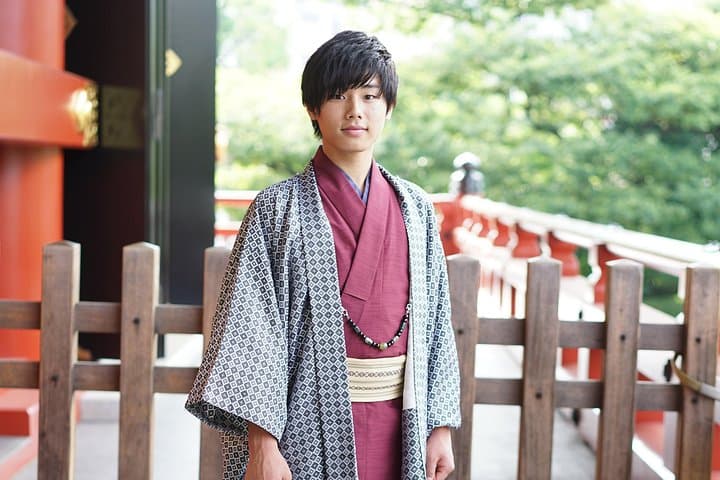
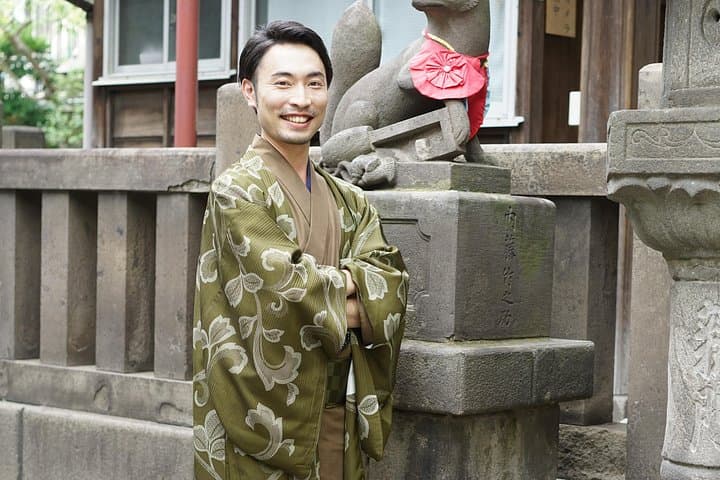
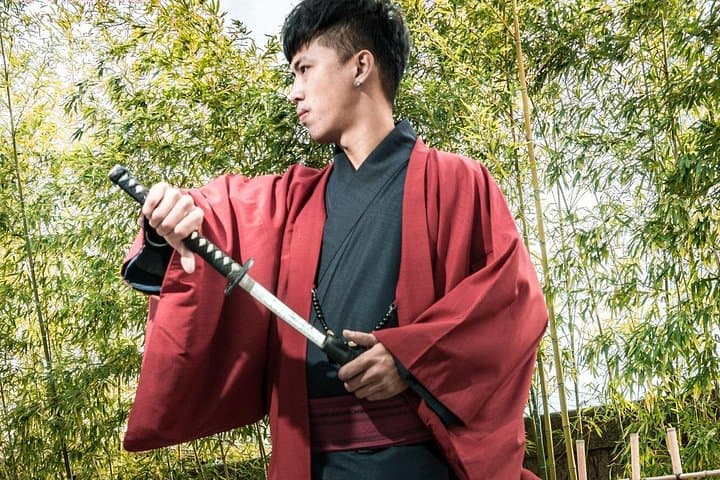
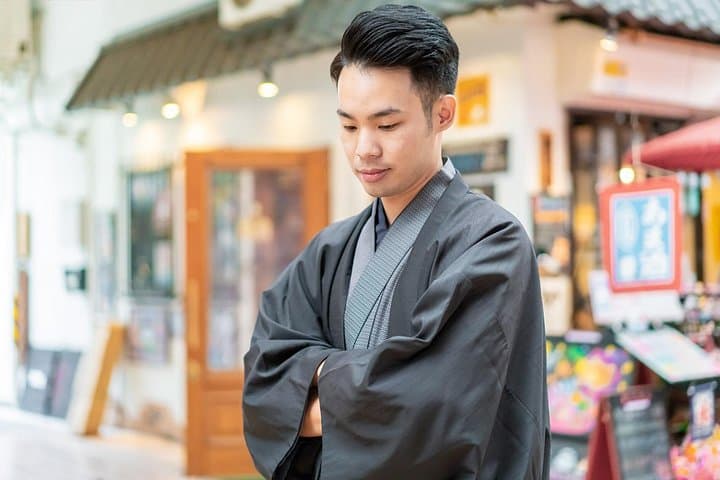
Asakusa has been a center of popular culture and pilgrimage for centuries; Sensoji is Tokyo’s oldest temple, and Nakamise Street has supplied pilgrims with snacks and souvenirs since the Edo era. The neighborhood sits on the low-lying alluvial plain fed by the Sumida River, which shaped its markets and festivals. Wearing a kimono here is both a cultural ritual and a photoshoot-ready moment: male styles lean toward understated colors and functional cuts, with options like small-crest kimonos, half-width obi, and traditional sandals.
The experience at Asakusa Aiwa Kimono includes professional dressing, basic rental items, and free luggage storage, and staff commonly speak English and Chinese. Practical tips: bring height and shoe-size info when you book, avoid heavy outerwear that complicates dressing, and plan morning hours for softer light and fewer crowds. Note accessibility accommodations, and that the two-hour window includes dressing and return; the shop asks customers with certain medical conditions to consult beforehand. For a compact cultural immersion in Tokyo, this is a hands-on way to wear history for a few hours and walk the streets Sensoji has watched for generations.
easy.
2 hours.
Suitable for all fitness levels; requires ability to stand for short periods and sit while being dressed.
The plan is scheduled for two hours total—enough time for selecting a kimono, professional dressing, a short walk, and returning to change back.
Yes, the shop offers free luggage storage while you wear the kimono so you can explore hands-free.
Staff members commonly speak English and Chinese and can assist with selection and dressing instructions.
Yes; experienced dressers handle the whole process and can recommend styles that match your comfort level and intended activity.
Sensoji dates back to the 7th century and Asakusa grew as an entertainment and market district during the Edo period, shaping the area's festival and craft traditions.
Local kimono shops emphasize garment care and reuse—rentals support traditional textile crafts while reducing the need for new clothing purchases.
着物レンタル 浅草愛和服 2号店 operates guided outdoor trips and adventures with an emphasis on safety, stewardship, and memorable experiences.
You step out of Asakusa Station into a corridor of lantern light and the steady shuffle of tourists and worshippers, the great red Kaminarimon looming like a gate guardian. Inside a compact shop minutes from Sensoji, experienced dressers fit a men's kimono with calm, precise movements — folding, tucking, knotting — until the silhouette feels right and the obi sits firm.
You step out of Asakusa Station into a corridor of lantern light and the steady shuffle of tourists and worshippers, the great red Kaminarimon looming like a gate guardian. Inside a compact shop minutes from Sensoji, experienced dressers fit a men's kimono with calm, precise movements — folding, tucking, knotting — until the silhouette feels right and the obi sits firm.
Asakusa has been a center of popular culture and pilgrimage for centuries; Sensoji is Tokyo’s oldest temple, and Nakamise Street has supplied pilgrims with snacks and souvenirs since the Edo era. The neighborhood sits on the low-lying alluvial plain fed by the Sumida River, which shaped its markets and festivals. Wearing a kimono here is both a cultural ritual and a photoshoot-ready moment: male styles lean toward understated colors and functional cuts, with options like small-crest kimonos, half-width obi, and traditional sandals.
The experience at Asakusa Aiwa Kimono includes professional dressing, basic rental items, and free luggage storage, and staff commonly speak English and Chinese. Practical tips: bring height and shoe-size info when you book, avoid heavy outerwear that complicates dressing, and plan morning hours for softer light and fewer crowds. Note accessibility accommodations, and that the two-hour window includes dressing and return; the shop asks customers with certain medical conditions to consult beforehand. For a compact cultural immersion in Tokyo, this is a hands-on way to wear history for a few hours and walk the streets Sensoji has watched for generations.