THE ADVENTURE COLLECTIVE® · Independent discovery and booking for outdoor travel

Dress in kimono or yukata and walk Asakusa’s streets with a guided dressing from WARGO. Fast, family-friendly, and fully customizable—perfect for photos and a cultural introduction to traditional Japanese dress.
Dress in kimono or yukata and walk Asakusa’s streets with a guided dressing from WARGO. Fast, family-friendly, and fully customizable—perfect for photos and a cultural introduction to traditional Japanese dress.
You step through Kaminarimon with fabric brushing your wrists and the smell of fried treats and incense in the air. The bright lantern at Senso-ji frames the street as WARGO staff tighten an obi; the city noise becomes a backdrop to the deliberate ritual of dressing. Families, couples, and solo travelers slip into patterned silk and cotton, then flow into narrow lanes where tourists and locals pass with equal curiosity.
Verified experiences and guided adventures in the surrounding area.
Operated by Kimono Rental Wargo · Asakusa, Tokyo
You step through Kaminarimon with fabric brushing your wrists and the smell of fried treats and incense in the air. The bright lantern at Senso-ji frames the street as WARGO staff tighten an obi; the city noise becomes a backdrop to the deliberate ritual of dressing. Families, couples, and solo travelers slip into patterned silk and cotton, then flow into narrow lanes where tourists and locals pass with equal curiosity.
Kimono evolved through the Edo period into the formal and casual garments you see here: yukata for hot-weather ease, formal kimono with layered undergarments, obi, tabi socks, and zori sandals. Asakusa’s low-rise wooden shops and market streets give context—this area was a merchant and entertainment quarter where traditional dress remained visible longer than in other parts of modern Tokyo.
Practical guidance is straightforward. Allow 45–60 minutes for dressing; plan shoes you can change into (zori aren’t ideal for long walks). Public transport is minutes away; WARGO stores accept walk-ins but reservations secure specific sizes and deluxe options like hairstyling. Note plus-size options and a next-day return on some plans.
Respectful behavior matters: careful movement on temple steps, permission before photographing strangers, and mindful street etiquette. For families, child-sized styles make photos and strolls easy. This experience is equal parts living history and urban theater—an accessible, photo-ready way to inhabit Japanese dress for a morning or a day and then return your outfit with memories and images to match.
easy.
1–8 hours.
Suitable for all fitness levels; requires only light walking while wearing traditional footwear.
Typical dressing takes 45–60 minutes; deluxe packages with hairstyling may add time—allow up to two hours if you choose extras.
Yes—WARGO offers plus-size kimono options so a wide range of body types can be accommodated.
Some plans offer next-day returns—confirm when booking or at pick-up, as delivery/return options can vary by store.
Basic hair sets are included with some deluxe plans; more elaborate styling and kanzashi hair ornaments are available at additional cost.
Asakusa grew as an Edo-period entertainment and merchant quarter; Senso-ji temple and its approach keep layers of Tokyo’s urban history visible while kimono follow centuries-old dress traditions.
Support local small businesses by returning garments on time, treating rented items carefully, and following signage at heritage sites to minimize wear on historic structures.
Kimono Rental Wargo operates guided outdoor trips and adventures with an emphasis on safety, stewardship, and memorable experiences.
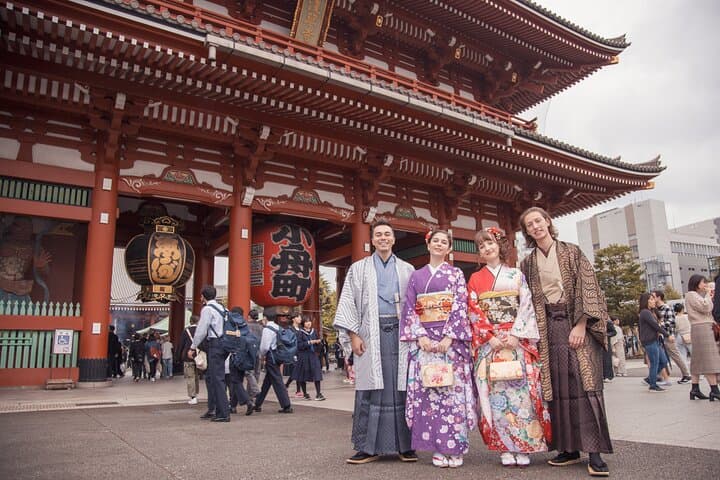
You step through Kaminarimon with fabric brushing your wrists and the smell of fried treats and incense in the air. The bright lantern at Senso-ji frames the street as WARGO staff tighten an obi; the city noise becomes a backdrop to the deliberate ritual of dressing. Families, couples, and solo travelers slip into patterned silk and cotton, then flow into narrow lanes where tourists and locals pass with equal curiosity.
You step through Kaminarimon with fabric brushing your wrists and the smell of fried treats and incense in the air. The bright lantern at Senso-ji frames the street as WARGO staff tighten an obi; the city noise becomes a backdrop to the deliberate ritual of dressing. Families, couples, and solo travelers slip into patterned silk and cotton, then flow into narrow lanes where tourists and locals pass with equal curiosity.
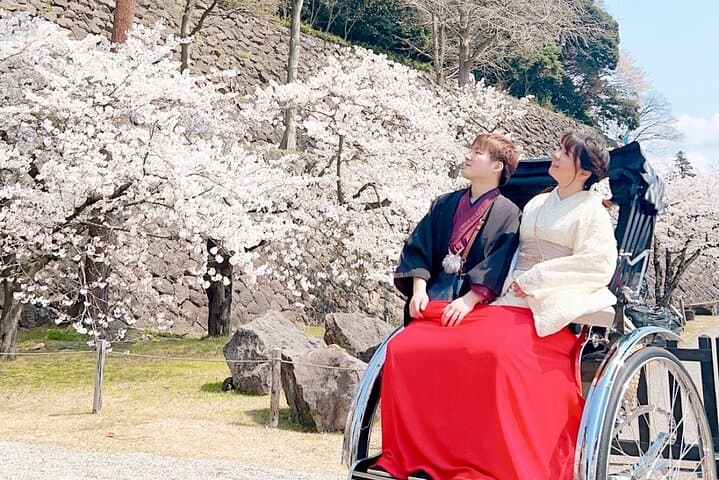
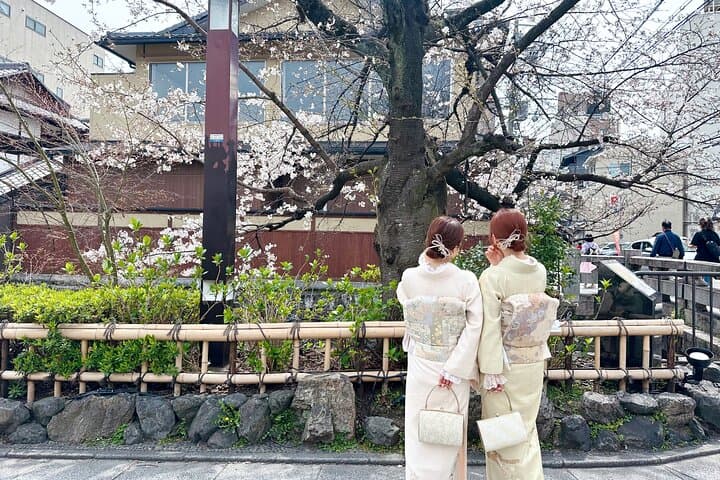
Kimono evolved through the Edo period into the formal and casual garments you see here: yukata for hot-weather ease, formal kimono with layered undergarments, obi, tabi socks, and zori sandals. Asakusa’s low-rise wooden shops and market streets give context—this area was a merchant and entertainment quarter where traditional dress remained visible longer than in other parts of modern Tokyo.
Practical guidance is straightforward. Allow 45–60 minutes for dressing; plan shoes you can change into (zori aren’t ideal for long walks). Public transport is minutes away; WARGO stores accept walk-ins but reservations secure specific sizes and deluxe options like hairstyling. Note plus-size options and a next-day return on some plans.
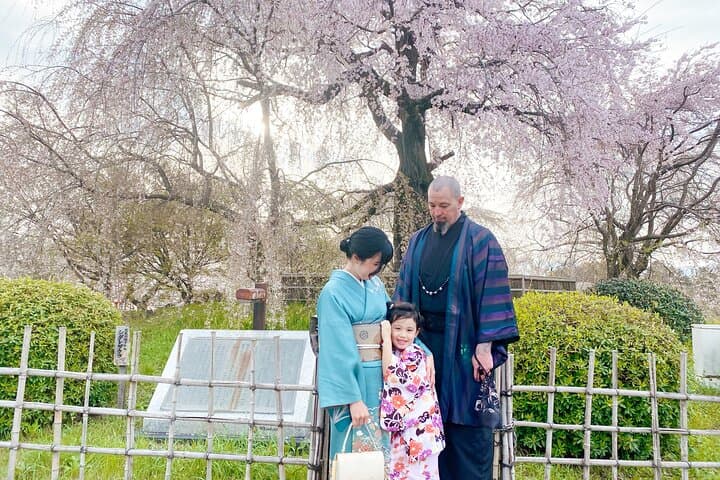
Respectful behavior matters: careful movement on temple steps, permission before photographing strangers, and mindful street etiquette. For families, child-sized styles make photos and strolls easy. This experience is equal parts living history and urban theater—an accessible, photo-ready way to inhabit Japanese dress for a morning or a day and then return your outfit with memories and images to match.