THE ADVENTURE COLLECTIVE® · Independent discovery and booking for outdoor travel

Transform an hour in Asakusa into a cultural portrait: kimono dressing, hair set for women, and photos by Senso-ji. Learn the timing, what to wear underneath, and how to return items without surprise fees.
Transform an hour in Asakusa into a cultural portrait: kimono dressing, hair set for women, and photos by Senso-ji. Learn the timing, what to wear underneath, and how to return items without surprise fees.
Step out of Asakusa Station and into a moment that feels paused between old streets and river breeze. Within a minute’s walk the rental studio wraps you in layered silk and crisp obi—threads that move with the same rhythm as the crowds along Nakamise-dori. The room buzzes with clippers and soft conversation as stylists pin and fold; within an hour you emerge camera-ready, sandals tapping against stone.
Verified experiences and guided adventures in the surrounding area.
Operated by 浅草桜永-ouei-日本文化体験サロン · Tokyo, Tokyo
Step out of Asakusa Station and into a moment that feels paused between old streets and river breeze. Within a minute’s walk the rental studio wraps you in layered silk and crisp obi—threads that move with the same rhythm as the crowds along Nakamise-dori. The room buzzes with clippers and soft conversation as stylists pin and fold; within an hour you emerge camera-ready, sandals tapping against stone.
Asakusa is one of Tokyo’s oldest entertainment and temple districts, anchored by Senso-ji, a wooden temple whose gates have seen Edo‑period processions and modern tourists alike. Wearing a kimono here connects you to centuries of Japanese dress etiquette—the cut, the obi knot, the understated choice of innerwear all carry cultural meaning. The neighborhood’s low-rise streets and nearby Sumida River create clean, photogenic lines that complement traditional silhouettes.
Practical guidance is straightforward: plan 60 minutes for dressing and styling; reception runs roughly 9:00–15:00, and all items must be returned by 17:30 (¥1,100 per hour late fee). Reservations require a minimum of two people—book early for peak times. Women’s packages include a hair set; children must be accompanied by an adult. In cold weather bring deep-collar innerwear and ankle-length bottoms so underlayers remain discreet and sandals are comfortable. Simple baggage fits in-store lockers, but avoid valuables.
For the best experience, aim for morning light along Nakamise, respect temple etiquette (bow, remove shoes where indicated), and treat the rented textiles carefully—repairs may be charged for stains or burns. This is a short cultural immersion: low exertion, high impact for photos and local insight.
easy.
1 hour.
Suitable for all fitness levels; this is a low-activity cultural experience.
Yes—reservations must be made for two people or more; book early because slots can fill, especially on weekends and during cherry blossom season.
Plan approximately 60 minutes from reception to departure, though busy periods may cause minor delays.
Women’s packages include a hair set; consult with the stylist on the day to choose a suitable style.
Late returns are charged ¥1,100 per hour; damage that cannot be cleaned or repaired will incur a repair fee as outlined by the shop.
Asakusa grew around Senso-ji, Tokyo’s oldest temple; the area served as an Edo-era entertainment district where traditional dress and festivals were visible daily.
Kimono rental promotes reuse of traditional garments, but treat textiles carefully—avoid food, ink, and cigarette exposure and follow store handling instructions to reduce waste and repair needs.
浅草桜永-ouei-日本文化体験サロン operates guided outdoor trips and adventures with an emphasis on safety, stewardship, and memorable experiences.
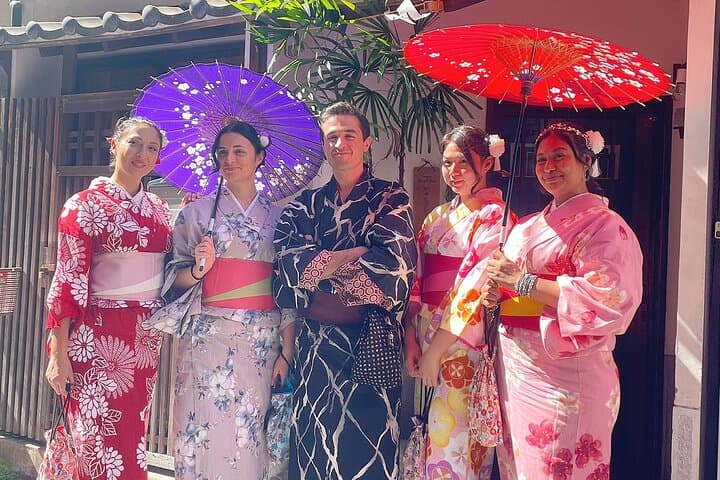
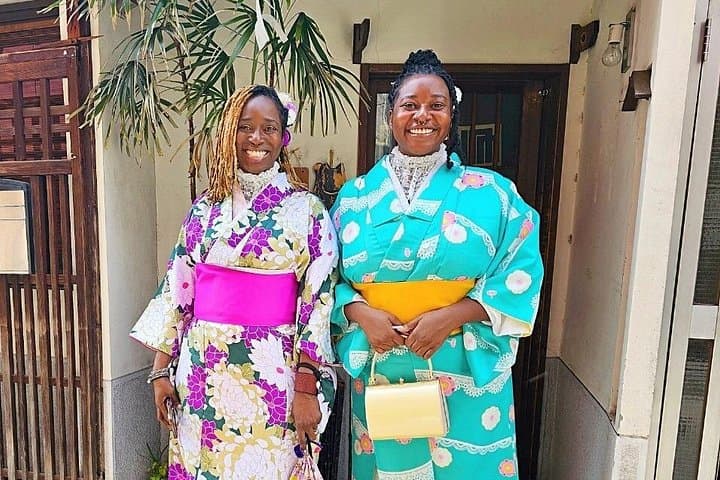
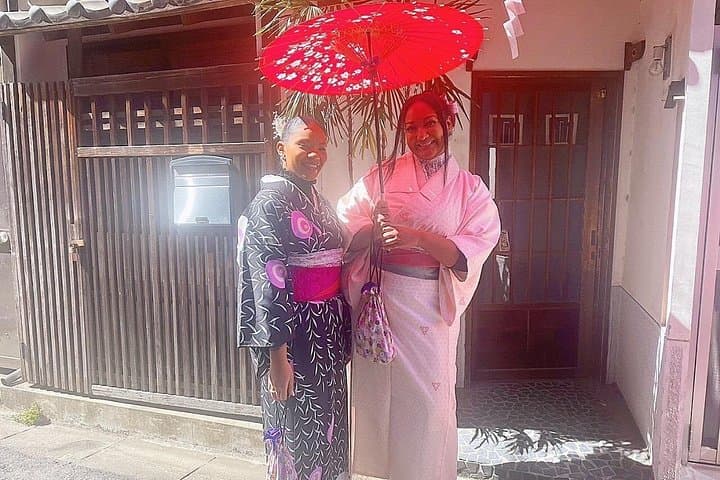
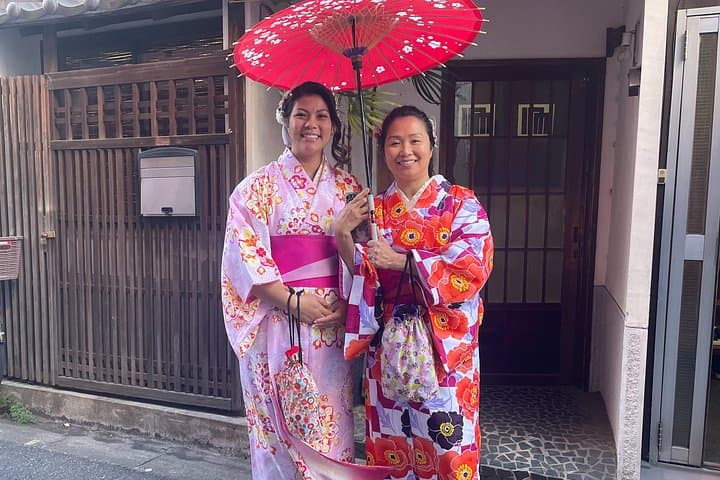
Step out of Asakusa Station and into a moment that feels paused between old streets and river breeze. Within a minute’s walk the rental studio wraps you in layered silk and crisp obi—threads that move with the same rhythm as the crowds along Nakamise-dori. The room buzzes with clippers and soft conversation as stylists pin and fold; within an hour you emerge camera-ready, sandals tapping against stone.
Step out of Asakusa Station and into a moment that feels paused between old streets and river breeze. Within a minute’s walk the rental studio wraps you in layered silk and crisp obi—threads that move with the same rhythm as the crowds along Nakamise-dori. The room buzzes with clippers and soft conversation as stylists pin and fold; within an hour you emerge camera-ready, sandals tapping against stone.
Asakusa is one of Tokyo’s oldest entertainment and temple districts, anchored by Senso-ji, a wooden temple whose gates have seen Edo‑period processions and modern tourists alike. Wearing a kimono here connects you to centuries of Japanese dress etiquette—the cut, the obi knot, the understated choice of innerwear all carry cultural meaning. The neighborhood’s low-rise streets and nearby Sumida River create clean, photogenic lines that complement traditional silhouettes.
Practical guidance is straightforward: plan 60 minutes for dressing and styling; reception runs roughly 9:00–15:00, and all items must be returned by 17:30 (¥1,100 per hour late fee). Reservations require a minimum of two people—book early for peak times. Women’s packages include a hair set; children must be accompanied by an adult. In cold weather bring deep-collar innerwear and ankle-length bottoms so underlayers remain discreet and sandals are comfortable. Simple baggage fits in-store lockers, but avoid valuables.
For the best experience, aim for morning light along Nakamise, respect temple etiquette (bow, remove shoes where indicated), and treat the rented textiles carefully—repairs may be charged for stains or burns. This is a short cultural immersion: low exertion, high impact for photos and local insight.