THE ADVENTURE COLLECTIVE® · Independent discovery and booking for outdoor travel

Step into old Tokyo with a kimono fitting, a one-hour rickshaw tour through Asakusa’s historic lanes, and a hands-on matcha tea ceremony. This 2–3 hour cultural loop mixes slow, sensory moments with concise local history — ideal for travelers who want a compact, authentic Tokyo experience.
Step into old Tokyo with a kimono fitting, a one-hour rickshaw tour through Asakusa’s historic lanes, and a hands-on matcha tea ceremony. This 2–3 hour cultural loop mixes slow, sensory moments with concise local history — ideal for travelers who want a compact, authentic Tokyo experience.
A wind from the Sumida slips through the Kaminarimon and the paper lantern sways as your rickshaw glides past narrow streets lined with wooden storefronts. The creak of the cart, the soft rustle of kimono fabric, and the distant clack of geta set a deliberate tempo — this is old Tokyo moving at walking speed.
Verified experiences and guided adventures in the surrounding area.
Operated by 一般社団日本の伝統文化おもてなし協会 · Tokyo, Tokyo
A wind from the Sumida slips through the Kaminarimon and the paper lantern sways as your rickshaw glides past narrow streets lined with wooden storefronts. The creak of the cart, the soft rustle of kimono fabric, and the distant clack of geta set a deliberate tempo — this is old Tokyo moving at walking speed.
Asakusa is part of Tokyo’s Shitamachi, an area that kept a merchant-class character through the Edo period. Senso‑ji Temple, founded in the 7th century, anchors the neighborhood; its crowded approach, Nakamise-dori, has been a trading lane for centuries. Geologically the area sits on the low alluvial plain beside the Sumida River, so streets are flat and easy to walk, and seasonal river views frame the tour.
The experience combines three tactile traditions: wearing a kimono, riding a two-person rickshaw with a bilingual guide, and sitting through a formal matcha tea ceremony in a long-established restaurant. Each element gives a different pace — dressing and photos, narrated city history, and the quiet, deliberate motions of tea preparation.
Practical guidance: the full sequence runs about 2–3 hours; plan shoes and modest underlayers for kimono dressing, carry small bills for shrine offerings or snacks, and reserve enough time to return the kimono by the scheduled end. The rickshaw route is customizable but compact — expect short transfers on foot between stops. Respect temple etiquette (no loud talking in inner precincts), ask your guide before photographing ceremonies, and bring a light jacket for evening breezes along the river.
easy.
2–3 hours.
Suitable for all fitness levels; requires short periods of standing and light walking between locations.
The rickshaw segment is about 60 minutes and can be routed through major sights around Asakusa according to your interests.
Yes — the rickshaw seats up to two passengers per cart; heavier luggage should be left at the shop or hotel.
Absolutely; the experience includes a demonstration and guided participation, appropriate for first-timers.
The activity is advertised as suitable for all fitness levels, but customers with limited mobility should inform the operator in advance so accommodations can be arranged.
Senso‑ji began as a small shrine in the 7th century and grew into Asakusa’s spiritual heart; Kaminarimon gate has been rebuilt several times, reflecting the area’s long merchant heritage.
Asakusa handles high visitor volume—stick to marked paths, avoid trip hazards at temple steps, and support small local businesses to keep traditional crafts viable.
一般社団日本の伝統文化おもてなし協会 operates guided outdoor trips and adventures with an emphasis on safety, stewardship, and memorable experiences.
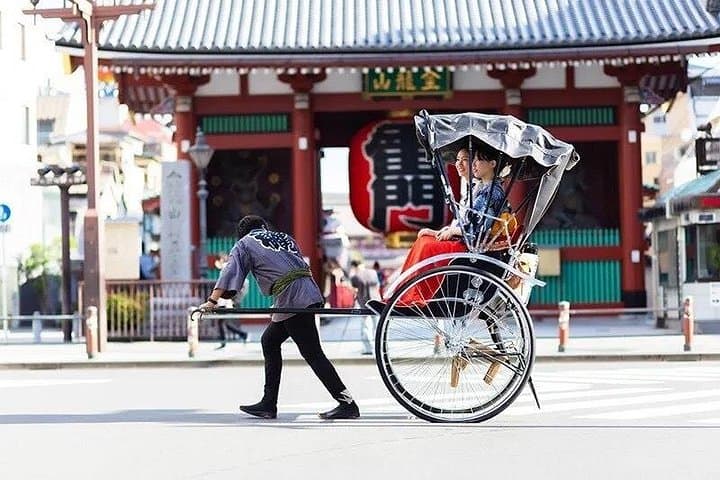
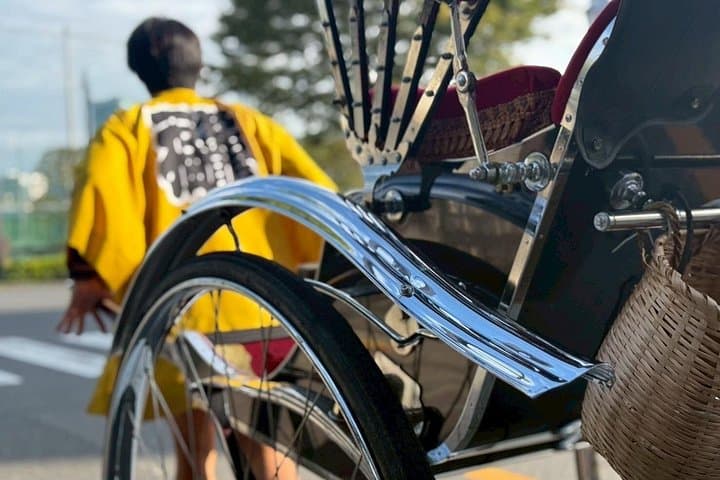
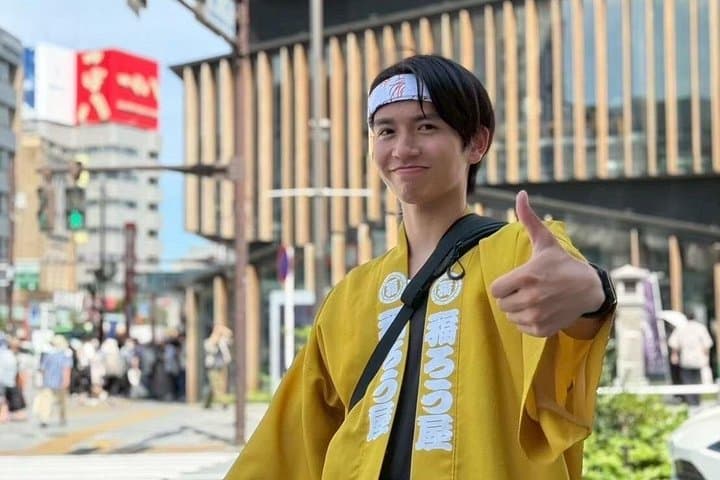
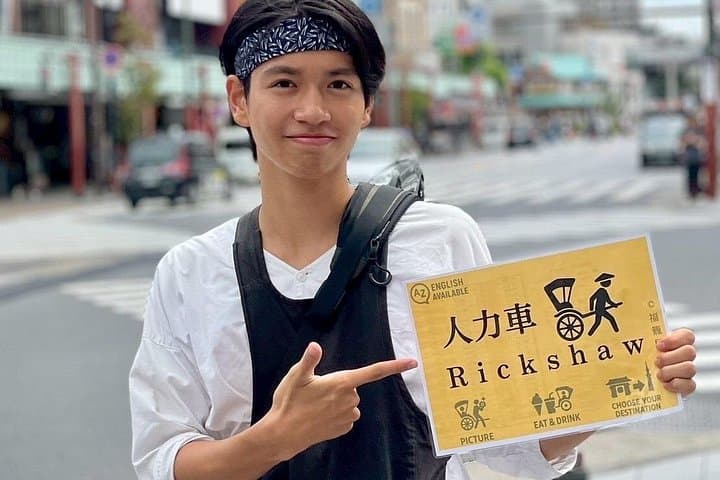
A wind from the Sumida slips through the Kaminarimon and the paper lantern sways as your rickshaw glides past narrow streets lined with wooden storefronts. The creak of the cart, the soft rustle of kimono fabric, and the distant clack of geta set a deliberate tempo — this is old Tokyo moving at walking speed.
A wind from the Sumida slips through the Kaminarimon and the paper lantern sways as your rickshaw glides past narrow streets lined with wooden storefronts. The creak of the cart, the soft rustle of kimono fabric, and the distant clack of geta set a deliberate tempo — this is old Tokyo moving at walking speed.
Asakusa is part of Tokyo’s Shitamachi, an area that kept a merchant-class character through the Edo period. Senso‑ji Temple, founded in the 7th century, anchors the neighborhood; its crowded approach, Nakamise-dori, has been a trading lane for centuries. Geologically the area sits on the low alluvial plain beside the Sumida River, so streets are flat and easy to walk, and seasonal river views frame the tour.
The experience combines three tactile traditions: wearing a kimono, riding a two-person rickshaw with a bilingual guide, and sitting through a formal matcha tea ceremony in a long-established restaurant. Each element gives a different pace — dressing and photos, narrated city history, and the quiet, deliberate motions of tea preparation.
Practical guidance: the full sequence runs about 2–3 hours; plan shoes and modest underlayers for kimono dressing, carry small bills for shrine offerings or snacks, and reserve enough time to return the kimono by the scheduled end. The rickshaw route is customizable but compact — expect short transfers on foot between stops. Respect temple etiquette (no loud talking in inner precincts), ask your guide before photographing ceremonies, and bring a light jacket for evening breezes along the river.