THE ADVENTURE COLLECTIVE® · Independent discovery and booking for outdoor travel

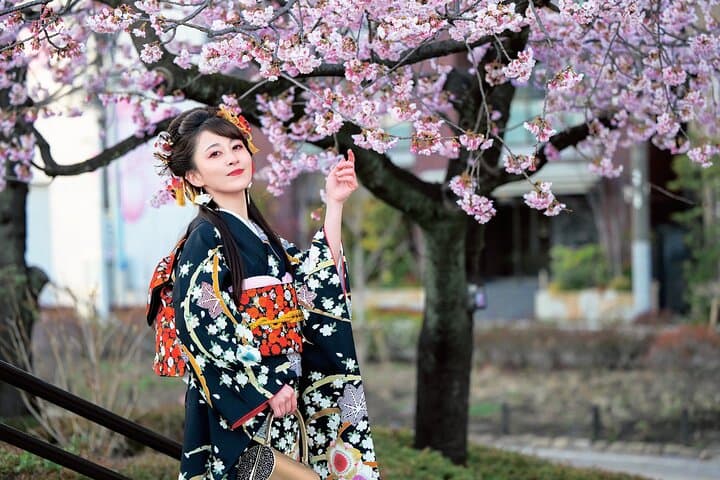
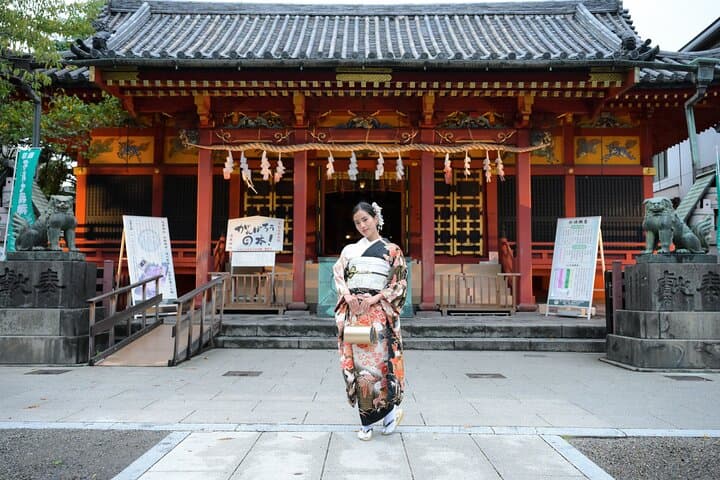
Dress in traditional kimono and stroll Asakusa’s historic streets while a professional photographer captures the moments. This private, two-hour experience pairs cultural insight with practical guidance for first-time wearers.
Dress in traditional kimono and stroll Asakusa’s historic streets while a professional photographer captures the moments. This private, two-hour experience pairs cultural insight with practical guidance for first-time wearers.
You step out of a narrow shop and the street exhales: paper lanterns swing, the pavement remembers festival footsteps, and the scent of roasted rice crackers tangles with lacquer-bright silk. Wearing a kimono here feels deliberate—the fabric holds you upright as the neighborhood pulls into focus: Sensō-ji’s gate ahead, the Sumida River daring you to cross its low bridges.
Verified experiences and guided adventures in the surrounding area.
Operated by 着物屋 美月 · Tokyo, Tokyo
You step out of a narrow shop and the street exhales: paper lanterns swing, the pavement remembers festival footsteps, and the scent of roasted rice crackers tangles with lacquer-bright silk. Wearing a kimono here feels deliberate—the fabric holds you upright as the neighborhood pulls into focus: Sensō-ji’s gate ahead, the Sumida River daring you to cross its low bridges.
Asakusa is one of Tokyo’s oldest entertainment districts; its lanes grew around Sensō-ji in the 7th century and later hosted kabuki theatres and merchant stalls. The kimono itself carries histories of form and rank: furisode for formal celebration, yukata for warm evenings, homongi for social visits. The neighborhood’s low-rise streets and tiled roofs keep a pre-war scale that complements traditional dress, while Kappabashi’s kitchen shops and Hanayashiki amusement park add local color.
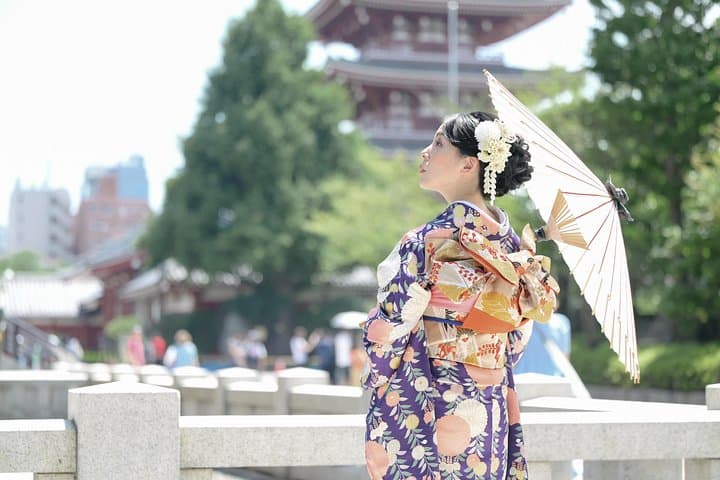
This private photoshoot is practical: allot two hours to dress, hair styling (often included), and a guided stroll. Morning light and weekdays give cleaner backgrounds; festivals flood the area with color but complicate shots. Expect uneven stonewalks—wear shoes you can change into—and plan for public transit access (Asakusa Station is steps away). Photographers can frame you against pagoda silhouettes, market alleys, or river views; language varies, so bring reference images.
Book at least a day ahead, bring modest cash for small rentals or shrine offerings, and allow extra time if you want a photographer to tag along. Treat kimono and obi with the same care you’d give a borrowed instrument: lift with intention, move slowly, and the city will return the favor with unforgettable photos.
easy.
2 hours.
Suitable for all fitness levels; requires standing and light walking on uneven pavement.
Yes—most studios offer a range from casual yukata to formal furisode and homongi; staff will help fit and adjust the obi for your size.
A photographer is an optional add-on; confirm when booking if you want them to accompany you for street shots rather than studio-only portraits.
Children can participate and infant seats are available, but policies vary—confirm ages and any extra fees when you book.
Cancel at least 24 hours before the scheduled time for a full refund; bookings usually accept mobile tickets and one booking covers one party.
Asakusa grew around Sensō-ji, Tokyo’s oldest Buddhist temple (dating to the 7th century), and later became a center for entertainment and merchant culture in Edo-period Tokyo.
Choose studios that launder and store kimono responsibly; avoid single-use props and support small, local rental shops to keep the craft economically viable.
着物屋 美月 operates guided outdoor trips and adventures with an emphasis on safety, stewardship, and memorable experiences.
You step out of a narrow shop and the street exhales: paper lanterns swing, the pavement remembers festival footsteps, and the scent of roasted rice crackers tangles with lacquer-bright silk. Wearing a kimono here feels deliberate—the fabric holds you upright as the neighborhood pulls into focus: Sensō-ji’s gate ahead, the Sumida River daring you to cross its low bridges.
You step out of a narrow shop and the street exhales: paper lanterns swing, the pavement remembers festival footsteps, and the scent of roasted rice crackers tangles with lacquer-bright silk. Wearing a kimono here feels deliberate—the fabric holds you upright as the neighborhood pulls into focus: Sensō-ji’s gate ahead, the Sumida River daring you to cross its low bridges.
Asakusa is one of Tokyo’s oldest entertainment districts; its lanes grew around Sensō-ji in the 7th century and later hosted kabuki theatres and merchant stalls. The kimono itself carries histories of form and rank: furisode for formal celebration, yukata for warm evenings, homongi for social visits. The neighborhood’s low-rise streets and tiled roofs keep a pre-war scale that complements traditional dress, while Kappabashi’s kitchen shops and Hanayashiki amusement park add local color.
This private photoshoot is practical: allot two hours to dress, hair styling (often included), and a guided stroll. Morning light and weekdays give cleaner backgrounds; festivals flood the area with color but complicate shots. Expect uneven stonewalks—wear shoes you can change into—and plan for public transit access (Asakusa Station is steps away). Photographers can frame you against pagoda silhouettes, market alleys, or river views; language varies, so bring reference images.
Book at least a day ahead, bring modest cash for small rentals or shrine offerings, and allow extra time if you want a photographer to tag along. Treat kimono and obi with the same care you’d give a borrowed instrument: lift with intention, move slowly, and the city will return the favor with unforgettable photos.