THE ADVENTURE COLLECTIVE® · Independent discovery and booking for outdoor travel

Dress in an authentic kimono and wander Asakusa’s stone streets to Senso‑ji Temple with a local dresser and photographer. Add tea ceremony, calligraphy or a rickshaw for a richer cultural portrait of old Tokyo.
Dress in an authentic kimono and wander Asakusa’s stone streets to Senso‑ji Temple with a local dresser and photographer. Add tea ceremony, calligraphy or a rickshaw for a richer cultural portrait of old Tokyo.
You step out of the narrow shop onto a street that still remembers wooden storefronts and rickshaw tracks. The kimono's silk whispers as you walk past the red paper lantern of Kaminarimon and down Nakamise-dori, camera in hand, the city’s hum softened by the slow rhythm of traditional dress.
Verified experiences and guided adventures in the surrounding area.
You step out of the narrow shop onto a street that still remembers wooden storefronts and rickshaw tracks. The kimono's silk whispers as you walk past the red paper lantern of Kaminarimon and down Nakamise-dori, camera in hand, the city’s hum softened by the slow rhythm of traditional dress.
Asakusa was Tokyo before Tokyo sprawled—Senso-ji traces back to the early 7th century when two fishermen found a Kannon statue. The neighborhood’s geology is flat river plain beside the Sumida; its streets reflect Edo-period commerce and later show the city’s reconstruction after wartime damage. Local craftspeople keep obi-tying and geta-wearing alive, while tea ceremony and calligraphy services connect you to rituals preserved through centuries.
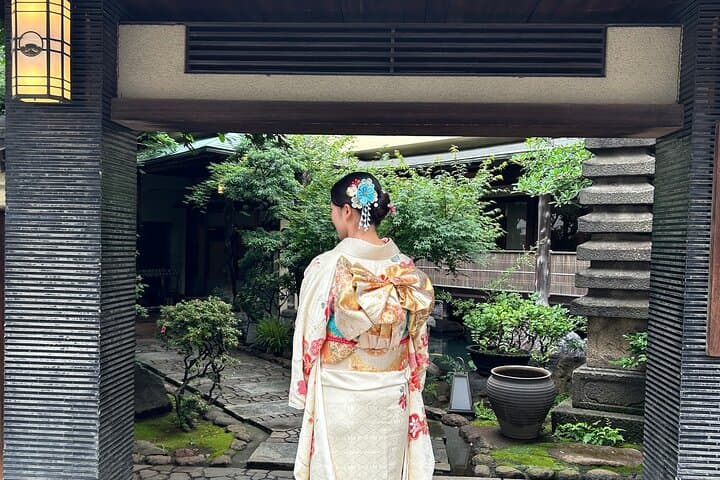
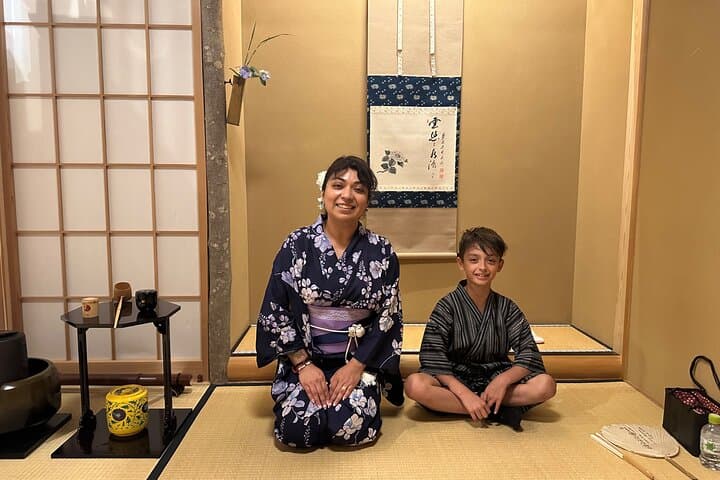
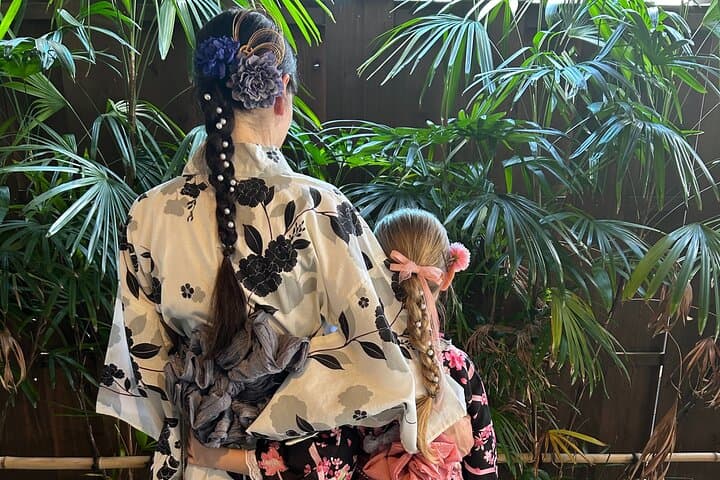
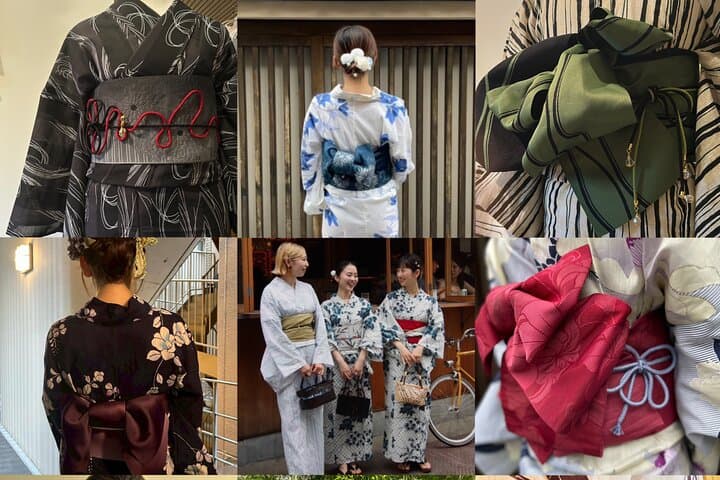
Expect a hands-on, low-impact cultural stroll: professional staff help you into a full kimono set (obi, zori, bag), then guide photos at the temple and on stone-paved lanes. Optional add-ons—tea ceremony, calligraphy, a rickshaw—add depth and variety. Stone steps and gentle slopes are common; modest walking is required.
Practical advice: allow time for dressing and photos, carry minimal gear so the kimono fits comfortably, and bring cash for optional upgrades. Visit early morning or late afternoon to avoid crowds and to use soft light for portraits. Respect temple etiquette—quiet, modest poses, and removing shoes where required. This is less an adrenaline route than a paced cultural immersion: sensory, deliberate, and picture-rich.
easy.
Up to 24 hours (typical rental 4–8 hours).
Suitable for all fitness levels; requires short periods of walking on stone paths and gentle slopes
Yes—staff provide full dressing assistance and basic instruction so even beginners can wear a kimono comfortably.
Listings indicate a full-day option; typical guests keep the kimono for several hours to take photos and explore nearby sites—confirm with the provider at booking.
Stores usually offer guidance; guests with mobility needs should bring an assistant and inform the provider ahead of time.
Kimono rentals typically proceed in light rain; bring an umbrella and check with the shop about refunds or rescheduling for severe weather.
Senso-ji is Tokyo’s oldest temple, founded in the early 7th century; Asakusa later became a thriving Edo-period entertainment district.
Follow temple rules, avoid stepping on moss or sacred spaces, and support local craftsmen by treating garments and props respectfully.
Wako operates guided outdoor trips and adventures with an emphasis on safety, stewardship, and memorable experiences.
You step out of the narrow shop onto a street that still remembers wooden storefronts and rickshaw tracks. The kimono's silk whispers as you walk past the red paper lantern of Kaminarimon and down Nakamise-dori, camera in hand, the city’s hum softened by the slow rhythm of traditional dress.
You step out of the narrow shop onto a street that still remembers wooden storefronts and rickshaw tracks. The kimono's silk whispers as you walk past the red paper lantern of Kaminarimon and down Nakamise-dori, camera in hand, the city’s hum softened by the slow rhythm of traditional dress.
Asakusa was Tokyo before Tokyo sprawled—Senso-ji traces back to the early 7th century when two fishermen found a Kannon statue. The neighborhood’s geology is flat river plain beside the Sumida; its streets reflect Edo-period commerce and later show the city’s reconstruction after wartime damage. Local craftspeople keep obi-tying and geta-wearing alive, while tea ceremony and calligraphy services connect you to rituals preserved through centuries.
Expect a hands-on, low-impact cultural stroll: professional staff help you into a full kimono set (obi, zori, bag), then guide photos at the temple and on stone-paved lanes. Optional add-ons—tea ceremony, calligraphy, a rickshaw—add depth and variety. Stone steps and gentle slopes are common; modest walking is required.
Practical advice: allow time for dressing and photos, carry minimal gear so the kimono fits comfortably, and bring cash for optional upgrades. Visit early morning or late afternoon to avoid crowds and to use soft light for portraits. Respect temple etiquette—quiet, modest poses, and removing shoes where required. This is less an adrenaline route than a paced cultural immersion: sensory, deliberate, and picture-rich.