THE ADVENTURE COLLECTIVE® · Independent discovery and booking for outdoor travel

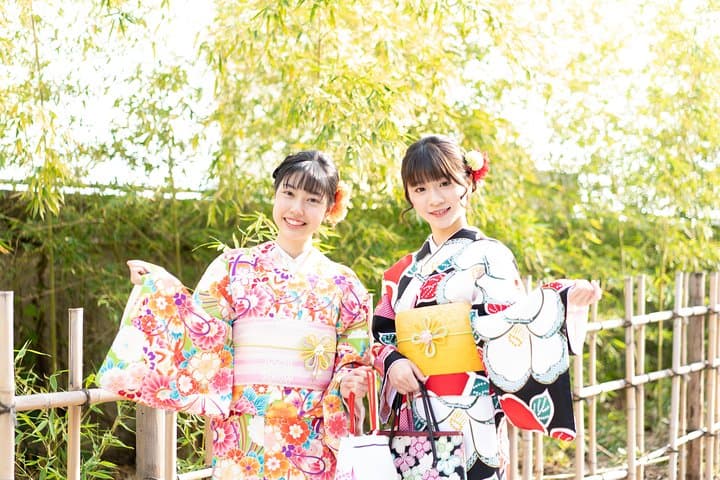
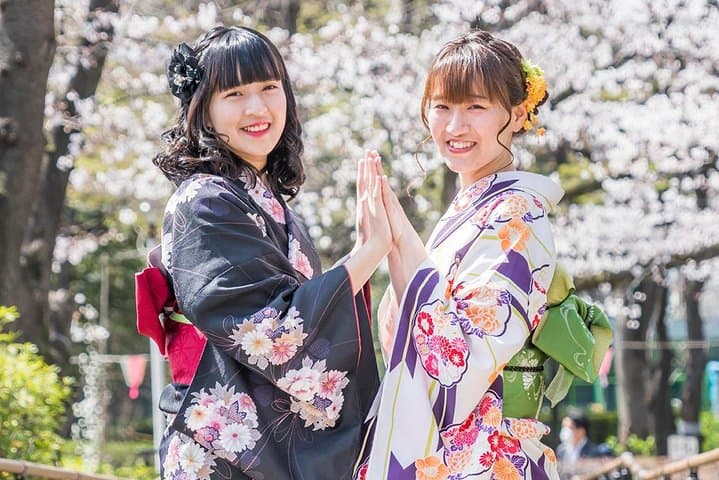
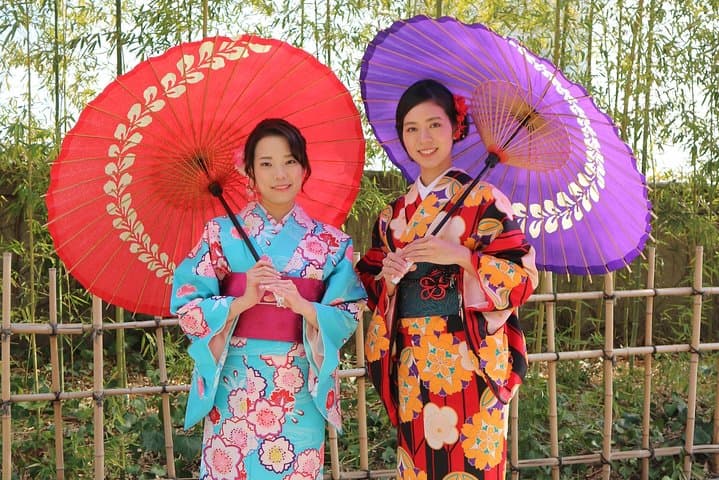
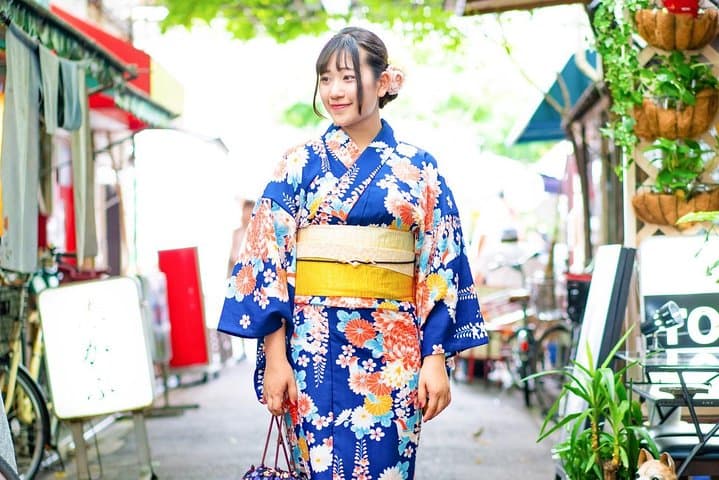
Transform into kimono-clad Tokyo for a two-hour dressing and stroll around Sensoji Temple. Professional dressers, hair sets, and free storage make this an efficient cultural immersion for photos, shrine visits, and wandering Nakamise Street.
Transform into kimono-clad Tokyo for a two-hour dressing and stroll around Sensoji Temple. Professional dressers, hair sets, and free storage make this an efficient cultural immersion for photos, shrine visits, and wandering Nakamise Street.
A bell from Kaminarimon punctuates the morning air as you step from Asakusa Station into a stream of paper lantern light and the crackle of vendors on Nakamise Street.
Verified experiences and guided adventures in the surrounding area.
Operated by 着物レンタル 浅草愛和服 2号店 · Asakusa, Tokyo
A bell from Kaminarimon punctuates the morning air as you step from Asakusa Station into a stream of paper lantern light and the crackle of vendors on Nakamise Street.
Inside a compact dressing room minutes from Sensoji Temple, staff usher you through a ritual of fabric and fastenings: choosing a pattern, wrapping the obi, and smoothing collars until lines sit clean. Hairdressers add kanzashi and subtle lifts, and the city outside reorients—the busy streets become a stage for the kimono’s quiet geometry.
Sensoji traces back to the 7th century; Nakamise grew as an Edo-period shopping approach, so wearing traditional dress here connects directly to Tokyo’s layered urban history. The kimonos at Asakusa Aiwa draw on cotton, silk and modern blends—practical choices that reflect postwar textile shifts and contemporary rental culture.
Expect an efficient, photographed experience: about two hours from arrival to return, professional dressers who speak English and Chinese, and included sandals, bag and luggage storage. Mobility is limited in tightly tied obi; avoid long drives or plans requiring heavy lifting immediately after. Early mornings give the best photos with fewer crowds; summer offers lightweight yukata options, while cooler months require thermals underlayers.
Practical notes: wear easy-to-remove clothing for quick changing, keep a small crossbody for essentials (wallet, phone), and plan routes—Sensoji, Sumida Park, and the Asakusa Culture Center are within easy walking distance.
This is a cultural, low-impact way to step into Tokyo’s past while supporting local artisans; be mindful of shrine etiquette, keep movements graceful, and let the streets of Asakusa do the rest.
easy.
2 hours.
Suitable for all fitness levels; requires basic mobility for walking and standing during the session.
No — the rental includes kimono or yukata, sandals, bag, socks, and accessories; hair sets are provided by professional stylists.
The full experience is approximately two hours, including selection, dressing, hair set, time for photos, and return to the shop to change back.
Yes — the shop carries a wide range of sizes and the staff can assist in English and Chinese to help choose and fit garments.
The service is not recommended for guests with serious spinal injuries, pregnancy, or unstable heart conditions due to the tight fit of some obi styles.
Sensoji dates to the 7th century and Nakamise Street developed as an Edo-period approach filled with merchants servicing pilgrims.
Favor rental kimono services that use durable, washable fabrics and support local shops; avoid crowding shrine spaces and follow posted rules to minimize wear on historic sites.
着物レンタル 浅草愛和服 2号店 operates guided outdoor trips and adventures with an emphasis on safety, stewardship, and memorable experiences.
A bell from Kaminarimon punctuates the morning air as you step from Asakusa Station into a stream of paper lantern light and the crackle of vendors on Nakamise Street.
A bell from Kaminarimon punctuates the morning air as you step from Asakusa Station into a stream of paper lantern light and the crackle of vendors on Nakamise Street.
Inside a compact dressing room minutes from Sensoji Temple, staff usher you through a ritual of fabric and fastenings: choosing a pattern, wrapping the obi, and smoothing collars until lines sit clean. Hairdressers add kanzashi and subtle lifts, and the city outside reorients—the busy streets become a stage for the kimono’s quiet geometry.
Sensoji traces back to the 7th century; Nakamise grew as an Edo-period shopping approach, so wearing traditional dress here connects directly to Tokyo’s layered urban history. The kimonos at Asakusa Aiwa draw on cotton, silk and modern blends—practical choices that reflect postwar textile shifts and contemporary rental culture.
Expect an efficient, photographed experience: about two hours from arrival to return, professional dressers who speak English and Chinese, and included sandals, bag and luggage storage. Mobility is limited in tightly tied obi; avoid long drives or plans requiring heavy lifting immediately after. Early mornings give the best photos with fewer crowds; summer offers lightweight yukata options, while cooler months require thermals underlayers.
Practical notes: wear easy-to-remove clothing for quick changing, keep a small crossbody for essentials (wallet, phone), and plan routes—Sensoji, Sumida Park, and the Asakusa Culture Center are within easy walking distance.
This is a cultural, low-impact way to step into Tokyo’s past while supporting local artisans; be mindful of shrine etiquette, keep movements graceful, and let the streets of Asakusa do the rest.