THE ADVENTURE COLLECTIVE® · Independent discovery and booking for outdoor travel

Explore Asakusa at your own pace on a self-guided e-bike loop: historic shrines, narrow merchant streets, and riverfront views packed into a flexible 3-hour route. Ideal for riders wanting an urban outing with minimal strain and maximum discovery.
Explore Asakusa at your own pace on a self-guided e-bike loop: historic shrines, narrow merchant streets, and riverfront views packed into a flexible 3-hour route. Ideal for riders wanting an urban outing with minimal strain and maximum discovery.
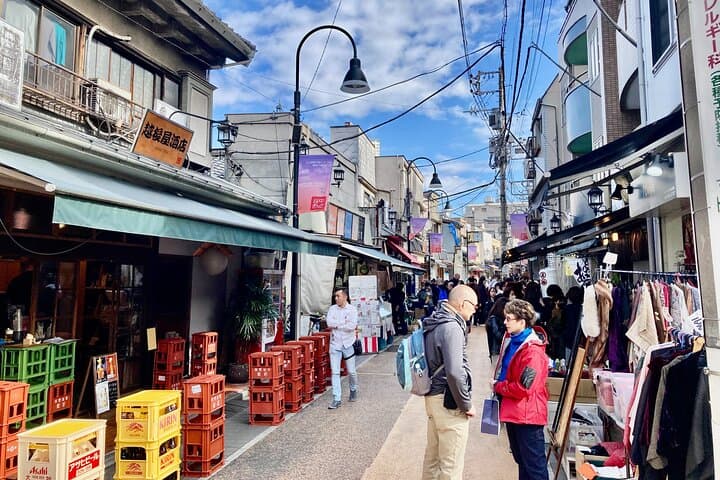
You set off from a quiet side street in Asakusa, the hum of an electric motor a soft companion as wooden shopfronts and lantern-lit gateways slide past. In three hours you can move at your own rhythm — pausing for Senso-ji’s thunderous thunder gate, threading narrow alleys lined with old shops, then gliding down to the Sumida River where barges and cranes mark the city’s relationship with water and trade.
Verified experiences and guided adventures in the surrounding area.
Operated by シタマチストリート · Tokyo, Tokyo
You set off from a quiet side street in Asakusa, the hum of an electric motor a soft companion as wooden shopfronts and lantern-lit gateways slide past. In three hours you can move at your own rhythm — pausing for Senso-ji’s thunderous thunder gate, threading narrow alleys lined with old shops, then gliding down to the Sumida River where barges and cranes mark the city’s relationship with water and trade.
Asakusa grew into prominence during the Edo era as an entertainment and market district; the geology here is flat Kanto Plain sediment, so expect no serious climbs, only a city built on layered river deposits and modern paving. Culture is on every corner: shrine rituals, festival banners (Sanja Matsuri still shapes local calendars), and long-running craft shops. The e-bike changes the pace, letting you sample ramen, browse Kappabashi’s kitchen-supply rows, and still make distance without sweat.
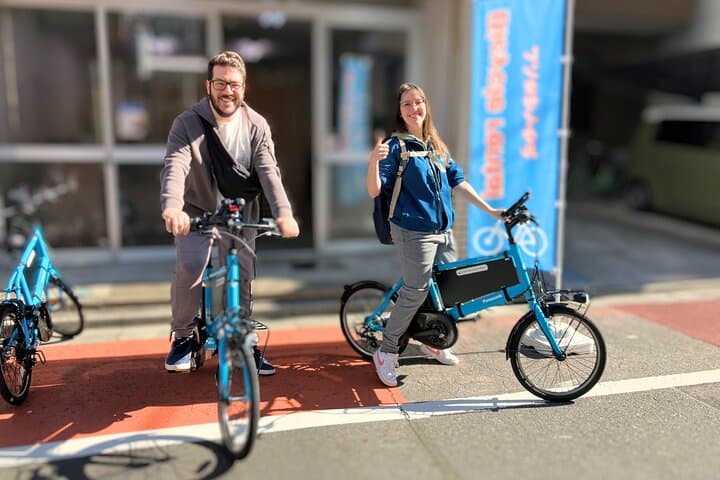
Practical note: this is self-guided. The operator supplies an e-bike, helmet, a sightseeing map and a card with local traffic rules — you’ll follow public roads and mixed-use paths. Plan a roughly 8–12 km loop depending on stops, allow time for photos and food, and avoid weekday rush hours if you prefer calmer streets. Carry a charged phone, small lock, modest cash for tiny vendors, and a lightweight layer for coastal breezes along the river. The experience rewards slow curiosity — ride deliberately and let Tokyo’s layers reveal themselves between pedal strokes.
easy.
2–3 hours.
Suitable for most fitness levels; e-bike assistance handles hills and keeps exertion low.
No — this is a self-guided e-bike rental with a provided sightseeing map and a card covering local traffic rules.
Yes — e-bike rental and helmet are included with the booking; height requirement is typically 145 cm or taller.
No — e-bikes are user-friendly and suitable for beginners; basic bike-handling comfort is helpful in busy streets.
A sightseeing map and traffic-rules card are provided; check the operator’s product page for available language versions if you need materials in a specific language.
Asakusa rose to prominence during the Edo period as a center for commerce and entertainment; Senso-ji has anchored religious life here for centuries.
Ride responsibly on public roads, avoid littering, and support small local shops—low-impact tourism helps preserve narrow historic streets and local businesses.
シタマチストリート operates guided outdoor trips and adventures with an emphasis on safety, stewardship, and memorable experiences.

You set off from a quiet side street in Asakusa, the hum of an electric motor a soft companion as wooden shopfronts and lantern-lit gateways slide past. In three hours you can move at your own rhythm — pausing for Senso-ji’s thunderous thunder gate, threading narrow alleys lined with old shops, then gliding down to the Sumida River where barges and cranes mark the city’s relationship with water and trade.
You set off from a quiet side street in Asakusa, the hum of an electric motor a soft companion as wooden shopfronts and lantern-lit gateways slide past. In three hours you can move at your own rhythm — pausing for Senso-ji’s thunderous thunder gate, threading narrow alleys lined with old shops, then gliding down to the Sumida River where barges and cranes mark the city’s relationship with water and trade.
Asakusa grew into prominence during the Edo era as an entertainment and market district; the geology here is flat Kanto Plain sediment, so expect no serious climbs, only a city built on layered river deposits and modern paving. Culture is on every corner: shrine rituals, festival banners (Sanja Matsuri still shapes local calendars), and long-running craft shops. The e-bike changes the pace, letting you sample ramen, browse Kappabashi’s kitchen-supply rows, and still make distance without sweat.
Practical note: this is self-guided. The operator supplies an e-bike, helmet, a sightseeing map and a card with local traffic rules — you’ll follow public roads and mixed-use paths. Plan a roughly 8–12 km loop depending on stops, allow time for photos and food, and avoid weekday rush hours if you prefer calmer streets. Carry a charged phone, small lock, modest cash for tiny vendors, and a lightweight layer for coastal breezes along the river. The experience rewards slow curiosity — ride deliberately and let Tokyo’s layers reveal themselves between pedal strokes.