THE ADVENTURE COLLECTIVE® · Independent discovery and booking for outdoor travel

Explore As‑Salt’s honey‑stone streets on a private guided walk from the Dead Sea. Visit Ottoman mansions, shared mosques and churches, and local markets while learning how centuries of history shaped this hill town.
Explore As‑Salt’s honey‑stone streets on a private guided walk from the Dead Sea. Visit Ottoman mansions, shared mosques and churches, and local markets while learning how centuries of history shaped this hill town.
You step out of the air‑conditioned transfer and onto a limestone stair, the town rising in layered terraces above a wash of olive‑green hills. As‑Salt’s streets press close; honey‑colored Ottoman facades lean toward each other and the calls of daily life—vendors, children, prayer—fill the air.
Verified experiences and guided adventures in the surrounding area.
Operated by Zaid Tours and Travel · As-Salt, Balqa Governorate
You step out of the air‑conditioned transfer and onto a limestone stair, the town rising in layered terraces above a wash of olive‑green hills. As‑Salt’s streets press close; honey‑colored Ottoman facades lean toward each other and the calls of daily life—vendors, children, prayer—fill the air.
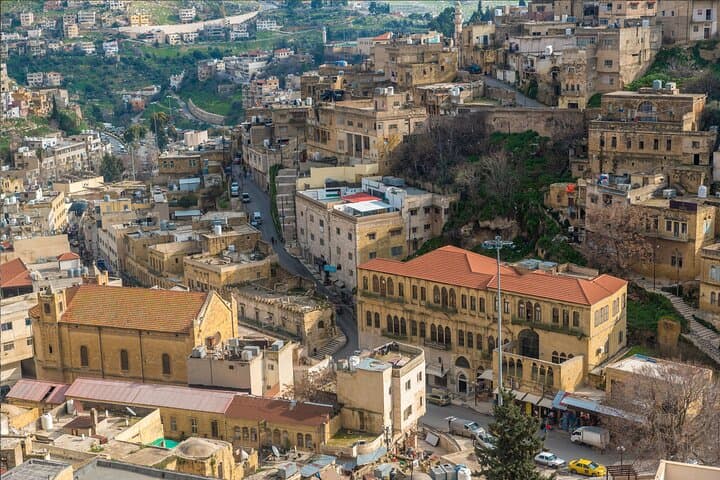
This guided Harmony Trail threads through a town once ruled by Romans and Byzantines and reborn during an Ottoman heyday in the late 19th century. The architecture tells that story: Abu Jaber House turned museum, the English Complex from 1849 that housed a school and early hospital, and the interlaced mosques and churches that reflect a long local practice of interfaith life. Geologically, the town sits on chalky limestone ridges that form narrow alleys and sunbaked public squares; the rock keeps buildings bright and the streets steep.
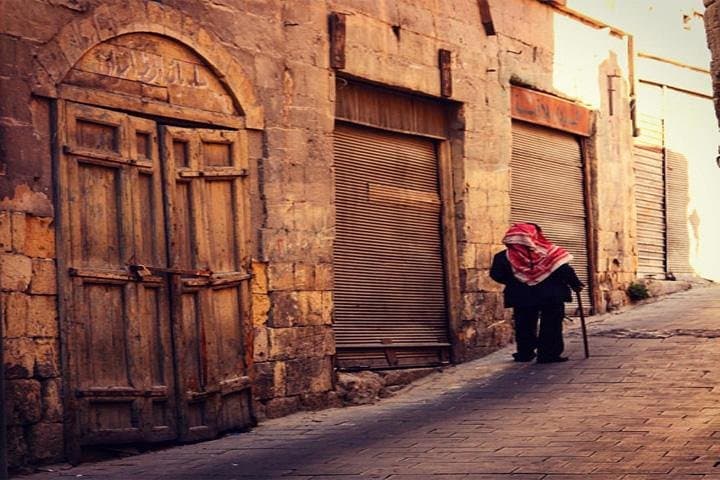
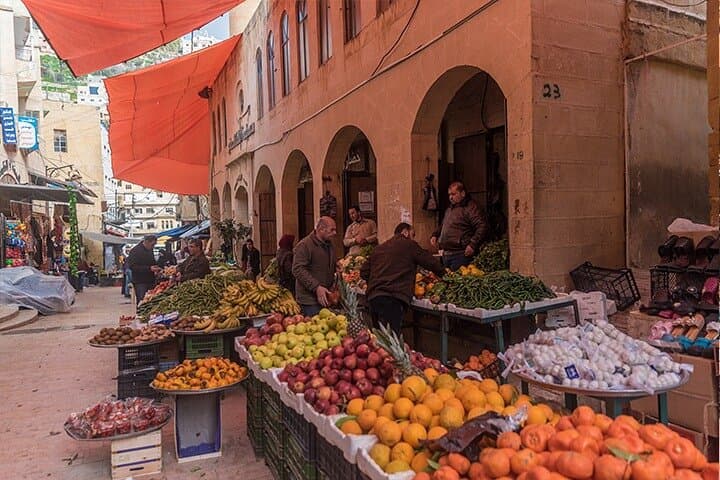
Expect 4–6 hours of mostly paved walking with frequent stairs, pauses at landmarks, and time in markets. Your guide points out carved inscriptions, community‑built mosques, and the small mosque of 1905—details that map social history as much as stone.
Practical notes: wear comfortable walking shoes for cobbled alleys and steep steps, carry 1–1.5 L water in summer, and dress modestly for religious sites (shoulders and knees covered). Morning departures avoid the midday heat; bring small bills for souvenirs and an appetite if you choose the optional home‑cooked lunch. The tour is private and accessible with advance notice—contact the operator for mobility accommodations.
easy.
6 hours.
Light walking fitness; able to manage multiple short stair sections and uneven pavements
Yes—hotel pickup and drop‑off from Dead Sea hotels is included; confirm exact pickup time and location when you book.
Entrance fees listed in the tour inclusions are covered; optional extras like home‑cooked lunches are paid locally if chosen.
The standard tour is conducted in English; other languages can be requested in advance and may incur additional charges.
The town's steep streets and stairs make full accessibility limited—contact the operator before booking to arrange adapted pickup and a tailored route.
As‑Salt grew under Roman and Byzantine rule and flourished as an Ottoman trade and administrative center in the late 19th and early 20th centuries, shaping its civic architecture and mixed‑faith neighborhoods.
Local preservation projects focus on restoring Ottoman mansions and supporting community‑run museums; visitors should minimize waste and avoid disturbing historic fabric.
Zaid Tours and Travel operates guided outdoor trips and adventures with an emphasis on safety, stewardship, and memorable experiences.
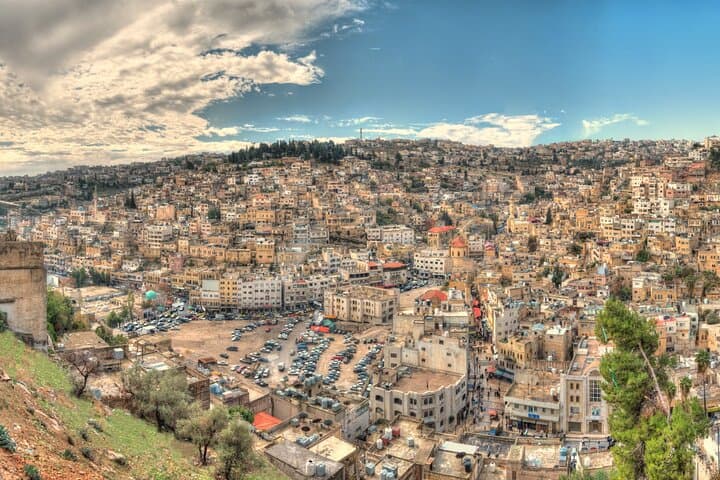
You step out of the air‑conditioned transfer and onto a limestone stair, the town rising in layered terraces above a wash of olive‑green hills. As‑Salt’s streets press close; honey‑colored Ottoman facades lean toward each other and the calls of daily life—vendors, children, prayer—fill the air.
You step out of the air‑conditioned transfer and onto a limestone stair, the town rising in layered terraces above a wash of olive‑green hills. As‑Salt’s streets press close; honey‑colored Ottoman facades lean toward each other and the calls of daily life—vendors, children, prayer—fill the air.
This guided Harmony Trail threads through a town once ruled by Romans and Byzantines and reborn during an Ottoman heyday in the late 19th century. The architecture tells that story: Abu Jaber House turned museum, the English Complex from 1849 that housed a school and early hospital, and the interlaced mosques and churches that reflect a long local practice of interfaith life. Geologically, the town sits on chalky limestone ridges that form narrow alleys and sunbaked public squares; the rock keeps buildings bright and the streets steep.
Expect 4–6 hours of mostly paved walking with frequent stairs, pauses at landmarks, and time in markets. Your guide points out carved inscriptions, community‑built mosques, and the small mosque of 1905—details that map social history as much as stone.
Practical notes: wear comfortable walking shoes for cobbled alleys and steep steps, carry 1–1.5 L water in summer, and dress modestly for religious sites (shoulders and knees covered). Morning departures avoid the midday heat; bring small bills for souvenirs and an appetite if you choose the optional home‑cooked lunch. The tour is private and accessible with advance notice—contact the operator for mobility accommodations.