THE ADVENTURE COLLECTIVE® · Independent discovery and booking for outdoor travel

Drive from Arusha at dawn to one of the world’s largest intact calderas for a full-day game drive. Expect Big Five sightings, flamingo flats, and a long but rewarding day of wildlife viewing.
Drive from Arusha at dawn to one of the world’s largest intact calderas for a full-day game drive. Expect Big Five sightings, flamingo flats, and a long but rewarding day of wildlife viewing.
You stand on the Crater rim at first light as a cool wind pushes across the grasslands; below, the caldera holds a low-lying fog that parts to reveal grazing wildebeest and the flash of zebra stripes. The road down is a ribbon of red earth and hope: a single-track promise that the next bend could bring lions at a waterhole or a black rhino framed against soda-plain pinks.
Verified experiences and guided adventures in the surrounding area.
Operated by Experience Zanzibar Tours & Safaris · Arusha, Arusha Region
You stand on the Crater rim at first light as a cool wind pushes across the grasslands; below, the caldera holds a low-lying fog that parts to reveal grazing wildebeest and the flash of zebra stripes. The road down is a ribbon of red earth and hope: a single-track promise that the next bend could bring lions at a waterhole or a black rhino framed against soda-plain pinks.
Ngorongoro is an intact volcanic caldera formed by a colossal collapse millions of years ago and today is one of the densest wildlife concentrations in Africa. UNESCO recognizes the conservation area for both its geology and the living culture of the Maasai, who continue pastoral traditions on the highlands. Geology, culture and ecology overlap here — the crater floor’s alkaline lakes attract flamingos while the grasslands feed large grazers and their predators.
Practically, expect a long day: pickup around 06:00 from Arusha, roughly 190 km of driving to the gate, a rim stop for views, then descent for a full-day game drive before returning late afternoon. Vehicles are 4x4s suited to rough tracks; guides handle permits and park rules.
Bring sun protection, binoculars, and layers — temperatures vary from cool rim mornings to hot crater plains. Hydrate and plan for a 12–13 hour outing with lunch provided. Respect viewing distances and Maasai land-use practices: the crater is both a wildlife showcase and a living landscape that depends on careful tourism to thrive.
moderate.
12–13 hours.
Suitable for anyone in reasonable health who can tolerate a long day of sitting with intermittent short walks; not physically demanding but long.
The transfer to the Ngorongoro gate is about 190 km and typically takes 3–4 hours each way depending on traffic and stops.
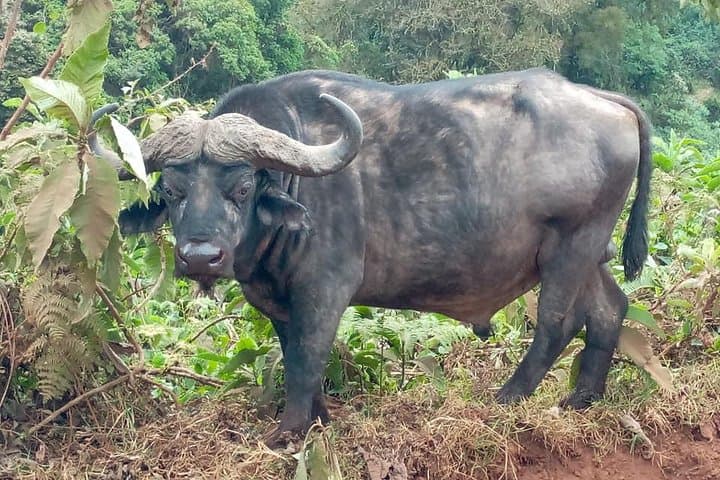
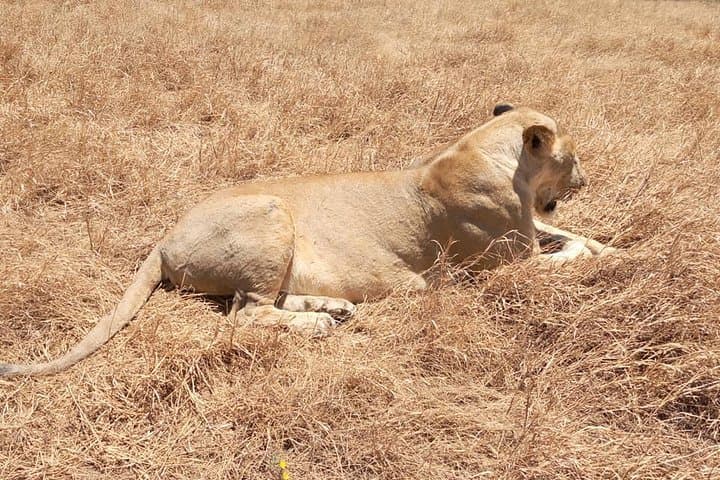
Ngorongoro supports populations of the Big Five, and many visitors see several of them on a day trip, but sightings cannot be guaranteed—wildlife is naturally dispersed and unpredictable.
Most day trips include park entrance fees and a picnic lunch; confirm inclusions with your operator before booking for any additional costs.
The tour is family-friendly but involves long hours in a vehicle; those with spinal, heart, or pregnancy-related restrictions should avoid due to bumpy roads and long duration.
Ngorongoro is part of the Crater Highlands and a UNESCO World Heritage site; Maasai pastoralists have inhabited and managed these highlands for generations.
Tourism fees support conservation and local communities, and park rules limit vehicle numbers and behavior to reduce disturbance—follow your guide to minimize impact.
Experience Zanzibar Tours & Safaris operates guided outdoor trips and adventures with an emphasis on safety, stewardship, and memorable experiences.
You stand on the Crater rim at first light as a cool wind pushes across the grasslands; below, the caldera holds a low-lying fog that parts to reveal grazing wildebeest and the flash of zebra stripes. The road down is a ribbon of red earth and hope: a single-track promise that the next bend could bring lions at a waterhole or a black rhino framed against soda-plain pinks.
You stand on the Crater rim at first light as a cool wind pushes across the grasslands; below, the caldera holds a low-lying fog that parts to reveal grazing wildebeest and the flash of zebra stripes. The road down is a ribbon of red earth and hope: a single-track promise that the next bend could bring lions at a waterhole or a black rhino framed against soda-plain pinks.
Ngorongoro is an intact volcanic caldera formed by a colossal collapse millions of years ago and today is one of the densest wildlife concentrations in Africa. UNESCO recognizes the conservation area for both its geology and the living culture of the Maasai, who continue pastoral traditions on the highlands. Geology, culture and ecology overlap here — the crater floor’s alkaline lakes attract flamingos while the grasslands feed large grazers and their predators.
Practically, expect a long day: pickup around 06:00 from Arusha, roughly 190 km of driving to the gate, a rim stop for views, then descent for a full-day game drive before returning late afternoon. Vehicles are 4x4s suited to rough tracks; guides handle permits and park rules.
Bring sun protection, binoculars, and layers — temperatures vary from cool rim mornings to hot crater plains. Hydrate and plan for a 12–13 hour outing with lunch provided. Respect viewing distances and Maasai land-use practices: the crater is both a wildlife showcase and a living landscape that depends on careful tourism to thrive.