THE ADVENTURE COLLECTIVE® · Independent discovery and booking for outdoor travel

A compact but wildly varied safari near Arusha, Arusha National Park packs volcanoes, crater rim forest, saline lakes and frequent wildlife sightings into a short trip. Read on for practical tips, seasonal timing and what to expect on a shared 1–2 day visit.
A compact but wildly varied safari near Arusha, Arusha National Park packs volcanoes, crater rim forest, saline lakes and frequent wildlife sightings into a short trip. Read on for practical tips, seasonal timing and what to expect on a shared 1–2 day visit.
A low-slung safari jeep shudders onto red earth as Mount Meru fills the rear window — its flanks a raw, volcanic shoulder against the sky.
You drive through acacia and montane forest, cross the shallow plains where giraffe browse, and pause at the Momella lakes as flamingos pick at the shallows. The park is compact—about 137 sq km—but its scale is deceptive: a volcano, crater rim, lake system and open woodlands compressed into a day’s route make wildlife encounters frequent and varied.
Verified experiences and guided adventures in the surrounding area.
Operated by BEST Kilimanjaro CLIMB | HIKE | BIKE TREK | Tanzania Safaris from Moshi & Arusha · Arusha, Arusha Region
A low-slung safari jeep shudders onto red earth as Mount Meru fills the rear window — its flanks a raw, volcanic shoulder against the sky.
You drive through acacia and montane forest, cross the shallow plains where giraffe browse, and pause at the Momella lakes as flamingos pick at the shallows. The park is compact—about 137 sq km—but its scale is deceptive: a volcano, crater rim, lake system and open woodlands compressed into a day’s route make wildlife encounters frequent and varied.
Arusha National Park sits on the northern edge of Tanzania’s safari circuit and was set aside in the mid-20th century as part of the country’s expanding conservation network. Geologically it’s young: Mount Meru is an active stratovolcano and the park’s crater and lava flows shape trails, drainage and soil that feed hyper-saline shallow lakes favored by wading birds.
Culturally, Arusha town is the logistical hub — a market town with Maasai communities nearby and a long history as a meeting point for East African trade and diplomacy.
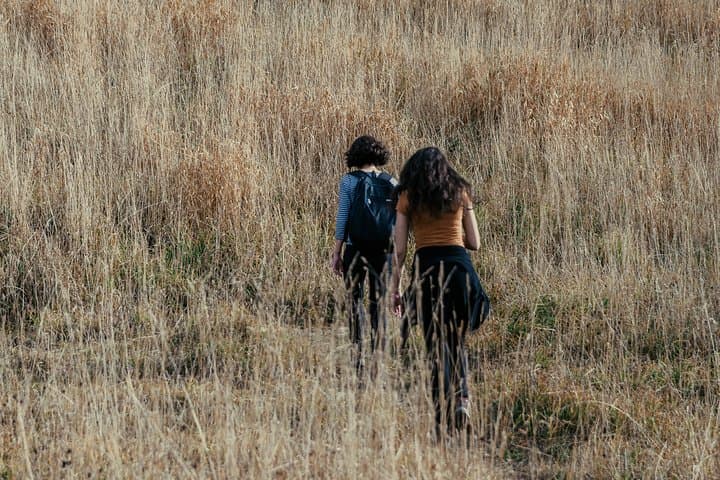
Practical guidance: start early to beat the heat and catch predators at first light; tracks can be rutted after rains so a 4x4 is standard. Bring sun protection, binoculars and layered clothing for cooler crater rim breezes. Expect game drives interspersed with short guided walks near the forest edge and a picnic lunch at a designated site. The park is suitable for travelers of most fitness levels, though some dirt walks involve uneven ground. For photographers, the low, contrasty light and reflective lake surfaces reward patient framing.
easy.
1–2 days.
Suitable for most fitness levels; short, uneven walks possible but no technical fitness required
The park sits about 25–30 km from Arusha town; expect 45–60 minutes by safari vehicle depending on traffic and road conditions.
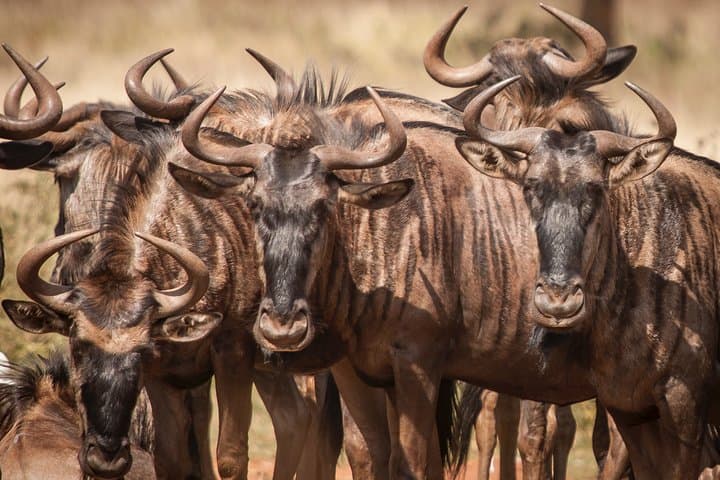
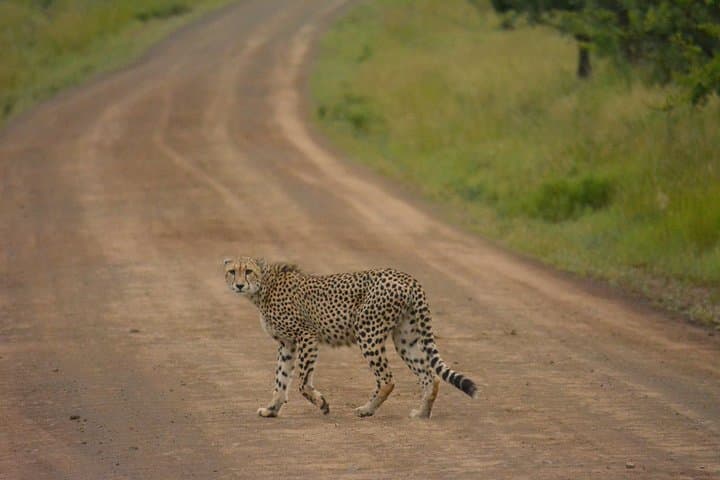
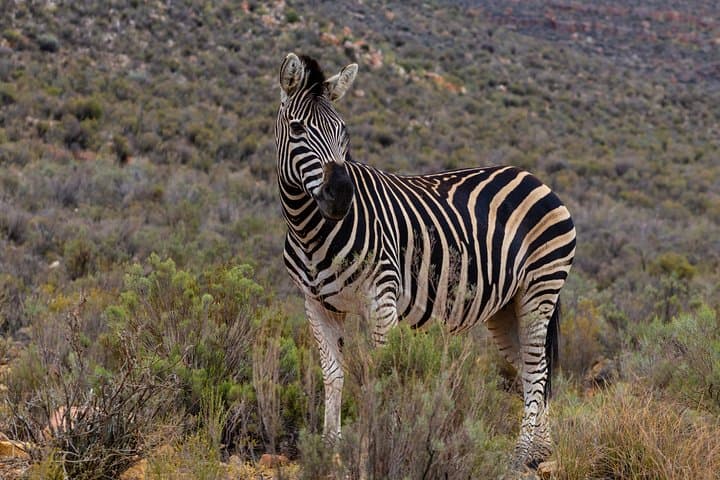
Common sightings include elephants, giraffes, zebras, dik-dik, various antelope, numerous bird species and occasional leopard; sightings depend on timing and luck.
Most operators use 4x4 safari jeeps because park tracks can be rough—especially after rains—so a 4x4 is standard and recommended.
The dry months (June–October and late December–February) offer the most reliable wildlife viewing, while March–May bring heavier rains and greener scenery but muddier tracks.
Designated in the mid-20th century, Arusha National Park was created to protect Mount Meru’s unique volcanic landscape and the lakes and forests that support diverse wildlife.
Visitor numbers are kept moderate and guided drives limit off-track travel to protect fragile soils and lake shorelines; support local guides and avoid single-use plastics to reduce impact.
BEST Kilimanjaro CLIMB | HIKE | BIKE TREK | Tanzania Safaris from Moshi & Arusha operates guided outdoor trips and adventures with an emphasis on safety, stewardship, and memorable experiences.
A low-slung safari jeep shudders onto red earth as Mount Meru fills the rear window — its flanks a raw, volcanic shoulder against the sky.
You drive through acacia and montane forest, cross the shallow plains where giraffe browse, and pause at the Momella lakes as flamingos pick at the shallows. The park is compact—about 137 sq km—but its scale is deceptive: a volcano, crater rim, lake system and open woodlands compressed into a day’s route make wildlife encounters frequent and varied.
A low-slung safari jeep shudders onto red earth as Mount Meru fills the rear window — its flanks a raw, volcanic shoulder against the sky.
You drive through acacia and montane forest, cross the shallow plains where giraffe browse, and pause at the Momella lakes as flamingos pick at the shallows. The park is compact—about 137 sq km—but its scale is deceptive: a volcano, crater rim, lake system and open woodlands compressed into a day’s route make wildlife encounters frequent and varied.
Arusha National Park sits on the northern edge of Tanzania’s safari circuit and was set aside in the mid-20th century as part of the country’s expanding conservation network. Geologically it’s young: Mount Meru is an active stratovolcano and the park’s crater and lava flows shape trails, drainage and soil that feed hyper-saline shallow lakes favored by wading birds.
Culturally, Arusha town is the logistical hub — a market town with Maasai communities nearby and a long history as a meeting point for East African trade and diplomacy.
Practical guidance: start early to beat the heat and catch predators at first light; tracks can be rutted after rains so a 4x4 is standard. Bring sun protection, binoculars and layered clothing for cooler crater rim breezes. Expect game drives interspersed with short guided walks near the forest edge and a picnic lunch at a designated site. The park is suitable for travelers of most fitness levels, though some dirt walks involve uneven ground. For photographers, the low, contrasty light and reflective lake surfaces reward patient framing.