THE ADVENTURE COLLECTIVE® · Independent discovery and booking for outdoor travel

A compact national park minutes from Arusha, Arusha National Park offers guided walking safaris, optional canoe trips on Momela Lakes, and short game drives that deliver close wildlife encounters—ideal for families and first-time safari-goers.
A compact national park minutes from Arusha, Arusha National Park offers guided walking safaris, optional canoe trips on Momela Lakes, and short game drives that deliver close wildlife encounters—ideal for families and first-time safari-goers.
Morning light strips across the Momela Lakes and the water dares you to step closer; hippo backs break the glassy surface as giraffes wander the distant woodland. In Arusha National Park, the landscape is compact but varied—forest slopes, an ancient crater, and a string of alkaline lakes that push the eye across open sky.
Verified experiences and guided adventures in the surrounding area.
Operated by African polecat safaris · Arusha, Arusha Region
Morning light strips across the Momela Lakes and the water dares you to step closer; hippo backs break the glassy surface as giraffes wander the distant woodland. In Arusha National Park, the landscape is compact but varied—forest slopes, an ancient crater, and a string of alkaline lakes that push the eye across open sky.
The park was set aside in the mid-20th century to protect Mount Meru’s foothills and surrounding wetlands. Geologically, it sits on rift flank escarpments and volcanic soils; Ngurdoto Crater reads like a small, green amphitheater carved by tectonic and erosive forces. Culturally, the area sits in the shadow of Arusha town, a hub for safaris where local guides translate Swahili stories and Maasai knowledge into richer wildlife context.
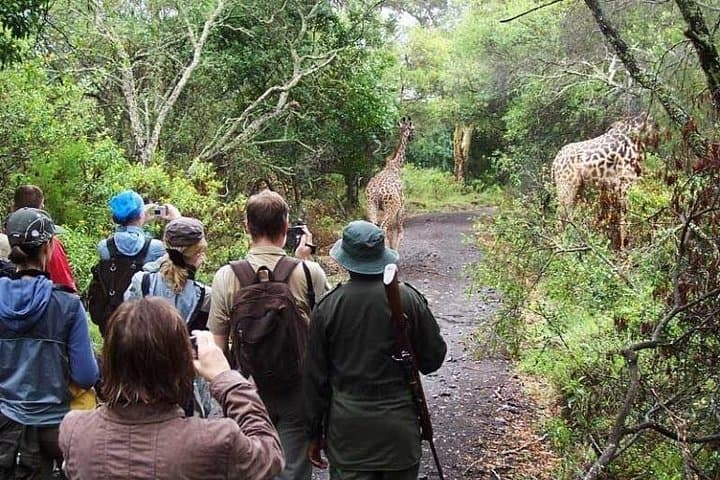
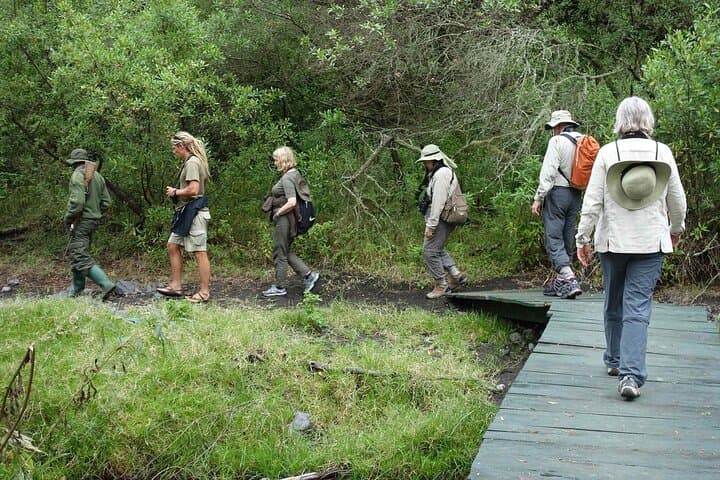
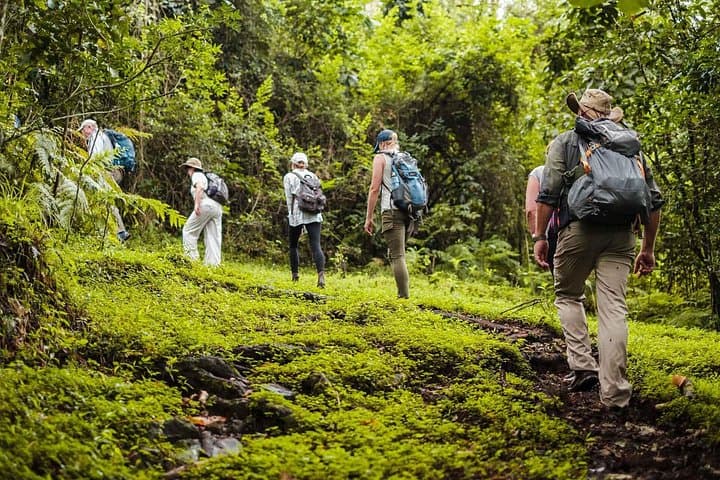
Practically, this is a close-to-town park designed for low-impact encounters: guided walking safaris, optional canoe trips across Momela Lakes, and short game drives to the crater rim. Expect easy to moderate terrain—well-worn animal tracks, shady forest paths, and short climbs with rewarding views. Wildlife sighting odds favor giraffe, buffalo, zebras, colobus monkeys and a dense bird list including Crown Eagles.
Plan a half- to full-day visit; dawn or late afternoon light produces the best behavior from animals. Bring a refillable water bottle, sun protection, and binoculars. Guides handle navigation and permit logistics; follow their lead near hippo zones and wetlands. For families and first-time safari-goers, Arusha National Park offers immediate wildlife contact without long drives—compact, accessible, and quietly wild.
moderate.
1–9 hours.
Suitable for people with basic fitness; walking safaris involve uneven ground and short hills—canoe options need light paddling ability.
The park is roughly a 45–60 minute drive from central Arusha depending on traffic and your lodge or pickup point.
Yes—walking safaris are family-friendly when led by experienced guides; they choose routes and pace appropriate for children and avoid risky areas near hippos.
Canoe safaris are generally offered as an optional extra; confirm availability and cost beforehand as they depend on water levels and staffing.
Park fees and permits are required for non-residents and are usually included if booked through a tour operator; confirm what is covered before you go.
Arusha National Park was established in the early 1960s to protect Mount Meru’s slopes and nearby wetlands and has long served as a close-access conservation and recreation area for Arusha.
The park’s alkaline lakes and wetlands are ecologically sensitive—stay on routes, avoid littering, and use local guides to minimize disturbance to birds and hippos.
African polecat safaris operates guided outdoor trips and adventures with an emphasis on safety, stewardship, and memorable experiences.
Morning light strips across the Momela Lakes and the water dares you to step closer; hippo backs break the glassy surface as giraffes wander the distant woodland. In Arusha National Park, the landscape is compact but varied—forest slopes, an ancient crater, and a string of alkaline lakes that push the eye across open sky.
Morning light strips across the Momela Lakes and the water dares you to step closer; hippo backs break the glassy surface as giraffes wander the distant woodland. In Arusha National Park, the landscape is compact but varied—forest slopes, an ancient crater, and a string of alkaline lakes that push the eye across open sky.
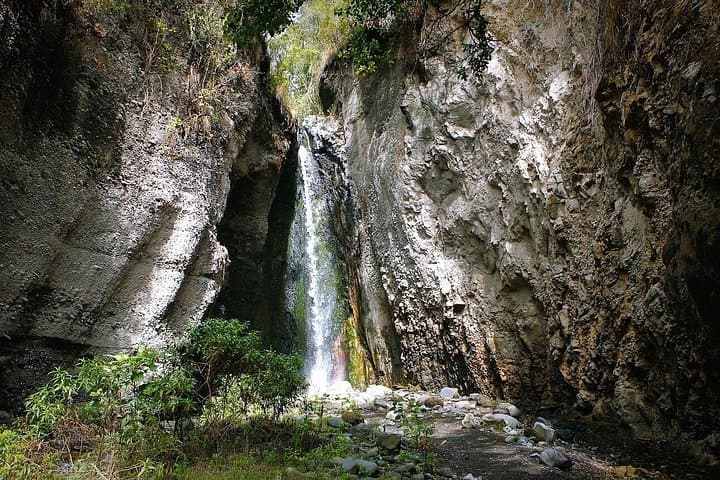
The park was set aside in the mid-20th century to protect Mount Meru’s foothills and surrounding wetlands. Geologically, it sits on rift flank escarpments and volcanic soils; Ngurdoto Crater reads like a small, green amphitheater carved by tectonic and erosive forces. Culturally, the area sits in the shadow of Arusha town, a hub for safaris where local guides translate Swahili stories and Maasai knowledge into richer wildlife context.
Practically, this is a close-to-town park designed for low-impact encounters: guided walking safaris, optional canoe trips across Momela Lakes, and short game drives to the crater rim. Expect easy to moderate terrain—well-worn animal tracks, shady forest paths, and short climbs with rewarding views. Wildlife sighting odds favor giraffe, buffalo, zebras, colobus monkeys and a dense bird list including Crown Eagles.
Plan a half- to full-day visit; dawn or late afternoon light produces the best behavior from animals. Bring a refillable water bottle, sun protection, and binoculars. Guides handle navigation and permit logistics; follow their lead near hippo zones and wetlands. For families and first-time safari-goers, Arusha National Park offers immediate wildlife contact without long drives—compact, accessible, and quietly wild.