THE ADVENTURE COLLECTIVE® · Independent discovery and booking for outdoor travel

Craft a flexible full-day from Arusha or Moshi that pairs Chagga coffee culture and a waterfall hike with swimming in Chemka’s blue pools or a quiet canoe on Lake Duluti. Expect forest paths, calm crater water, and local-guided logistics.
Craft a flexible full-day from Arusha or Moshi that pairs Chagga coffee culture and a waterfall hike with swimming in Chemka’s blue pools or a quiet canoe on Lake Duluti. Expect forest paths, calm crater water, and local-guided logistics.
You start before sunrise in a minivan rolling out of Arusha or Moshi, the air cooling as the road climbs toward the Kilimanjaro foothills.
Verified experiences and guided adventures in the surrounding area.
Operated by World Compass Adventures · Arusha, Arusha Region
You start before sunrise in a minivan rolling out of Arusha or Moshi, the air cooling as the road climbs toward the Kilimanjaro foothills.
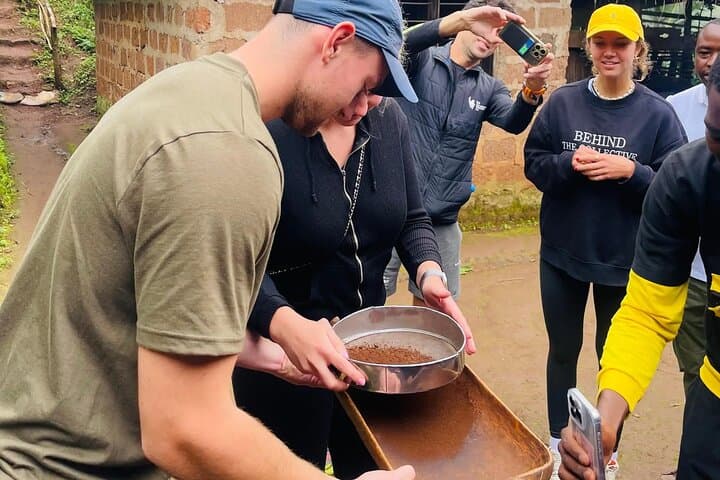
By mid-morning you’re among coffee terraces: hands-on coffee processing at a Chagga farm, the smell of fresh-roasted beans rising while guides explain cultivation that shaped local life for generations. The Materuni hike that follows is short but real—expect 1.5–3 km round-trip with intermittent steep pitches and roughly 150–300 m of elevation change depending on the route—forest tracks, slippery roots, and a final plunge of spray as the waterfall dares you to cool off in a basalt-framed pool.
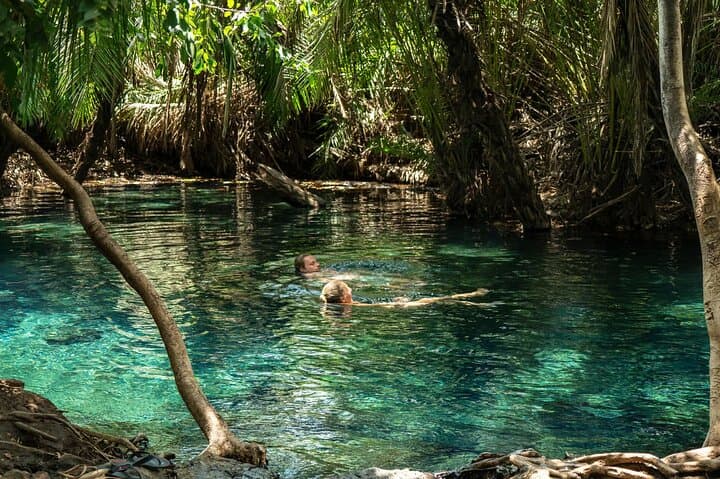
Chemka (Kikuletwa) springs offers a contrast: broad, clear blue pools shaded by fig and mango, where water moves slow and inviting and rope swings tempt the brave. Lake Duluti is a different calm—this small volcanic crater lake yields quiet canoe crossings and a flat 3–4 km shoreline walk that rewards birdwatchers and occasional monkeys moving through the canopy. The optional Nauru/Napuru waterfalls and adventure zone add ATVs, zipline or archery for a higher-adrenaline afternoon on uneven terrain.
Practicalities: these are full-day programs (about 8–9 hours total), with private transport provided, short hikes on worn tropical trails, and swimming in natural pools. Bring sturdy shoes that can get wet, sun and insect protection, cash for small community fees or souvenirs, and a light rain layer during the long rains (March–May). Guides handle logistics and local context—listen for cues on fragile trails and respect sacred farm plots. The package blends culture, geology, and low-impact outdoor time—ideal for travelers wanting varied natural experiences without remote camping.
moderate.
8–9 hours.
Light to moderate fitness—comfortable walking for 1–3 hours total with short steep sections and the ability to paddle a canoe for 30–60 minutes.
Typical visits include a 1.5–3 km round-trip hike with some steep pitches; time on trails varies by exact farm route but plan for 45–90 minutes of walking.
Yes—Chemka is a clear spring-fed pool used for swimming; avoid diving in unknown depths, watch for tree roots and follow local guides’ advice.
Absolutely—canoes are guided and stable; basic paddling is taught on-site and the crossing is calm, making it suitable for most ages.
Most tours include breakfast and lunch as noted, but bring snacks and water for hikes and personal needs.
The Chagga people have farmed the Kilimanjaro foothills for centuries; coffee cultivation shaped local village life and trails that lead toward waterfalls and forest.
Crater lakes and springs are sensitive—avoid soaps in water, stick to marked trails, and respect community-managed sites to reduce erosion and pollution.
World Compass Adventures operates guided outdoor trips and adventures with an emphasis on safety, stewardship, and memorable experiences.

You start before sunrise in a minivan rolling out of Arusha or Moshi, the air cooling as the road climbs toward the Kilimanjaro foothills.
You start before sunrise in a minivan rolling out of Arusha or Moshi, the air cooling as the road climbs toward the Kilimanjaro foothills.
By mid-morning you’re among coffee terraces: hands-on coffee processing at a Chagga farm, the smell of fresh-roasted beans rising while guides explain cultivation that shaped local life for generations. The Materuni hike that follows is short but real—expect 1.5–3 km round-trip with intermittent steep pitches and roughly 150–300 m of elevation change depending on the route—forest tracks, slippery roots, and a final plunge of spray as the waterfall dares you to cool off in a basalt-framed pool.
Chemka (Kikuletwa) springs offers a contrast: broad, clear blue pools shaded by fig and mango, where water moves slow and inviting and rope swings tempt the brave. Lake Duluti is a different calm—this small volcanic crater lake yields quiet canoe crossings and a flat 3–4 km shoreline walk that rewards birdwatchers and occasional monkeys moving through the canopy. The optional Nauru/Napuru waterfalls and adventure zone add ATVs, zipline or archery for a higher-adrenaline afternoon on uneven terrain.
Practicalities: these are full-day programs (about 8–9 hours total), with private transport provided, short hikes on worn tropical trails, and swimming in natural pools. Bring sturdy shoes that can get wet, sun and insect protection, cash for small community fees or souvenirs, and a light rain layer during the long rains (March–May). Guides handle logistics and local context—listen for cues on fragile trails and respect sacred farm plots. The package blends culture, geology, and low-impact outdoor time—ideal for travelers wanting varied natural experiences without remote camping.