THE ADVENTURE COLLECTIVE® · Independent discovery and booking for outdoor travel

Explore Arusha’s lively streets from the Clock Tower to the Tanzanite Museum on a half- to full-day tour that mixes culture, geology, and market life. Expect hands-on art, spicy street food, and practical local tips for bargaining and timing.
Explore Arusha’s lively streets from the Clock Tower to the Tanzanite Museum on a half- to full-day tour that mixes culture, geology, and market life. Expect hands-on art, spicy street food, and practical local tips for bargaining and timing.
Morning light slides down the slopes of Mount Meru and the city exhales: street vendors arrange piles of mangoes, tuk-tuks hum, and the Clock Tower stands where a traveler can quite literally imagine two continents touching. Walking these streets, the air carries the smell of roasting coffee and charcoal from nyama choma stands — Arusha is a city that keeps moving while asking you to slow down.
Verified experiences and guided adventures in the surrounding area.
Operated by Nguzo Travel Experience · Arusha, Arusha Region
Morning light slides down the slopes of Mount Meru and the city exhales: street vendors arrange piles of mangoes, tuk-tuks hum, and the Clock Tower stands where a traveler can quite literally imagine two continents touching. Walking these streets, the air carries the smell of roasting coffee and charcoal from nyama choma stands — Arusha is a city that keeps moving while asking you to slow down.
History is visible in small things: the Clock Tower marking the halfway point between Cairo and Cape Town, markets that trace trade lines back centuries, and a local gemstone industry focused on tanzanite clustered near Kilimanjaro. Geology and human craft meet here — volcanic soils feed coffee farms; artisans translate oral histories into wood and canvas at the Cultural Heritage Center.
You’ll move between compact sites: a curated Tanzanite Museum, a vibrant open market, galleries of contemporary and traditional art, and a lunch where plates arrive communal and loud with flavor. The city is both gateway and classroom — expect friendly bargaining at stalls, live music at midday, and the occasional troop of vervet monkeys on the outskirts reminding you the wild is never far.
Practical side: this is an easy, mostly flat urban tour best done in the morning or late afternoon to avoid peak heat. Carry cash in small denominations, wear breathable shoes for uneven sidewalks, and guard your camera in crowded markets. If you want longer context, add a coffee-plantation side trip or schedule this as a warm-up before a safari or hike on nearby Mount Meru.
easy.
4–8 hours.
Suitable for most fitness levels; involves walking on urban streets and market lanes.
Private transport is included; details about pickup point are collected at booking and can be arranged from most Arusha hotels.
Yes — the tour includes entrance to the Tanzanite Museum and the Cultural Heritage center; some small market purchases are not included.
Yes — the tour is stroller accessible and suitable for families; infants must sit on laps during transportation if required.
Guides commonly speak English; private tours may offer translators if requested in advance.
Arusha grew as a crossroads on trade routes and later as an administrative center under German and British rule; the Clock Tower marks the symbolic middle of Africa’s north–south axis.
Support local guides and artisans to keep cultural economies sustainable; avoid single-use plastics and follow market etiquette to reduce waste.
Nguzo Travel Experience operates guided outdoor trips and adventures with an emphasis on safety, stewardship, and memorable experiences.
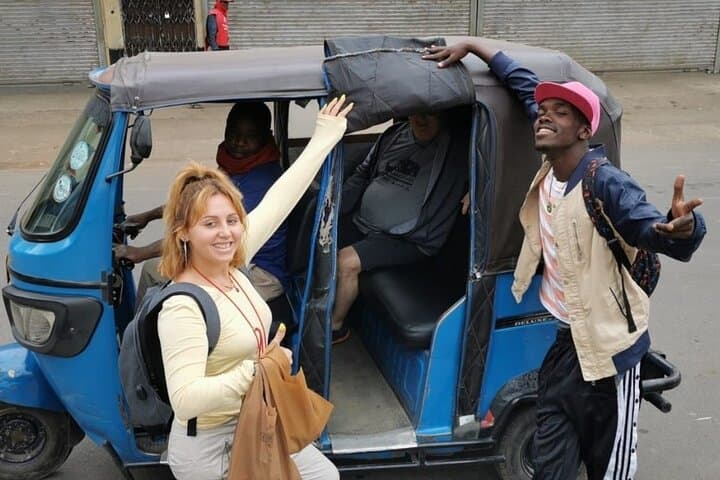
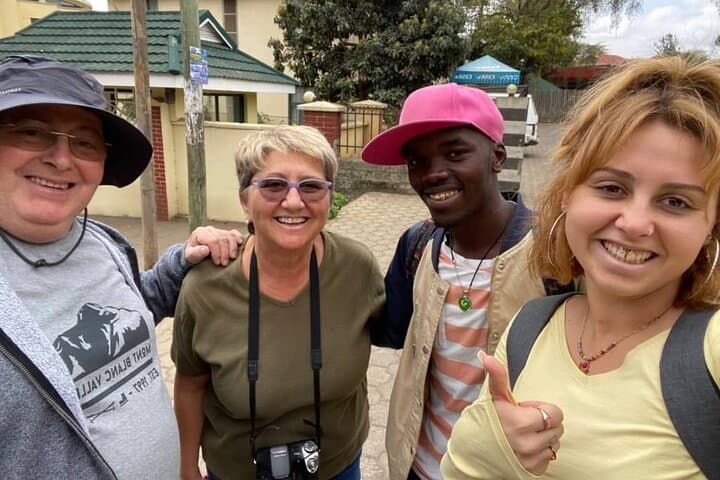

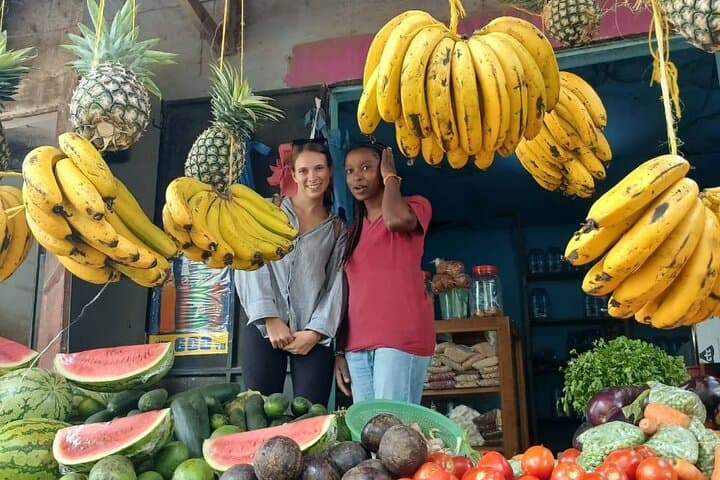
Morning light slides down the slopes of Mount Meru and the city exhales: street vendors arrange piles of mangoes, tuk-tuks hum, and the Clock Tower stands where a traveler can quite literally imagine two continents touching. Walking these streets, the air carries the smell of roasting coffee and charcoal from nyama choma stands — Arusha is a city that keeps moving while asking you to slow down.
Morning light slides down the slopes of Mount Meru and the city exhales: street vendors arrange piles of mangoes, tuk-tuks hum, and the Clock Tower stands where a traveler can quite literally imagine two continents touching. Walking these streets, the air carries the smell of roasting coffee and charcoal from nyama choma stands — Arusha is a city that keeps moving while asking you to slow down.
History is visible in small things: the Clock Tower marking the halfway point between Cairo and Cape Town, markets that trace trade lines back centuries, and a local gemstone industry focused on tanzanite clustered near Kilimanjaro. Geology and human craft meet here — volcanic soils feed coffee farms; artisans translate oral histories into wood and canvas at the Cultural Heritage Center.
You’ll move between compact sites: a curated Tanzanite Museum, a vibrant open market, galleries of contemporary and traditional art, and a lunch where plates arrive communal and loud with flavor. The city is both gateway and classroom — expect friendly bargaining at stalls, live music at midday, and the occasional troop of vervet monkeys on the outskirts reminding you the wild is never far.
Practical side: this is an easy, mostly flat urban tour best done in the morning or late afternoon to avoid peak heat. Carry cash in small denominations, wear breathable shoes for uneven sidewalks, and guard your camera in crowded markets. If you want longer context, add a coffee-plantation side trip or schedule this as a warm-up before a safari or hike on nearby Mount Meru.