THE ADVENTURE COLLECTIVE® · Independent discovery and booking for outdoor travel

Explore Arusha’s markets, monuments and mountain views on a focused half- to full-day tour. Learn local history, sample spices, and get practical orientation before venturing into Tanzania’s northern parks.
Explore Arusha’s markets, monuments and mountain views on a focused half- to full-day tour. Learn local history, sample spices, and get practical orientation before venturing into Tanzania’s northern parks.
You step out of your vehicle onto a broad, sun-warmed plaza and the city opens around you — roadside vendors calling, spice aromas lifting from open sacks, and Mount Meru framing the skyline like a patient giant.
Verified experiences and guided adventures in the surrounding area.
Operated by Africa Outland Tours · Arusha, Arusha Region
You step out of your vehicle onto a broad, sun-warmed plaza and the city opens around you — roadside vendors calling, spice aromas lifting from open sacks, and Mount Meru framing the skyline like a patient giant.
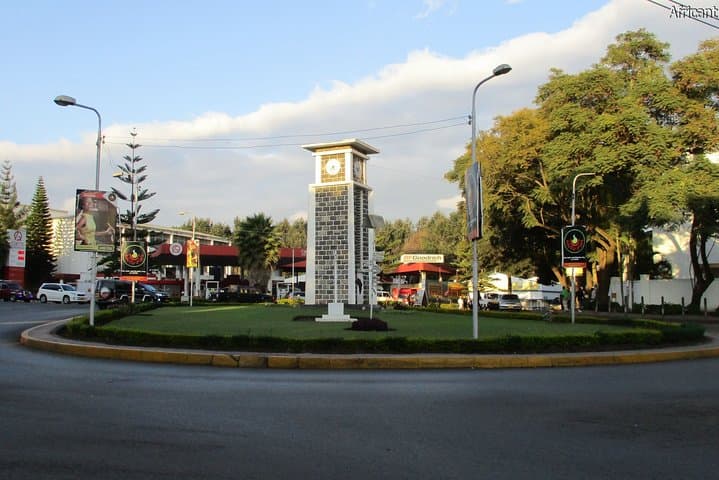
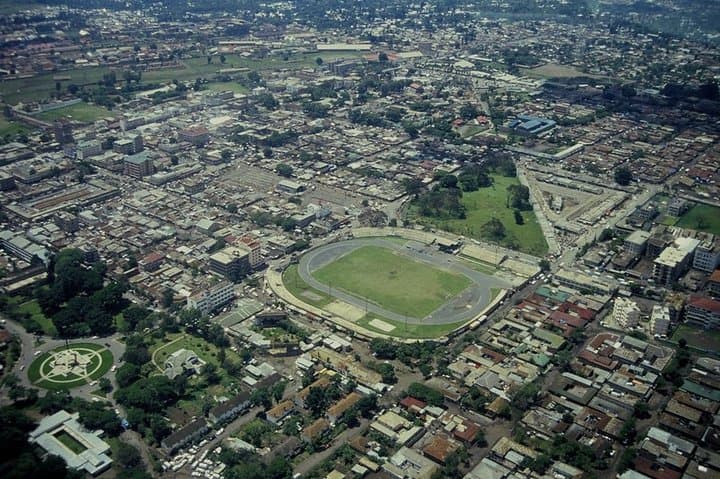
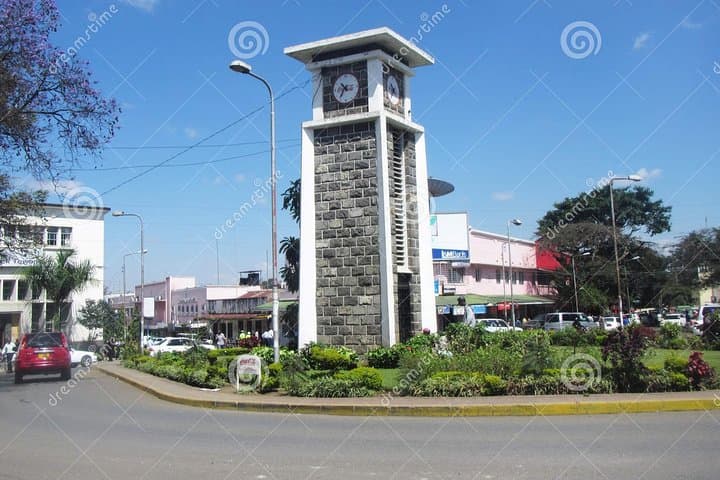
This half- to full-day tour threads you through Arusha’s practical heart: the landmark Clock Tower (the halfway point between Cairo and Cape Town), the bustling central market where traders arrange chilies, mangoes and cardamom, and the Maasai Market where beadwork and textiles bring contemporary culture into sharp color. A visit to the Arusha Declaration Monument and its small museum offers a concise window into Tanzania’s post-independence politics and nation-building. Geologically, Arusha sits on a high plateau in the eastern branch of the Great Rift Valley; the city’s views of volcanic cones and the distant Kilimanjaro and Meru peaks reflect that dramatic terrain.
Locals move with purpose, and the city’s pace pairs well with short walks between sites — expect packed dirt lanes, paved market alleys and straightforward urban steps rather than rigorous hiking.
Practical guidance: wear sturdy closed-toe shoes for market alleys, carry cash in small denominations for purchases, and plan the tour for morning to avoid mid-day heat and maximize mountain visibility. Hydrate; bottled water is normally provided. If you want museum time and shopping without rush, allow toward the upper end of the 3–7 hour window and confirm pickup times with your operator.
This tour is an effective primer before a northern safari — it gives cultural context, logistical orientation, and a hands-on sense of the region you'll explore next.
easy.
3–7 hours.
Suitable for travelers in average urban walking shape; involves short walks and standing
The tour runs approximately 3–7 hours depending on stops and your chosen itinerary.
Yes — this tour typically includes lunch and bottled water as noted in the inclusions.
Some market areas have uneven surfaces and narrow aisles; accessibility can be limited—check with the operator ahead of booking for specific requirements.
On clear days you can see Mount Kilimanjaro from Arusha; morning departures increase the likelihood of good visibility.
Arusha grew as a colonial administrative center and later became an important meeting place for regional diplomacy; the Arusha Declaration marks Tanzania’s post-independence socialist policy history.
Tourism supports local conservation through park fees and community enterprises; visitors should avoid single-use plastics and respect wildlife distances in nearby parks.
Africa Outland Tours operates guided outdoor trips and adventures with an emphasis on safety, stewardship, and memorable experiences.
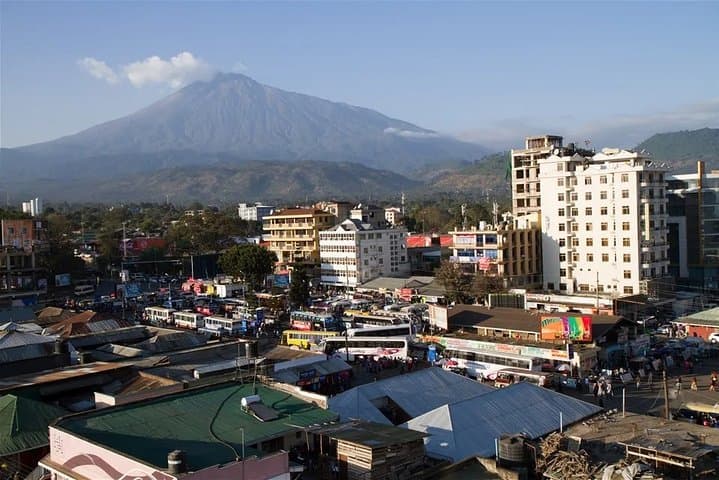
You step out of your vehicle onto a broad, sun-warmed plaza and the city opens around you — roadside vendors calling, spice aromas lifting from open sacks, and Mount Meru framing the skyline like a patient giant.
You step out of your vehicle onto a broad, sun-warmed plaza and the city opens around you — roadside vendors calling, spice aromas lifting from open sacks, and Mount Meru framing the skyline like a patient giant.
This half- to full-day tour threads you through Arusha’s practical heart: the landmark Clock Tower (the halfway point between Cairo and Cape Town), the bustling central market where traders arrange chilies, mangoes and cardamom, and the Maasai Market where beadwork and textiles bring contemporary culture into sharp color. A visit to the Arusha Declaration Monument and its small museum offers a concise window into Tanzania’s post-independence politics and nation-building. Geologically, Arusha sits on a high plateau in the eastern branch of the Great Rift Valley; the city’s views of volcanic cones and the distant Kilimanjaro and Meru peaks reflect that dramatic terrain.
Locals move with purpose, and the city’s pace pairs well with short walks between sites — expect packed dirt lanes, paved market alleys and straightforward urban steps rather than rigorous hiking.
Practical guidance: wear sturdy closed-toe shoes for market alleys, carry cash in small denominations for purchases, and plan the tour for morning to avoid mid-day heat and maximize mountain visibility. Hydrate; bottled water is normally provided. If you want museum time and shopping without rush, allow toward the upper end of the 3–7 hour window and confirm pickup times with your operator.
This tour is an effective primer before a northern safari — it gives cultural context, logistical orientation, and a hands-on sense of the region you'll explore next.