THE ADVENTURE COLLECTIVE® · Independent discovery and booking for outdoor travel

Five days of private safari across Tarangire, the sweeping Serengeti and the vertiginous Ngorongoro Crater — an efficient loop of big-game viewing, Maasai cultural visits, and nights in tented camps. Read on for what to expect and how to prepare.
Five days of private safari across Tarangire, the sweeping Serengeti and the vertiginous Ngorongoro Crater — an efficient loop of big-game viewing, Maasai cultural visits, and nights in tented camps. Read on for what to expect and how to prepare.
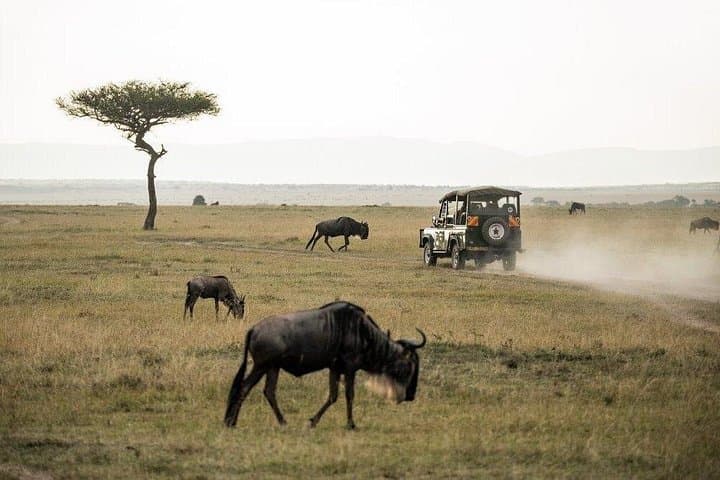
You step off the road as the sun is still a flat coin over the plains; dust settles behind the vehicle and the air smells faintly of acacia and diesel. In minutes the scrub opens into Tarangire’s baobab-studded floodplain where elephants move like slow tides, then farther west the Serengeti’s grass seas stretch to the horizon and the kopjes crown the skyline like weathered watchtowers.
Verified experiences and guided adventures in the surrounding area.
Operated by African Paradise Safaris · Arusha, Arusha Region
You step off the road as the sun is still a flat coin over the plains; dust settles behind the vehicle and the air smells faintly of acacia and diesel. In minutes the scrub opens into Tarangire’s baobab-studded floodplain where elephants move like slow tides, then farther west the Serengeti’s grass seas stretch to the horizon and the kopjes crown the skyline like weathered watchtowers.
These parks are geological chapters: Tarangire’s ancient river valleys, Serengeti’s vast metamorphic plains, and the spectacular Ngorongoro caldera — a 600m-walled bowl that traps ecosystems and stories. Human history is present too: Maasai villages punctuate drives, offering cultural encounters rooted in pastoral life; Olduvai Gorge nearby keeps the record of our earliest ancestors.
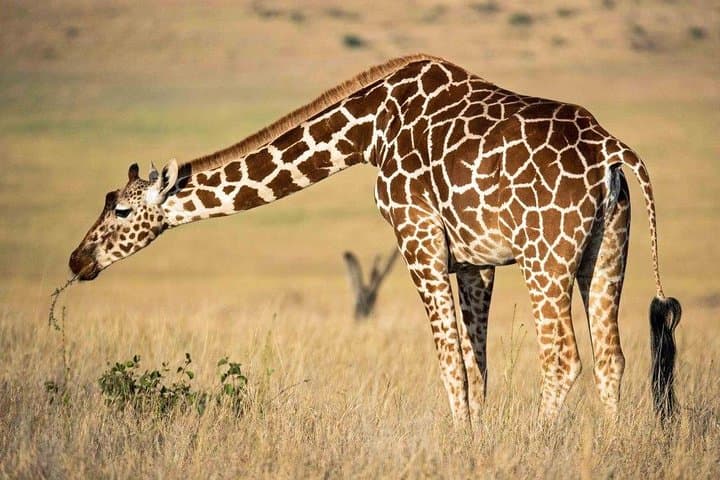
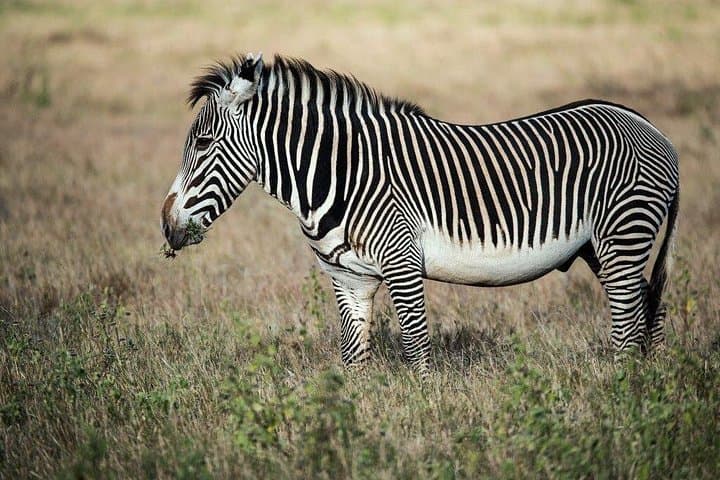
Expect daily game drives from sunrise into late afternoon, tented camps or lodges each night, and long transfers that are part of the rhythm — the landscape moves you as much as you move through it. Wildlife here is abundant: elephants, lion, buffalo, and, with luck, the rare black rhino in Ngorongoro. Vehicles are your vantage and shelter; guides read tracks and patience; morning light makes plains photography satisfying but demanding.
Practical guidance: pack neutral-colored layers for desert-cool mornings, a 300–400mm lens or good binoculars, sunscreen and water for all drives, and small local currency for park fees, tips and market purchases. This private 5-day loop is best booked for dry-window clarity (June–October) but wildlife viewing is steady year-round. Respect distance rules, follow guides’ instructions, and move quietly—animals notice intent.
moderate.
5 days.
Suitable for travelers with basic fitness; expect full days sitting on uneven vehicle seats and short walks at lodges.
This itinerary lists admissions included for several days; confirm with the operator which park fees are covered and whether any additional conservation levies apply.
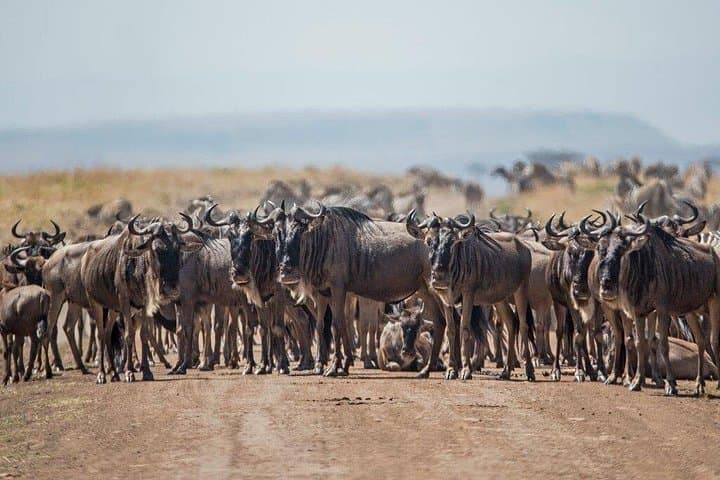
June to October is the dry season when the great migration is most concentrated in northern Serengeti; however, wildlife viewing is productive year-round in different park areas.
The operator notes pram access and infant seat availability but the tour is not recommended for pregnant travelers due to long drives and limited medical access.
Tipping is customary; a common guideline is $10–20 per guest per day split between driver and guide, adjusted for service and group size.
The region combines deep geological time — the Ngorongoro caldera and Serengeti’s ancient rock formations — with human history recorded at Olduvai Gorge and the living culture of Maasai pastoralists.
Tourism revenue supports anti-poaching and community conservation; maintain distance from wildlife, avoid single-use plastics, and follow guide instructions to reduce impact.
African Paradise Safaris operates guided outdoor trips and adventures with an emphasis on safety, stewardship, and memorable experiences.
You step off the road as the sun is still a flat coin over the plains; dust settles behind the vehicle and the air smells faintly of acacia and diesel. In minutes the scrub opens into Tarangire’s baobab-studded floodplain where elephants move like slow tides, then farther west the Serengeti’s grass seas stretch to the horizon and the kopjes crown the skyline like weathered watchtowers.
You step off the road as the sun is still a flat coin over the plains; dust settles behind the vehicle and the air smells faintly of acacia and diesel. In minutes the scrub opens into Tarangire’s baobab-studded floodplain where elephants move like slow tides, then farther west the Serengeti’s grass seas stretch to the horizon and the kopjes crown the skyline like weathered watchtowers.
These parks are geological chapters: Tarangire’s ancient river valleys, Serengeti’s vast metamorphic plains, and the spectacular Ngorongoro caldera — a 600m-walled bowl that traps ecosystems and stories. Human history is present too: Maasai villages punctuate drives, offering cultural encounters rooted in pastoral life; Olduvai Gorge nearby keeps the record of our earliest ancestors.
Expect daily game drives from sunrise into late afternoon, tented camps or lodges each night, and long transfers that are part of the rhythm — the landscape moves you as much as you move through it. Wildlife here is abundant: elephants, lion, buffalo, and, with luck, the rare black rhino in Ngorongoro. Vehicles are your vantage and shelter; guides read tracks and patience; morning light makes plains photography satisfying but demanding.
Practical guidance: pack neutral-colored layers for desert-cool mornings, a 300–400mm lens or good binoculars, sunscreen and water for all drives, and small local currency for park fees, tips and market purchases. This private 5-day loop is best booked for dry-window clarity (June–October) but wildlife viewing is steady year-round. Respect distance rules, follow guides’ instructions, and move quietly—animals notice intent.