
4-Day Camping Safari: Tarangire, Serengeti & Ngorongoro Crater
Four days of camping safaris through Tarangire, the Serengeti and Ngorongoro Crater—close encounters with elephants, prides of lions and a dawn inside a volcanic caldera. Practical advice and on-the-ground expectations for first-time safari campers.
An Adventure In Arusha.
Four days of camping safaris through Tarangire, the Serengeti and Ngorongoro Crater—close encounters with elephants, prides of lions and a dawn inside a volcanic caldera. Practical advice and on-the-ground expectations for first-time safari campers.
Read the full experience
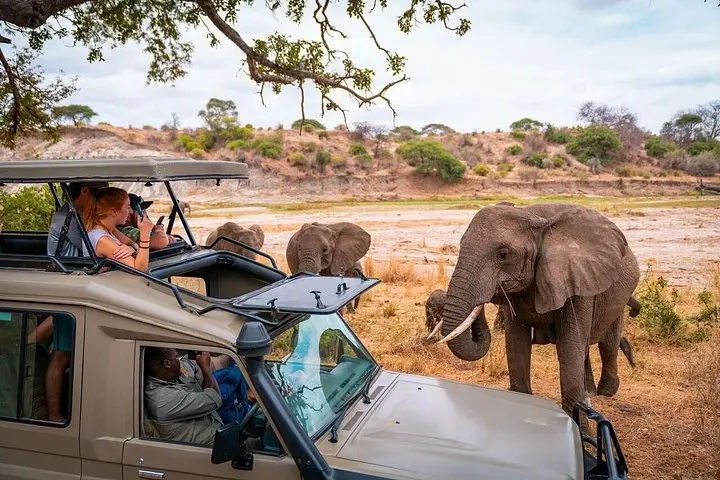
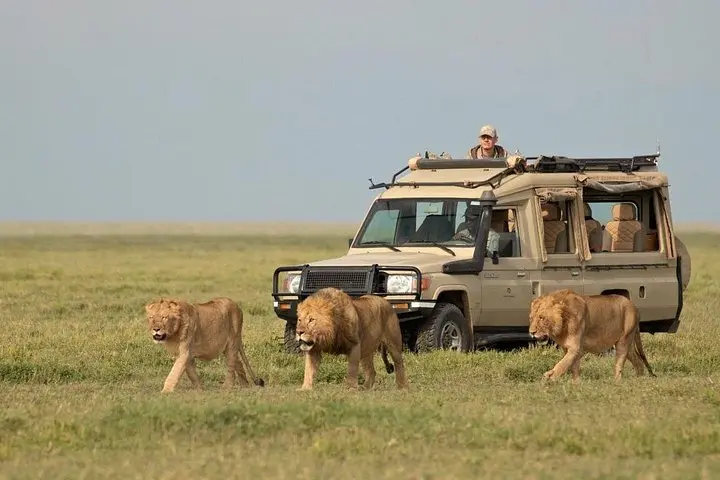
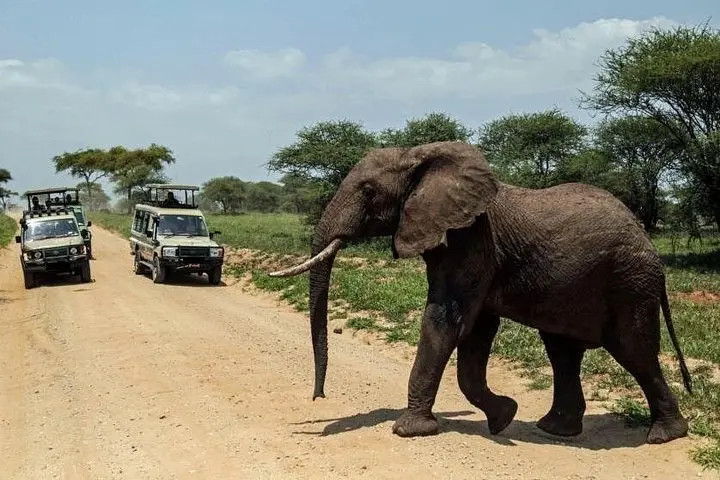
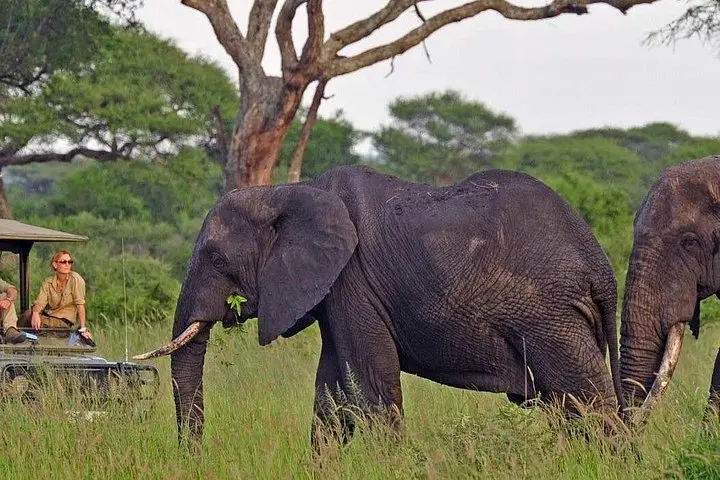
Dust lifts behind the safari truck as you leave Arusha before dawn; the air cool and sharp, the road unraveling into acacia-splattered savanna. On day one you meet Tarangire’s elephant herds beneath ancient baobabs, then cross into the Serengeti’s endless plains where horizons open and lions use the kopjes as ambush stages. The last night is spent on the rim of Ngorongoro Crater, where morning light pours into a bowl of grassland and the chances of spotting the “big five” spike.
Dust lifts behind the safari truck as you leave Arusha before dawn; the air cool and sharp, the road unraveling into acacia-splattered savanna. On day one you meet Tarangire’s elephant herds beneath ancient baobabs, then cross into the Serengeti’s endless plains where horizons open and lions use the kopjes as ambush stages. The last night is spent on the rim of Ngorongoro Crater, where morning light pours into a bowl of grassland and the chances of spotting the “big five” spike.
These parks sit on volcanic highlands shaped by tectonic collapse and uplift—Ngorongoro is a collapsed caldera, Serengeti’s plains are old lava flows pocked with rocky kopjes, and Tarangire channels seasonal water that concentrates game. Maasai communities have grazed these slopes for generations; local guides often share cultural context about land use and wildlife behavior.
Expect long game drives across dirt tracks, frequent stops for sightings, and campground evenings under an expansive southern sky. Terrain varies from flat, dusty plains to crater rim trails with modest elevation shifts (Ngorongoro rim sits around 2,200–2,400 m). Wildlife viewing is best in the dry months when animals concentrate near water.
Practical guidance: bring layered clothing for cold mornings and hot afternoons, carry 2–3 liters of water per day, use a quality binocular and camera with a telephoto lens, and prepare for bumpy roads—keep medications and motion-sickness remedies handy. Camps provide basic accommodation and meals; follow guide instructions about safety around wildlife and respect park regulations to minimize impact.
Frequently asked questions
Park entry fees are typically included in organized safari packages; confirm with your operator which fees and permits are covered before booking.
Children can join but check age restrictions and vehicle space; guardians should ensure children are comfortable with long drives and wildlife safety rules.
Consult a travel clinic for recommendations—commonly advised: yellow fever (if required), routine vaccines, and malaria prophylaxis depending on season and areas visited.
Walking is minimal—game drives are by 4x4 vehicle with short, guided walks at camps or designated spots; no technical hiking is required.
About This Experience
Sabilom Kenya Tours & Safaris operates guided outdoor trips and adventures with an emphasis on safety, stewardship, and memorable experiences.
Adventure tips
Recommended gear
- Binoculars (8x or 10x): Essential for long-distance wildlife viewing without disturbing animals.
- Sturdy hiking shoes: Needed for short walks at campsites and uneven crater rim trails.
- Warm mid-layer and windproof jacket: Cold mornings on the crater rim require insulated layers that pack small.
- Reusable water bottle with filter or purifier tablets: Useful for maintaining hydration when bottled water runs low and to reduce plastic waste.
Photos of the experience
Related adventures & guides
Read the full experience
Dust lifts behind the safari truck as you leave Arusha before dawn; the air cool and sharp, the road unraveling into acacia-splattered savanna. On day one you meet Tarangire’s elephant herds beneath ancient baobabs, then cross into the Serengeti’s endless plains where horizons open and lions use the kopjes as ambush stages. The last night is spent on the rim of Ngorongoro Crater, where morning light pours into a bowl of grassland and the chances of spotting the “big five” spike.
Dust lifts behind the safari truck as you leave Arusha before dawn; the air cool and sharp, the road unraveling into acacia-splattered savanna. On day one you meet Tarangire’s elephant herds beneath ancient baobabs, then cross into the Serengeti’s endless plains where horizons open and lions use the kopjes as ambush stages. The last night is spent on the rim of Ngorongoro Crater, where morning light pours into a bowl of grassland and the chances of spotting the “big five” spike.
These parks sit on volcanic highlands shaped by tectonic collapse and uplift—Ngorongoro is a collapsed caldera, Serengeti’s plains are old lava flows pocked with rocky kopjes, and Tarangire channels seasonal water that concentrates game. Maasai communities have grazed these slopes for generations; local guides often share cultural context about land use and wildlife behavior.
Expect long game drives across dirt tracks, frequent stops for sightings, and campground evenings under an expansive southern sky. Terrain varies from flat, dusty plains to crater rim trails with modest elevation shifts (Ngorongoro rim sits around 2,200–2,400 m). Wildlife viewing is best in the dry months when animals concentrate near water.
Practical guidance: bring layered clothing for cold mornings and hot afternoons, carry 2–3 liters of water per day, use a quality binocular and camera with a telephoto lens, and prepare for bumpy roads—keep medications and motion-sickness remedies handy. Camps provide basic accommodation and meals; follow guide instructions about safety around wildlife and respect park regulations to minimize impact.
Make a day of it nearby.
Verified experiences and guided adventures in the surrounding area.