THE ADVENTURE COLLECTIVE® · Independent discovery and booking for outdoor travel

Experience Tarangire’s baobabs, the Seronera plains of the Serengeti and the dramatic drop into Ngorongoro Crater on a focused 4-day group camping safari. Expect long game-drive days, basic camps and exceptional wildlife viewing.
Experience Tarangire’s baobabs, the Seronera plains of the Serengeti and the dramatic drop into Ngorongoro Crater on a focused 4-day group camping safari. Expect long game-drive days, basic camps and exceptional wildlife viewing.
Dawn breaks over an open roof and the engine hums — the Land Cruiser eases onto a dusty track and the world of East African wildlife unfolds. In Tarangire, elephant herds move like slow tides among sculptural baobabs; across the Serengeti the plain stretches, wind pressing grass into ripples that push the eye to the horizon; then the Ngorongoro Crater drops away beneath you, a volcanic bowl that holds lakes, flamingos and vast predator-prey theater.
Verified experiences and guided adventures in the surrounding area.
Operated by Suricata Safaris · Arusha, Arusha Region
Dawn breaks over an open roof and the engine hums — the Land Cruiser eases onto a dusty track and the world of East African wildlife unfolds. In Tarangire, elephant herds move like slow tides among sculptural baobabs; across the Serengeti the plain stretches, wind pressing grass into ripples that push the eye to the horizon; then the Ngorongoro Crater drops away beneath you, a volcanic bowl that holds lakes, flamingos and vast predator-prey theater.
This four-day group camping safari threads three of Tanzania’s iconic conservation areas. Tarangire is known for its seasonal concentrations of elephants and baobabs; the Serengeti’s Seronera valley is geologically old, a riverine lifeline that concentrates game year-round; Ngorongoro is a collapsed volcanic caldera, a natural amphitheater formed roughly two to three million years ago that sustains dense populations because of permanent water in its basin.
Culturally the region is Maasai country — herders with a deep, present knowledge of wildlife movement — and local lodges and camps often partner with conservation initiatives.
Practical guidance: expect long game-drive days and basic campsite comforts. Vehicles are high-clearance 4x4s; wear sturdy shoes for short walks at camps and shaded layers for fluctuating highs and cool crater mornings. Hydrate, carry binoculars and a charged power bank. Plan pickups from Arusha and confirm park fees and vehicle seating in advance. Morning and late-afternoon drives are best for predator activity; mid-day is for birds and resting grazers. Travel respectfully: keep distance from wildlife, follow guides’ instructions, and pack out what you bring in. The landscape will feel alive and deliberate — move with it.
easy.
4 days.
Suitable for people with basic mobility; you should be able to climb into a high-clearance vehicle, walk short distances at camps, and tolerate long days in a vehicle.
No — this is a guided group camping trip with basic campsite setup; guides handle logistics while you should be comfortable with simple outdoor sleeping conditions.
Check your booking details; this itinerary lists park admission included for Ngorongoro but confirm whether all conservation fees are covered before travel.
Camps are basic and often in designated campsites near lodges or public camping grounds — expect limited amenities and rely on the operator for facilities and meals.
Ngorongoro rim sits around 2,200–2,500 meters; most visitors adapt quickly but stay hydrated and rest if you feel short of breath.
Ngorongoro is a collapsed volcanic caldera formed millions of years ago; the Serengeti’s grasslands are ancient plains shaped by climate cycles and river systems.
These parks are managed by Tanzanian authorities and conservation groups; stick to marked tracks, avoid feeding wildlife and support local guides and community-run initiatives.
Suricata Safaris operates guided outdoor trips and adventures with an emphasis on safety, stewardship, and memorable experiences.
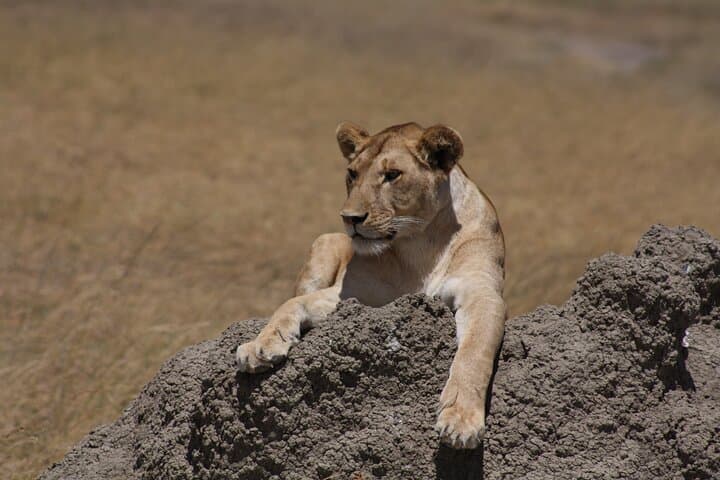
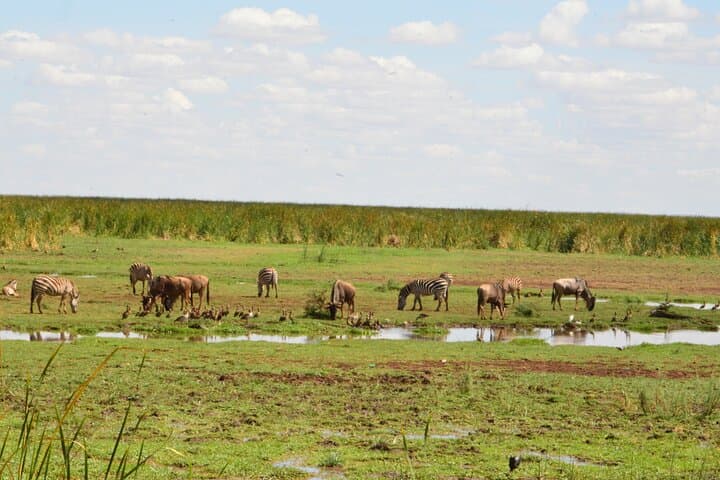
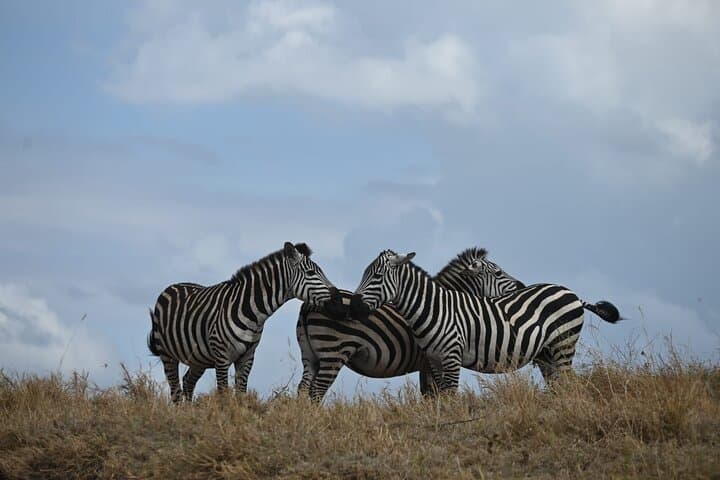
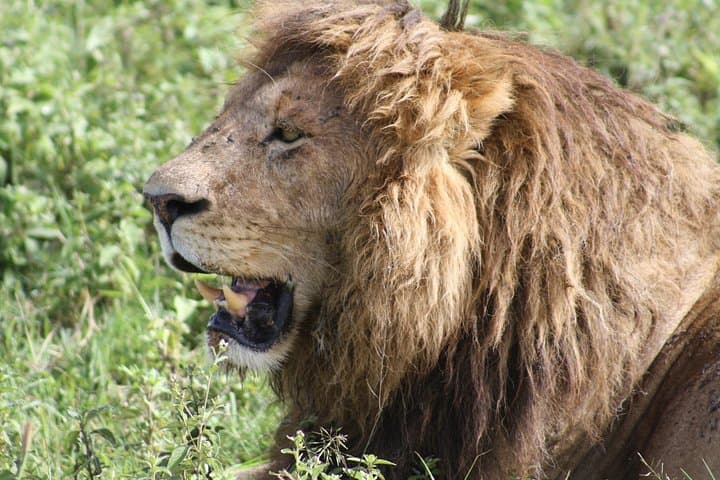
Dawn breaks over an open roof and the engine hums — the Land Cruiser eases onto a dusty track and the world of East African wildlife unfolds. In Tarangire, elephant herds move like slow tides among sculptural baobabs; across the Serengeti the plain stretches, wind pressing grass into ripples that push the eye to the horizon; then the Ngorongoro Crater drops away beneath you, a volcanic bowl that holds lakes, flamingos and vast predator-prey theater.
Dawn breaks over an open roof and the engine hums — the Land Cruiser eases onto a dusty track and the world of East African wildlife unfolds. In Tarangire, elephant herds move like slow tides among sculptural baobabs; across the Serengeti the plain stretches, wind pressing grass into ripples that push the eye to the horizon; then the Ngorongoro Crater drops away beneath you, a volcanic bowl that holds lakes, flamingos and vast predator-prey theater.
This four-day group camping safari threads three of Tanzania’s iconic conservation areas. Tarangire is known for its seasonal concentrations of elephants and baobabs; the Serengeti’s Seronera valley is geologically old, a riverine lifeline that concentrates game year-round; Ngorongoro is a collapsed volcanic caldera, a natural amphitheater formed roughly two to three million years ago that sustains dense populations because of permanent water in its basin.
Culturally the region is Maasai country — herders with a deep, present knowledge of wildlife movement — and local lodges and camps often partner with conservation initiatives.
Practical guidance: expect long game-drive days and basic campsite comforts. Vehicles are high-clearance 4x4s; wear sturdy shoes for short walks at camps and shaded layers for fluctuating highs and cool crater mornings. Hydrate, carry binoculars and a charged power bank. Plan pickups from Arusha and confirm park fees and vehicle seating in advance. Morning and late-afternoon drives are best for predator activity; mid-day is for birds and resting grazers. Travel respectfully: keep distance from wildlife, follow guides’ instructions, and pack out what you bring in. The landscape will feel alive and deliberate — move with it.