
3-Day Tarangire, Ngorongoro & Lake Manyara Safari from Zanzibar
Three days of concentrated safari across Tarangire, Ngorongoro Crater and Lake Manyara—big herds, crater concentrates, and forested lakes on a compact loop from Zanzibar. Expect early starts, pop-up-roof game drives, and lodge nights in Karatu.
An Adventure In Arusha.
Three days of concentrated safari across Tarangire, Ngorongoro Crater and Lake Manyara—big herds, crater concentrates, and forested lakes on a compact loop from Zanzibar. Expect early starts, pop-up-roof game drives, and lodge nights in Karatu.
Read the full experience
Dust rises from the 4x4 as the sun cracks open over the savannah; baobab silhouettes puncture the horizon and an elephant herd moves like a slow tide toward the Tarangire River. On this compact three-day circuit you move through three distinct landscapes—Tarangire’s flat floodplains and baobab stands, the closed bowl of Ngorongoro Crater, and the forest-meets-lake mosaic of Lake Manyara—each offering a different rhythm of wildlife and light.
Dust rises from the 4x4 as the sun cracks open over the savannah; baobab silhouettes puncture the horizon and an elephant herd moves like a slow tide toward the Tarangire River. On this compact three-day circuit you move through three distinct landscapes—Tarangire’s flat floodplains and baobab stands, the closed bowl of Ngorongoro Crater, and the forest-meets-lake mosaic of Lake Manyara—each offering a different rhythm of wildlife and light.
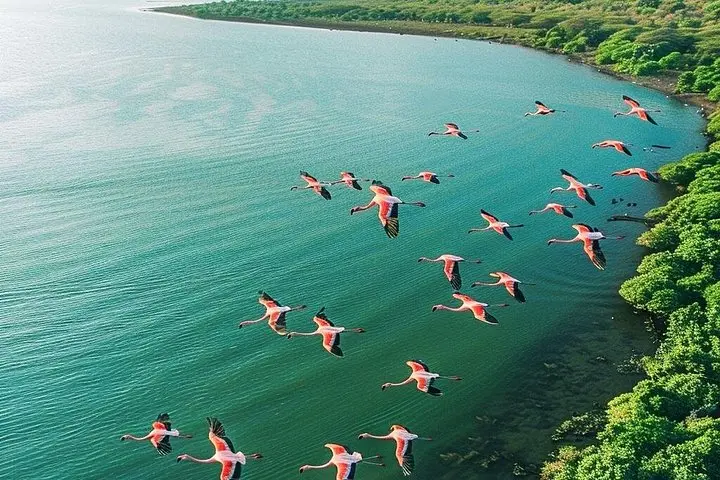
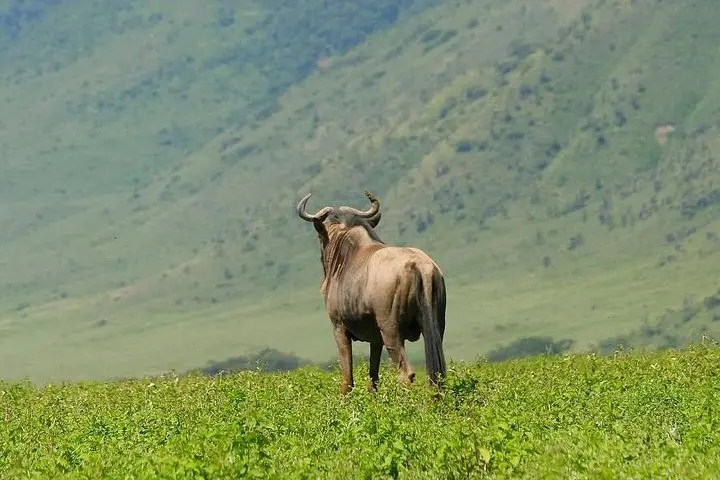
Geologically the itinerary rides the edge of the East African Rift: Ngorongoro is a collapsed volcanic caldera roughly 600 meters deep, a natural amphitheater that concentrates animals and creates exceptional predator-prey viewing. Tarangire’s seasonal river system determines herd movements, while Lake Manyara’s alkaline shallows attract waterbirds and hippos. Culturally, the circuit passes Maasai and Iraqw lands—opportunities to observe pastoral life and market days in Karatu if time allows.
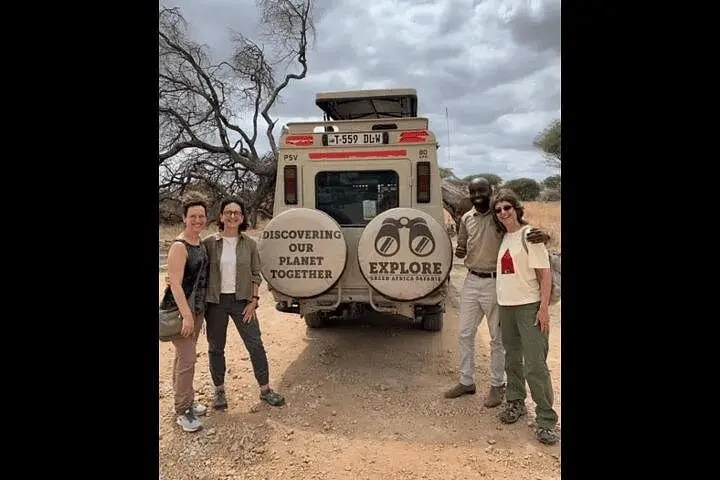
Expect full-day game drives from a pop-up-roof 4x4, early starts to catch predators at dawn, and afternoons at a comfortable lodge in Karatu. Guides manage park permits and routes to maximize sightings; all park fees, meals, and accommodation are typically included. Bring binoculars, sun protection, and layered clothing for cool crater mornings. Mobile signal is patchy; download confirmations and keep copies of passport info.
Practically: plan airport transfers around Kilimanjaro (JRO) or Stone Town connections, budget for tips and optional cultural visits, and prioritize early-season bookings (June–October) for peak dry-season concentration of game. This is a short, wildlife-dense safari designed for high-impact viewing without multi-week travel.
Frequently asked questions
Most packaged safaris include park fees, accommodation, meals listed in the itinerary, and private 4x4 transport—confirm inclusions at booking.
Yellow fever proof may be required depending on point of origin; malaria prophylaxis is advised for northern Tanzania—check with a travel health clinic well before travel.
Expect several hours of road travel: Arusha to Tarangire (~2–3 hours), Tarangire to Karatu/Ngorongoro (~3–4 hours), and Karatu to Lake Manyara (~1–1.5 hours), depending on conditions.
Tipping is customary; a guideline is $10–20 per person per day for guides, and smaller amounts for lodge staff—bring small bills in USD.
About This Experience
Explore Green Africa Safaris operates guided outdoor trips and adventures with an emphasis on safety, stewardship, and memorable experiences.
Adventure tips
Recommended gear
- Binoculars (8x–10x): Essential for spotting distant predators, birds, and small details without disturbing wildlife.
- Sun hat and high-SPF sunscreen: Open savannah and crater rims offer little shade; sun protection is crucial during daytime drives.
- Lightweight insulating layer: Mornings in Ngorongoro can dip sharply—pack a warm fleece or down layer for early drives.
- Sturdy closed-toe shoes: Useful for lodge walks, short nature walks, and getting in and out of vehicles on uneven ground.
Photos of the experience

Related adventures & guides
Read the full experience
Dust rises from the 4x4 as the sun cracks open over the savannah; baobab silhouettes puncture the horizon and an elephant herd moves like a slow tide toward the Tarangire River. On this compact three-day circuit you move through three distinct landscapes—Tarangire’s flat floodplains and baobab stands, the closed bowl of Ngorongoro Crater, and the forest-meets-lake mosaic of Lake Manyara—each offering a different rhythm of wildlife and light.
Dust rises from the 4x4 as the sun cracks open over the savannah; baobab silhouettes puncture the horizon and an elephant herd moves like a slow tide toward the Tarangire River. On this compact three-day circuit you move through three distinct landscapes—Tarangire’s flat floodplains and baobab stands, the closed bowl of Ngorongoro Crater, and the forest-meets-lake mosaic of Lake Manyara—each offering a different rhythm of wildlife and light.
Geologically the itinerary rides the edge of the East African Rift: Ngorongoro is a collapsed volcanic caldera roughly 600 meters deep, a natural amphitheater that concentrates animals and creates exceptional predator-prey viewing. Tarangire’s seasonal river system determines herd movements, while Lake Manyara’s alkaline shallows attract waterbirds and hippos. Culturally, the circuit passes Maasai and Iraqw lands—opportunities to observe pastoral life and market days in Karatu if time allows.
Expect full-day game drives from a pop-up-roof 4x4, early starts to catch predators at dawn, and afternoons at a comfortable lodge in Karatu. Guides manage park permits and routes to maximize sightings; all park fees, meals, and accommodation are typically included. Bring binoculars, sun protection, and layered clothing for cool crater mornings. Mobile signal is patchy; download confirmations and keep copies of passport info.
Practically: plan airport transfers around Kilimanjaro (JRO) or Stone Town connections, budget for tips and optional cultural visits, and prioritize early-season bookings (June–October) for peak dry-season concentration of game. This is a short, wildlife-dense safari designed for high-impact viewing without multi-week travel.
Make a day of it nearby.
Verified experiences and guided adventures in the surrounding area.