THE ADVENTURE COLLECTIVE® · Independent discovery and booking for outdoor travel

A three-day circuit through Tarangire, Lake Manyara and Ngorongoro that pairs intense wildlife viewing with cultural encounters. Learn what to expect on game drives, where to look for iconic species, and how to prepare for varying terrain and weather.
A three-day circuit through Tarangire, Lake Manyara and Ngorongoro that pairs intense wildlife viewing with cultural encounters. Learn what to expect on game drives, where to look for iconic species, and how to prepare for varying terrain and weather.
Morning dust lifts as the safari vehicle eases onto a red clay track and the first giraffe of the day pauses to study the new arrival. Over three days travelers move through shifting ecosystems — the tangled acacia and groundwater plains of Tarangire, the swamp-lined shores of Lake Manyara, and the vast bowl of Ngorongoro Crater where wildlife gathers in dense, dramatic numbers.
Verified experiences and guided adventures in the surrounding area.
Operated by FraFri Adventure Escapes · Arusha, Arusha Region
Morning dust lifts as the safari vehicle eases onto a red clay track and the first giraffe of the day pauses to study the new arrival. Over three days travelers move through shifting ecosystems — the tangled acacia and groundwater plains of Tarangire, the swamp-lined shores of Lake Manyara, and the vast bowl of Ngorongoro Crater where wildlife gathers in dense, dramatic numbers.
These places are geological pages: Tarangire’s baobab-dotted savanna sits on ancient basement rock, Lake Manyara is fed by groundwater springs and volcanic faultlines, and Ngorongoro is a collapsed volcanic caldera formed when a massive volcano blew its top. Culturally, the route threads Maasai grazing lands and small farming communities whose rhythms and craft often punctuate the drive between parks.
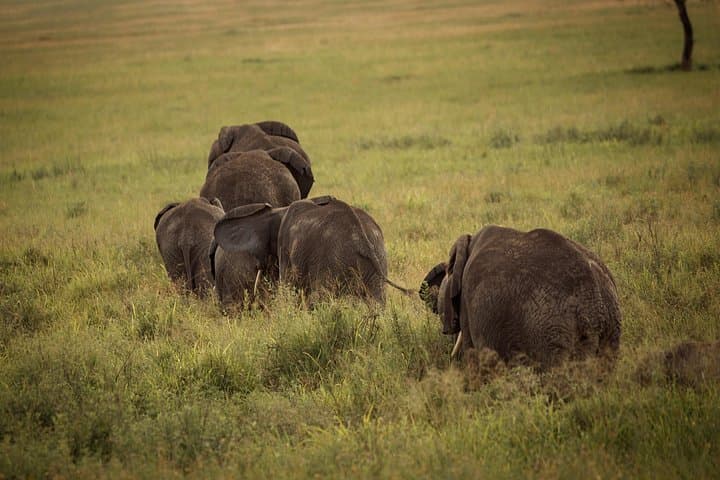
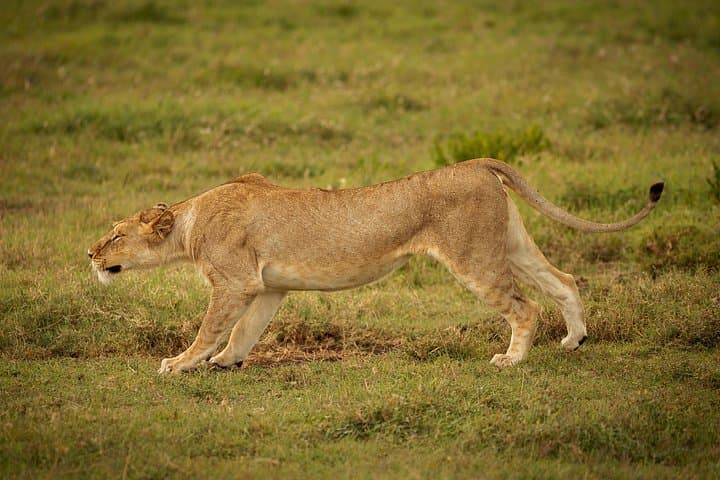
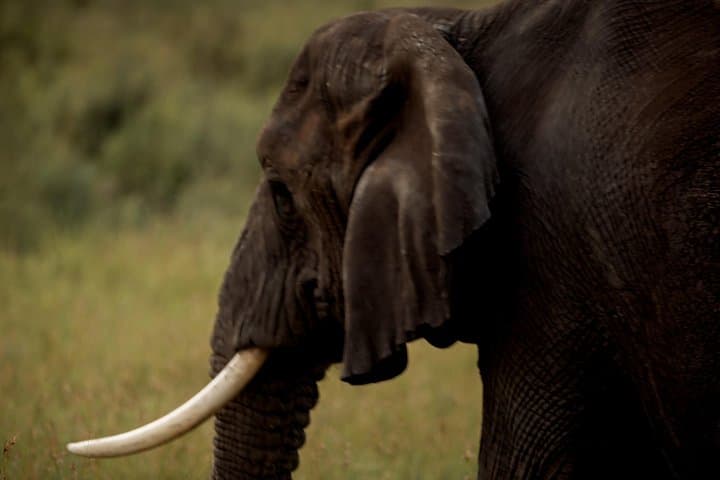
Expect game drives paced for sightings — elephants moving like slow weather systems, lions resting in branches at Lake Manyara, and flamingos dotting the lake’s shallows when conditions favor them. Guides read animal behavior and terrain; you’ll ride in a private vehicle with park entry fees included, pausing for picnic lunches and short walks where permitted.
Practicalities: travel light but bring layers for early-morning cold and midday heat, a decent pair of binoculars and a camera with a telephoto lens, and medical essentials for remote travel. Road conditions can be rough; motion comfort and flexibility with schedule are part of the experience. Carry cash for small tips and local purchases, hydrate regularly, and follow your guide’s safety brief — wildlife is wild, and the best views reward patience and quiet observation.
easy.
3 days.
Suitable for travelers with basic mobility; long vehicle drives and short walks are typical, no special fitness required
Yes — the itinerary is family-friendly and rated physically easy, but parents should ensure children remain in vehicles and follow guide instructions around wildlife.
June–October are Tanzania’s dry months and offer the most predictable wildlife viewing; short rains (Nov–Dec) and long rains (Mar–May) change road conditions and bird presence.
Yes — the tour description indicates park entry fees, most meals listed, and accommodation per itinerary are included; check your booking confirmation for specifics.
Consult a travel health clinic for up-to-date vaccine and malaria prophylaxis advice; carry insect repellent and sleep under treated nets where recommended.
The Ngorongoro Crater is a collapsed volcanic caldera; the wider region has long been home to Maasai pastoralists whose grazing routes intersect park boundaries.
The Ngorongoro Conservation Area balances wildlife protection with local livelihoods; follow park rules to minimize disturbance, and support local guides and community-run enterprises when possible.
FraFri Adventure Escapes operates guided outdoor trips and adventures with an emphasis on safety, stewardship, and memorable experiences.
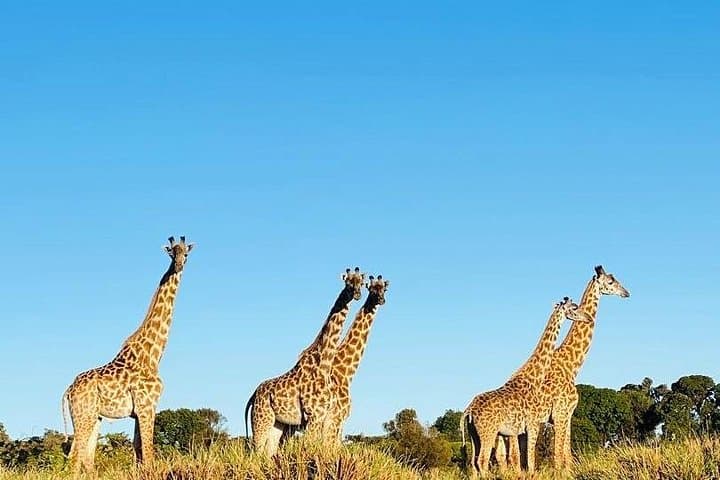
Morning dust lifts as the safari vehicle eases onto a red clay track and the first giraffe of the day pauses to study the new arrival. Over three days travelers move through shifting ecosystems — the tangled acacia and groundwater plains of Tarangire, the swamp-lined shores of Lake Manyara, and the vast bowl of Ngorongoro Crater where wildlife gathers in dense, dramatic numbers.
Morning dust lifts as the safari vehicle eases onto a red clay track and the first giraffe of the day pauses to study the new arrival. Over three days travelers move through shifting ecosystems — the tangled acacia and groundwater plains of Tarangire, the swamp-lined shores of Lake Manyara, and the vast bowl of Ngorongoro Crater where wildlife gathers in dense, dramatic numbers.
These places are geological pages: Tarangire’s baobab-dotted savanna sits on ancient basement rock, Lake Manyara is fed by groundwater springs and volcanic faultlines, and Ngorongoro is a collapsed volcanic caldera formed when a massive volcano blew its top. Culturally, the route threads Maasai grazing lands and small farming communities whose rhythms and craft often punctuate the drive between parks.
Expect game drives paced for sightings — elephants moving like slow weather systems, lions resting in branches at Lake Manyara, and flamingos dotting the lake’s shallows when conditions favor them. Guides read animal behavior and terrain; you’ll ride in a private vehicle with park entry fees included, pausing for picnic lunches and short walks where permitted.
Practicalities: travel light but bring layers for early-morning cold and midday heat, a decent pair of binoculars and a camera with a telephoto lens, and medical essentials for remote travel. Road conditions can be rough; motion comfort and flexibility with schedule are part of the experience. Carry cash for small tips and local purchases, hydrate regularly, and follow your guide’s safety brief — wildlife is wild, and the best views reward patience and quiet observation.