THE ADVENTURE COLLECTIVE® · Independent discovery and booking for outdoor travel

Three days of camping across Tarangire, Lake Manyara and Ngorongoro drop you into some of Tanzania’s most concentrated wildlife habitat. This vehicle-based itinerary blends close-up game drives with two nights under canvas and practical, included camping services.
Three days of camping across Tarangire, Lake Manyara and Ngorongoro drop you into some of Tanzania’s most concentrated wildlife habitat. This vehicle-based itinerary blends close-up game drives with two nights under canvas and practical, included camping services.
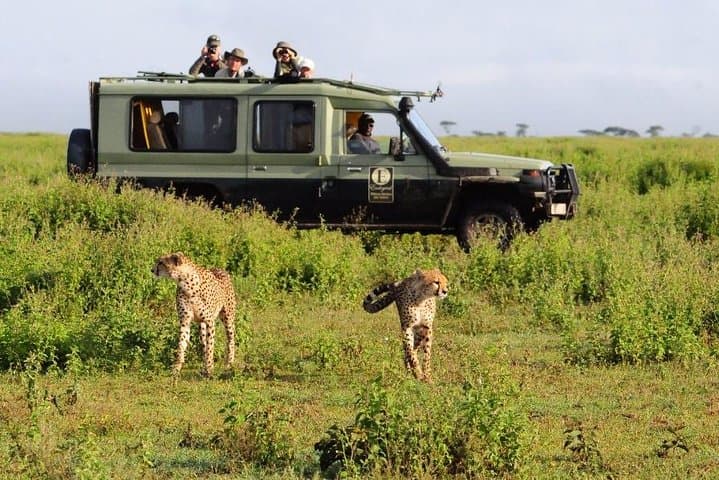
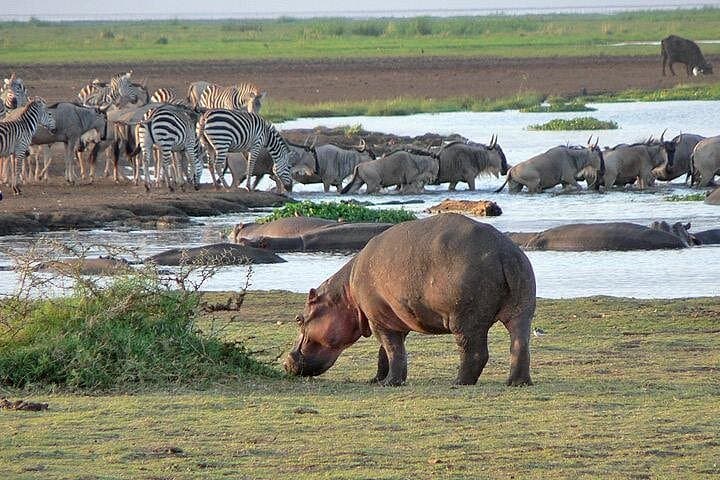
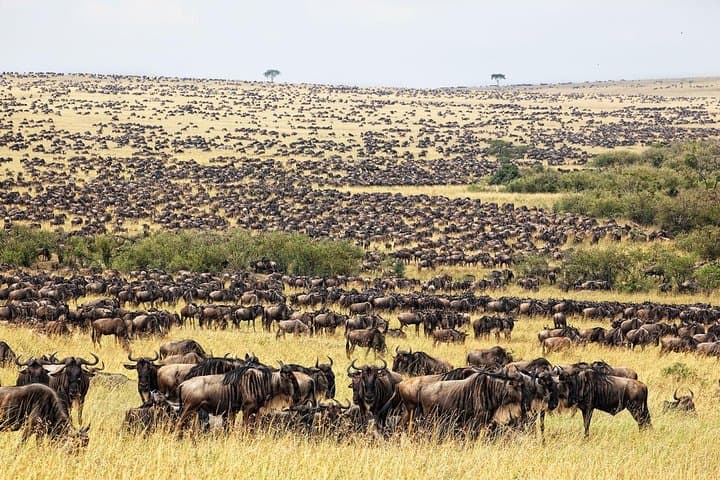
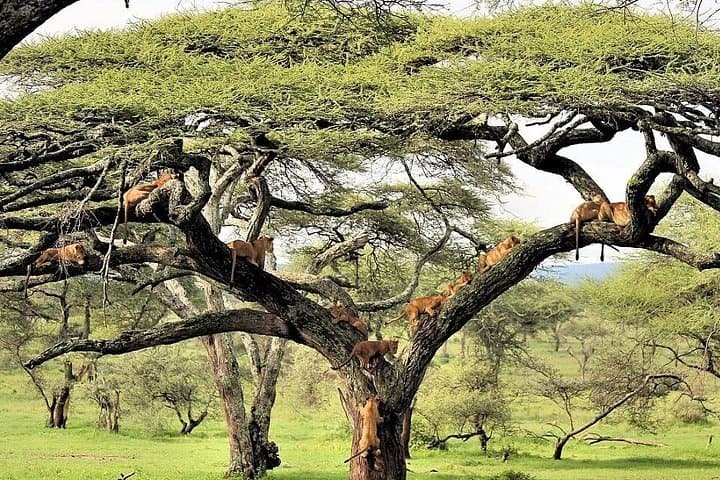
Dawn arrives soft and dry over the northern Tanzanian plains as a Land Cruiser pulls away from Arusha, headlights cutting through early mist. By midmorning your route opens onto Tarangire’s rolling grasslands where ancient baobabs tower and the Tarangire River dares herds of elephant to gather at its banks. The next day brings the shallow soda mirror of Lake Manyara beneath the Rift Valley escarpment, a place of flamingos and, famously, tree-climbing lions. On the final morning you descend the 2,000-foot rim into Ngorongoro’s vast caldera — a self-contained amphitheater where short grasses make sightings unusually easy.
Verified experiences and guided adventures in the surrounding area.
Operated by Gracepatt Safaris · Arusha, Arusha Region
Dawn arrives soft and dry over the northern Tanzanian plains as a Land Cruiser pulls away from Arusha, headlights cutting through early mist. By midmorning your route opens onto Tarangire’s rolling grasslands where ancient baobabs tower and the Tarangire River dares herds of elephant to gather at its banks. The next day brings the shallow soda mirror of Lake Manyara beneath the Rift Valley escarpment, a place of flamingos and, famously, tree-climbing lions. On the final morning you descend the 2,000-foot rim into Ngorongoro’s vast caldera — a self-contained amphitheater where short grasses make sightings unusually easy.
Geology and culture are visible in the same sweep: the crater is an extinct volcano turned wildlife basin, while the Ngorongoro Conservation Area reflects a long negotiation between pastoral Maasai grazing traditions and modern conservation. Expect close encounters with elephants, flamingos and plains game; black rhino are present but rare. Camp life is practical and communal — two nights in basic camps with provided mattresses, meals around a cook’s fire, and game drives in a 4x4.
Practicalities: this is a vehicle-based, easy-paced camping safari — long drives, early wake-ups and short walks. Park fees, most meals and camping equipment are included; bring sun protection, a warm layer for mornings on the crater rim, malaria precautions, and good binoculars. Respect park rules and wildlife distances, tip your guide if satisfied, and time your visit in the dry season for the most reliable roads and concentrated game viewing.
easy.
3 days.
Suitable for most travelers who can handle several hours in a vehicle and short, easy walks; expect early starts.
Basic camping with provided tents, mattresses, chairs and cook service; camps are functional rather than luxury lodges.
Yes — national park and conservation area fees are included in the itinerary price.
Consult a travel clinic before departure; malaria prophylaxis is commonly recommended for northern Tanzania and routine vaccines should be up to date.
Expect long 4x4 transfers between parks and Arusha with game drives each day; most time is vehicle-based rather than hiking.
Ngorongoro’s caldera formed from a volcanic collapse; the surrounding conservation area was established to balance Maasai pastoralism with wildlife protection.
The Ngorongoro Conservation Area models human–wildlife coexistence; visitors are encouraged to minimize waste, follow park rules and support community-run tourism.
Gracepatt Safaris operates guided outdoor trips and adventures with an emphasis on safety, stewardship, and memorable experiences.
Dawn arrives soft and dry over the northern Tanzanian plains as a Land Cruiser pulls away from Arusha, headlights cutting through early mist. By midmorning your route opens onto Tarangire’s rolling grasslands where ancient baobabs tower and the Tarangire River dares herds of elephant to gather at its banks. The next day brings the shallow soda mirror of Lake Manyara beneath the Rift Valley escarpment, a place of flamingos and, famously, tree-climbing lions. On the final morning you descend the 2,000-foot rim into Ngorongoro’s vast caldera — a self-contained amphitheater where short grasses make sightings unusually easy.
Dawn arrives soft and dry over the northern Tanzanian plains as a Land Cruiser pulls away from Arusha, headlights cutting through early mist. By midmorning your route opens onto Tarangire’s rolling grasslands where ancient baobabs tower and the Tarangire River dares herds of elephant to gather at its banks. The next day brings the shallow soda mirror of Lake Manyara beneath the Rift Valley escarpment, a place of flamingos and, famously, tree-climbing lions. On the final morning you descend the 2,000-foot rim into Ngorongoro’s vast caldera — a self-contained amphitheater where short grasses make sightings unusually easy.
Geology and culture are visible in the same sweep: the crater is an extinct volcano turned wildlife basin, while the Ngorongoro Conservation Area reflects a long negotiation between pastoral Maasai grazing traditions and modern conservation. Expect close encounters with elephants, flamingos and plains game; black rhino are present but rare. Camp life is practical and communal — two nights in basic camps with provided mattresses, meals around a cook’s fire, and game drives in a 4x4.
Practicalities: this is a vehicle-based, easy-paced camping safari — long drives, early wake-ups and short walks. Park fees, most meals and camping equipment are included; bring sun protection, a warm layer for mornings on the crater rim, malaria precautions, and good binoculars. Respect park rules and wildlife distances, tip your guide if satisfied, and time your visit in the dry season for the most reliable roads and concentrated game viewing.