THE ADVENTURE COLLECTIVE® · Independent discovery and booking for outdoor travel

Spend three days camping across Tarangire, Lake Manyara and Ngorongoro Crater for concentrated game viewing, rich birdlife, and close cultural encounters with Maasai country. This route pairs intimate camping with professional guiding for early-morning and late-afternoon drives.
Spend three days camping across Tarangire, Lake Manyara and Ngorongoro Crater for concentrated game viewing, rich birdlife, and close cultural encounters with Maasai country. This route pairs intimate camping with professional guiding for early-morning and late-afternoon drives.
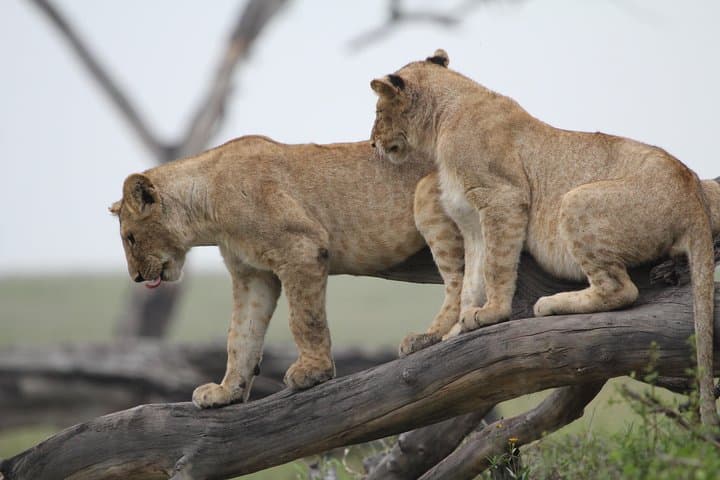
Dawn light paints acacia trunks gold as the Land Cruiser hums off-road, the pop-up roof opening like a second set of eyes. Dust lifts from elephant tracks and a distant lion sniffs the morning; your group settles into slow, deliberate observation—this is safari travel at eye level.
Verified experiences and guided adventures in the surrounding area.
Operated by Face of Africa Adventures · Arusha, Arusha Region
Dawn light paints acacia trunks gold as the Land Cruiser hums off-road, the pop-up roof opening like a second set of eyes. Dust lifts from elephant tracks and a distant lion sniffs the morning; your group settles into slow, deliberate observation—this is safari travel at eye level.
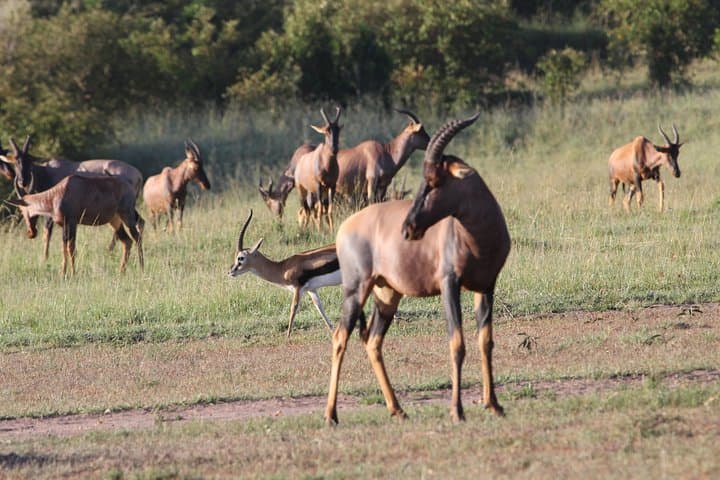
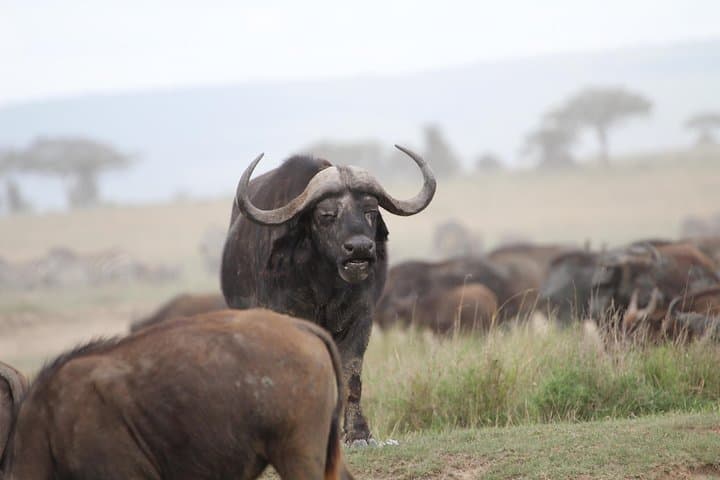
The route follows three iconic ecosystems. Tarangire’s riverine corridors and baobab stands concentrate elephants and large herds; Lake Manyara’s shallow alkaline waters attract flocks of pelicans and the odd tree-climbing lion; Ngorongoro’s vast caldera—a volcanic collapse formed millions of years ago—contains a dense mosaic of grassland, forest and marsh where rhino, buffalo and predators coexist within a natural bowl.
Local Maasai pastoralists share the landscape and cultural threads run alongside geological ones—sacred highlands and grazing patterns affect animal movements. Birdwatching here ranges from stately kori bustards to colorful hornbills; geology offers visible layers of ancient eruptions and sediment that shaped the crater rim.
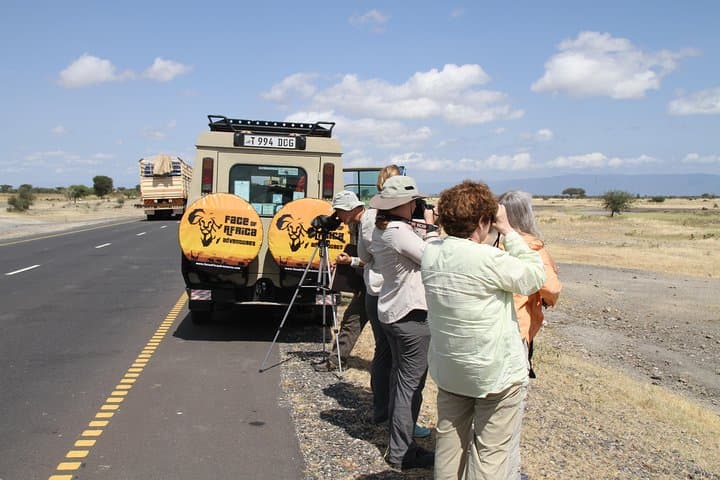
Practically: expect long game-drive days with early starts and 4x4 transfers between parks (2–3 hours between most stops). Camps use supplied tents and mattresses; park fees are included in many packages but bring cash and documentation for permits. Layered clothing handles cool crater mornings and hot mid-day plains; binoculars, a telephoto lens and sunscreen improve sightings and comfort. Respect distance rules—close encounters are rare and dangerous. Hydrate, follow your guide’s instructions, and be ready for roadside stops to watch a pride or a lone bull elephant rewrite the day’s plan.
moderate.
3 days (≈72 hours).
Suitable for travelers in average physical condition who can manage several hours of sitting in vehicles and short walks at camps.
Many operators include park entry fees and conservation levies—confirm on booking and carry identification for permits.
This itinerary uses campsite accommodation with tents and mattresses; some camps provide basic showers and shared facilities.
Yes—children can join but policies vary by operator; infants often must sit on laps and special seats may be arranged.
The dry season (June–October) concentrates wildlife around water sources and is generally best for sightings, though wet seasons offer lush scenery and migratory birds.
Ngorongoro formed when a large volcano collapsed millions of years ago; the area has long been occupied by pastoral Maasai communities who manage grazing rights alongside conservation zones.
The Ngorongoro Conservation Area balances wildlife protection with pastoral livelihoods—visitors should follow park rules, avoid single-use plastics, and support local guides and community-run services.
Face of Africa Adventures operates guided outdoor trips and adventures with an emphasis on safety, stewardship, and memorable experiences.
Dawn light paints acacia trunks gold as the Land Cruiser hums off-road, the pop-up roof opening like a second set of eyes. Dust lifts from elephant tracks and a distant lion sniffs the morning; your group settles into slow, deliberate observation—this is safari travel at eye level.
Dawn light paints acacia trunks gold as the Land Cruiser hums off-road, the pop-up roof opening like a second set of eyes. Dust lifts from elephant tracks and a distant lion sniffs the morning; your group settles into slow, deliberate observation—this is safari travel at eye level.
The route follows three iconic ecosystems. Tarangire’s riverine corridors and baobab stands concentrate elephants and large herds; Lake Manyara’s shallow alkaline waters attract flocks of pelicans and the odd tree-climbing lion; Ngorongoro’s vast caldera—a volcanic collapse formed millions of years ago—contains a dense mosaic of grassland, forest and marsh where rhino, buffalo and predators coexist within a natural bowl.
Local Maasai pastoralists share the landscape and cultural threads run alongside geological ones—sacred highlands and grazing patterns affect animal movements. Birdwatching here ranges from stately kori bustards to colorful hornbills; geology offers visible layers of ancient eruptions and sediment that shaped the crater rim.
Practically: expect long game-drive days with early starts and 4x4 transfers between parks (2–3 hours between most stops). Camps use supplied tents and mattresses; park fees are included in many packages but bring cash and documentation for permits. Layered clothing handles cool crater mornings and hot mid-day plains; binoculars, a telephoto lens and sunscreen improve sightings and comfort. Respect distance rules—close encounters are rare and dangerous. Hydrate, follow your guide’s instructions, and be ready for roadside stops to watch a pride or a lone bull elephant rewrite the day’s plan.