THE ADVENTURE COLLECTIVE® · Independent discovery and booking for outdoor travel

Swap Arugam Bay’s surf for a cool hike to Upper Diyaluma, Sri Lanka’s dramatic second‑highest waterfall. This guided shuttle-and-hike pairs countryside driving with off‑trail walking, natural pools and a village lunch en route to Ella.
Swap Arugam Bay’s surf for a cool hike to Upper Diyaluma, Sri Lanka’s dramatic second‑highest waterfall. This guided shuttle-and-hike pairs countryside driving with off‑trail walking, natural pools and a village lunch en route to Ella.
You leave the heat of Arugam Bay behind and watch the coastline compress into paddy fields and rolling hills; by the time you reach the Diyaluma plateau the air has cooled and grasses tug at your ankles like patient guides.
Verified experiences and guided adventures in the surrounding area.
Operated by Tuktukdude Leisure · Ella, Uva Province
You leave the heat of Arugam Bay behind and watch the coastline compress into paddy fields and rolling hills; by the time you reach the Diyaluma plateau the air has cooled and grasses tug at your ankles like patient guides.
Upper Diyaluma is the second–highest waterfall in Sri Lanka, pouring from a high escarpment fed by central mountain streams. The geology here is a mix of weathered schist and granite outcrops carved by persistent rain, producing layered cascades and natural plunge pools. The surrounding villages are part of the island’s hill-country culture—tea smallholdings, rural eateries, and a history of colonial-era road-building that opened these slopes to visitors and tea planters.
The guided route follows off‑track footpaths through grass forest, over shallow stream crossings and across uneven, sunlit slopes until the falls reveal themselves with a rising thunder of water. You’ll find shallow natural pools for a cool dip, wide viewpoints for tea-plantation panoramas and a simple village lunch afterward that reflects local flavors and rice-and-curry traditions.
Practicalities: expect a mostly moderate-grade 2–3 km hike with some short, steeper sections and variable footing—grass-covered trails can be slick after rain. Bring a dry bag for electronics, quick-dry swimwear and shoes with good traction. Start early to avoid mid-day heat and ask your guide about water levels; access to certain pools can change after heavy rains. Respect village spaces, pack out rubbish, and avoid soaps in the pools to protect freshwater ecosystems.
moderate.
4 hours.
Moderate fitness required: comfortable walking on uneven terrain, short steep sections and stream crossings.
The guided portion is short—roughly 2–3 km with varied terrain—often completed within 1–2 hours depending on stops and group pace.
Yes, most natural pools are swim-friendly but check with your guide for safety and avoid using soaps or shampoos.
Yes; the tour includes hotel pickup and drop-off in Arugam Bay before the transfer to Ella.
Not recommended for infants on laps only and those with spinal, heart conditions, or limited mobility due to uneven trails and some steep sections.
The hill country was transformed in the 19th century by colonial road-building and tea cultivation; many rural tracks today follow older footpaths used by local communities.
Stick to established paths, carry out all waste and avoid introducing soaps or plastics into freshwater pools to protect local streams and aquatic life.
Tuktukdude Leisure operates guided outdoor trips and adventures with an emphasis on safety, stewardship, and memorable experiences.


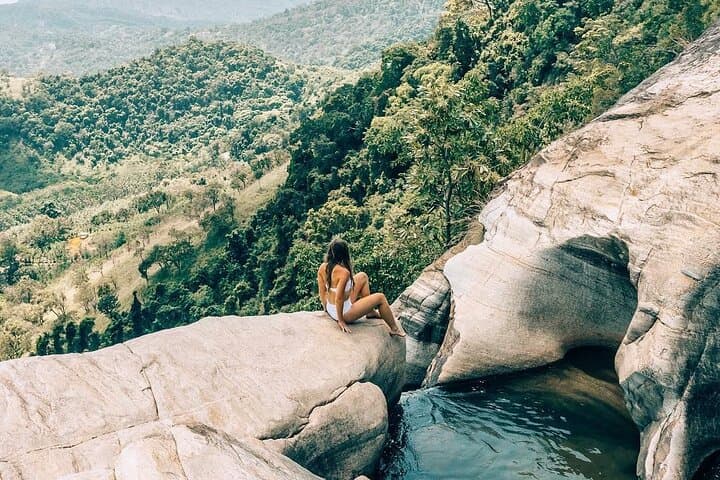
You leave the heat of Arugam Bay behind and watch the coastline compress into paddy fields and rolling hills; by the time you reach the Diyaluma plateau the air has cooled and grasses tug at your ankles like patient guides.
You leave the heat of Arugam Bay behind and watch the coastline compress into paddy fields and rolling hills; by the time you reach the Diyaluma plateau the air has cooled and grasses tug at your ankles like patient guides.
Upper Diyaluma is the second–highest waterfall in Sri Lanka, pouring from a high escarpment fed by central mountain streams. The geology here is a mix of weathered schist and granite outcrops carved by persistent rain, producing layered cascades and natural plunge pools. The surrounding villages are part of the island’s hill-country culture—tea smallholdings, rural eateries, and a history of colonial-era road-building that opened these slopes to visitors and tea planters.
The guided route follows off‑track footpaths through grass forest, over shallow stream crossings and across uneven, sunlit slopes until the falls reveal themselves with a rising thunder of water. You’ll find shallow natural pools for a cool dip, wide viewpoints for tea-plantation panoramas and a simple village lunch afterward that reflects local flavors and rice-and-curry traditions.
Practicalities: expect a mostly moderate-grade 2–3 km hike with some short, steeper sections and variable footing—grass-covered trails can be slick after rain. Bring a dry bag for electronics, quick-dry swimwear and shoes with good traction. Start early to avoid mid-day heat and ask your guide about water levels; access to certain pools can change after heavy rains. Respect village spaces, pack out rubbish, and avoid soaps in the pools to protect freshwater ecosystems.