THE ADVENTURE COLLECTIVE® · Independent discovery and booking for outdoor travel

Discover two of Aruba’s best snorkel zones in one half-day outing — calm, shallow Baby Beach and the mangrove-fringed reefs of Mangel Halto. Expect clear water, abundant reef fish, and a guided experience suited to beginners.
Discover two of Aruba’s best snorkel zones in one half-day outing — calm, shallow Baby Beach and the mangrove-fringed reefs of Mangel Halto. Expect clear water, abundant reef fish, and a guided experience suited to beginners.
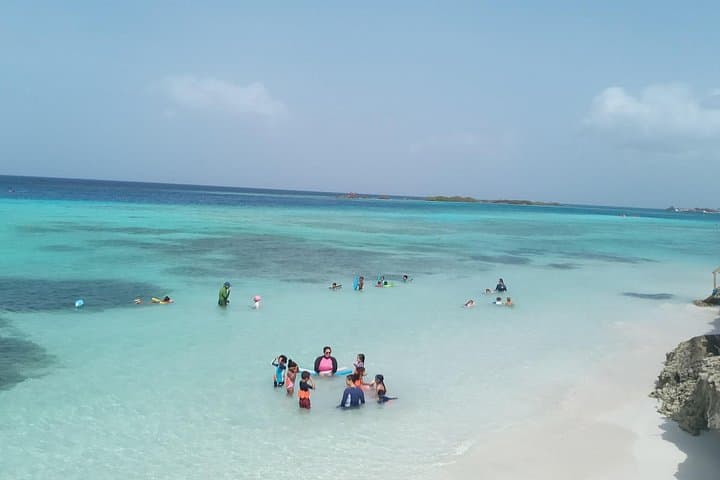
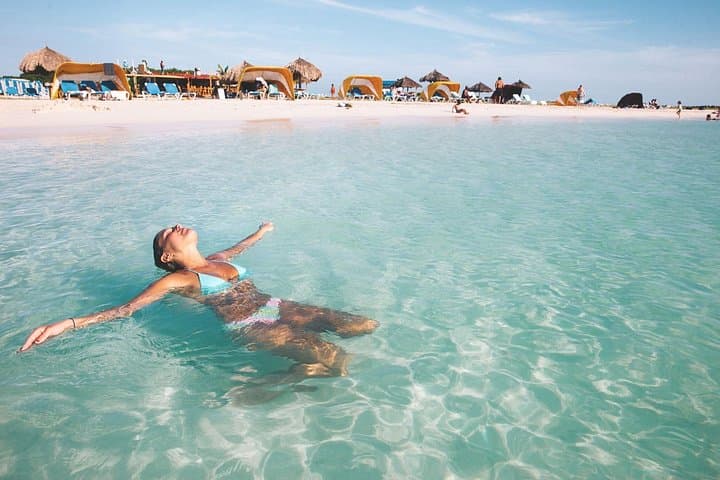
The Caribbean sun lifts off the rim of the sea and spills a ribbon of turquoise across the shoreline; snorkelers slip into warm water and the reef immediately answers with color. This guided tour moves between two contrasting coastal classrooms: the shallow, protected flats of Baby Beach and the mangrove-edged reefs at Mangel Halto, where coral bommies and seagrass beds host curious reef fish.
Verified experiences and guided adventures in the surrounding area.
Operated by Nautilus Dive Center Aruba · San Nicolas, Aruba
The Caribbean sun lifts off the rim of the sea and spills a ribbon of turquoise across the shoreline; snorkelers slip into warm water and the reef immediately answers with color. This guided tour moves between two contrasting coastal classrooms: the shallow, protected flats of Baby Beach and the mangrove-edged reefs at Mangel Halto, where coral bommies and seagrass beds host curious reef fish.
Aruba’s southern coast is part of a limestone shelf shaped by wind, waves and coral growth over millennia. San Nicolas grew as a working port and oil-town neighborhood; today its quieter shores reveal the island’s fishing and snorkeling traditions. Locals fish and swim here, and small-scale tourism centers on low-impact access and respect for fragile reef systems.
Expect high visibility and calm water at Baby Beach — ideal for basic snorkeling and families — and more structure at Mangel Halto where mangrove roots and channels shelter parrotfish, snappers, porcupinefish and occasional moray eels. Guides typically set up from a shore entry or short boat hop, provide masks/snorkels, and point out species and safe reef etiquette.
Practical edge: arrive with reef-safe sunscreen, a lightweight shirt for sun protection, and footwear for rocky entries. Bring extra water and a dry bag for your phone. The tour runs roughly four hours, is suitable for beginner to intermediate snorkelers, and is best scheduled in mornings when winds are lighter. Follow your guide’s brief on currents and avoid touching coral — your fins are the only equipment that should touch the reef.
easy.
4 hours.
Reasonable comfort in open water and ability to swim short distances; suitable for beginners and families
No—this tour is suitable for beginners; guides stay close and provide basic instruction, but you should be comfortable floating and swimming short distances.
You may see rays, sea turtles and a variety of reef fish, but wildlife sightings aren’t guaranteed; guides point out animals when present.
Wear a swimsuit, rash guard or T-shirt, reef-safe sunscreen, and reef shoes or water sandals for rocky entries.
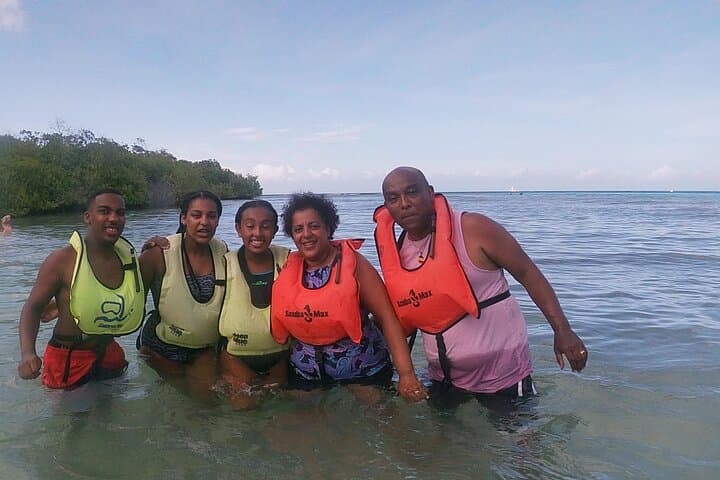
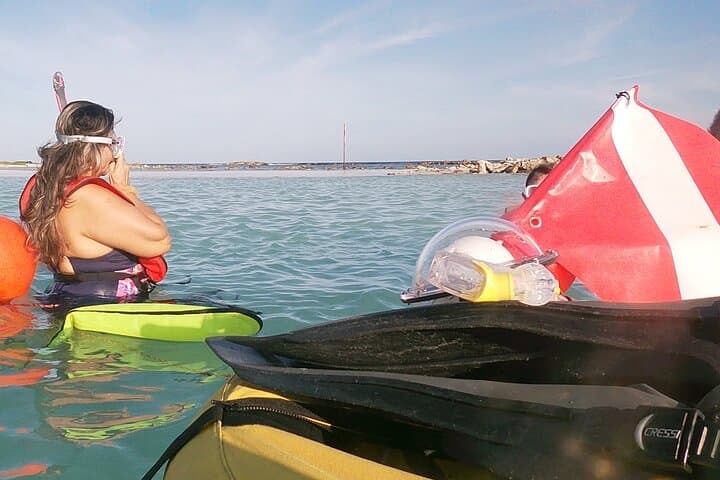
Yes—masks, snorkels and basic flotation are provided; you can bring your own gear for better fit.
San Nicolas’s coastline reflects Aruba’s salt and oil history; local fishers and small communities long used these sheltered bays for fishing and boat access.
Aruba’s reefs are vulnerable to warming and physical damage—practices like using reef-safe sunblock, not touching corals, and following guide instructions reduce impact.
Nautilus Dive Center Aruba operates guided outdoor trips and adventures with an emphasis on safety, stewardship, and memorable experiences.
The Caribbean sun lifts off the rim of the sea and spills a ribbon of turquoise across the shoreline; snorkelers slip into warm water and the reef immediately answers with color. This guided tour moves between two contrasting coastal classrooms: the shallow, protected flats of Baby Beach and the mangrove-edged reefs at Mangel Halto, where coral bommies and seagrass beds host curious reef fish.
The Caribbean sun lifts off the rim of the sea and spills a ribbon of turquoise across the shoreline; snorkelers slip into warm water and the reef immediately answers with color. This guided tour moves between two contrasting coastal classrooms: the shallow, protected flats of Baby Beach and the mangrove-edged reefs at Mangel Halto, where coral bommies and seagrass beds host curious reef fish.
Aruba’s southern coast is part of a limestone shelf shaped by wind, waves and coral growth over millennia. San Nicolas grew as a working port and oil-town neighborhood; today its quieter shores reveal the island’s fishing and snorkeling traditions. Locals fish and swim here, and small-scale tourism centers on low-impact access and respect for fragile reef systems.
Expect high visibility and calm water at Baby Beach — ideal for basic snorkeling and families — and more structure at Mangel Halto where mangrove roots and channels shelter parrotfish, snappers, porcupinefish and occasional moray eels. Guides typically set up from a shore entry or short boat hop, provide masks/snorkels, and point out species and safe reef etiquette.
Practical edge: arrive with reef-safe sunscreen, a lightweight shirt for sun protection, and footwear for rocky entries. Bring extra water and a dry bag for your phone. The tour runs roughly four hours, is suitable for beginner to intermediate snorkelers, and is best scheduled in mornings when winds are lighter. Follow your guide’s brief on currents and avoid touching coral — your fins are the only equipment that should touch the reef.