THE ADVENTURE COLLECTIVE® · Independent discovery and booking for outdoor travel

Swap daytime reef panoramas for a luminous underwater nightscape on a guided 1-tank dive in Aruba. This shore-led experience highlights nocturnal fish, glowing coral activity and compact reef life — with rental gear and dive lights included.
Swap daytime reef panoramas for a luminous underwater nightscape on a guided 1-tank dive in Aruba. This shore-led experience highlights nocturnal fish, glowing coral activity and compact reef life — with rental gear and dive lights included.
The sun slips off Aruba’s western shore and the reef exhales into twilight — lamps flick on and the reef’s daytime rhythms hush. On a guided 1-tank night dive, the ocean takes on a new personality: parrotfish settle, crabs stalk crevices, and coral polyps flare under beams of a dive light. Expect a short surface assembly at a calm shore entry or small boat, then descent into a smaller, concentrated dive focused on nocturnal behavior and reef microhabitats.
Verified experiences and guided adventures in the surrounding area.
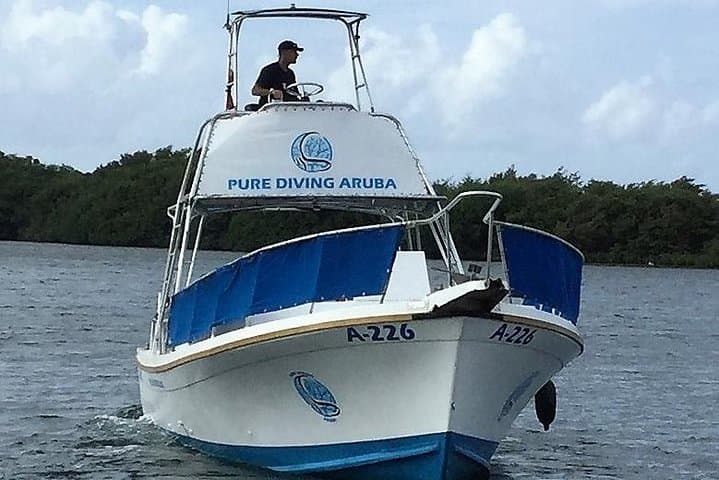
Operated by Pure Diving Aruba · Oranjestad, Aruba
The sun slips off Aruba’s western shore and the reef exhales into twilight — lamps flick on and the reef’s daytime rhythms hush. On a guided 1-tank night dive, the ocean takes on a new personality: parrotfish settle, crabs stalk crevices, and coral polyps flare under beams of a dive light. Expect a short surface assembly at a calm shore entry or small boat, then descent into a smaller, concentrated dive focused on nocturnal behavior and reef microhabitats.
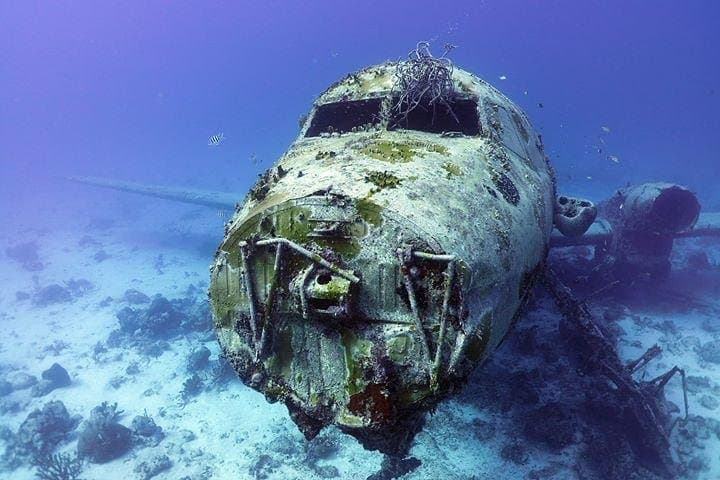
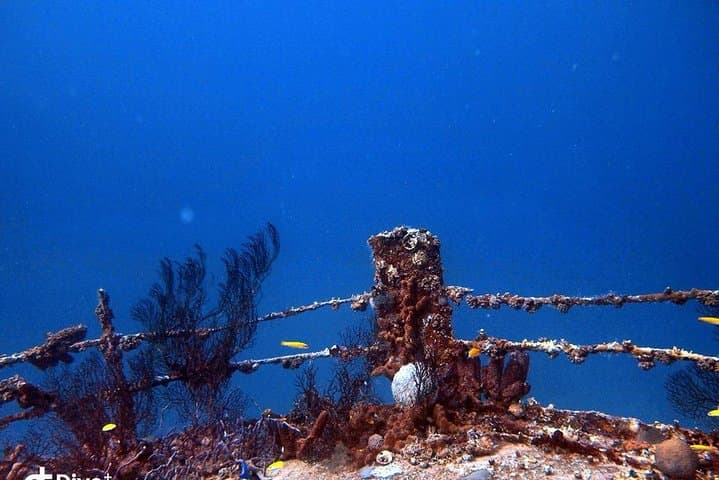
Geologically, Aruba sits on a raised limestone platform; reefs here grow on older coral and shipwrecks, offering compact, sheltered sites that are ideal for night observations. Culturally, diving is part of island life — local operators often combine Dutch-Caribbean friendliness with PADI/SDI standards, and night dives have become a staple for adventurous certified divers.
Practical guidance: operators supply basic rental gear and dive lights, but arrive early to set up and complete the safety briefing. Night dives are typically shallower than long daytime dives (commonly 10–18 m/33–60 ft) and focus on short, controlled swims. Bring a backup light, check your dive computer and surface signaling device, and plan to avoid flying for 24 hours after diving. Conditions are influenced by trade winds and seasonal swell; instructors choose the safest site each evening. For certified divers who’ve logged a recent dive and want a different reef perspective, this is a compact, high-reward experience — intimate, sensory, and instructive under the stars.
moderate.
2–3 hours.
Moderate fitness required—able to carry gear, perform shore or small-boat entries, and swim at a relaxed pace.
Yes — participants must hold a current open water certification; guides may require evidence of recent dives or a refresher if you haven’t dived in two years.
Minimum age is 12; younger divers must meet certification agency age requirements and operator policies.
Night shore dives are usually shallower than deep wreck dives, commonly in the 10–18 m (33–60 ft) range, focusing on reef life and safety profiles.
Yes — this experience includes rental scuba equipment and a dive light, though bringing a personal backup light is recommended.
Aruba’s reefs formed on a limestone platform and have been augmented by historic wrecks that now act as artificial reef habitat.
Operators encourage reef-safe sunscreens, neutral buoyancy, and no-touch policies to reduce coral damage and protect nocturnal species.
Pure Diving Aruba operates guided outdoor trips and adventures with an emphasis on safety, stewardship, and memorable experiences.
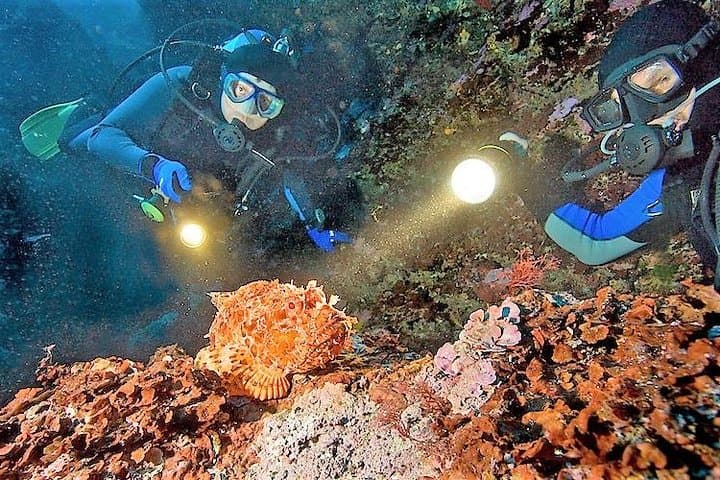
The sun slips off Aruba’s western shore and the reef exhales into twilight — lamps flick on and the reef’s daytime rhythms hush. On a guided 1-tank night dive, the ocean takes on a new personality: parrotfish settle, crabs stalk crevices, and coral polyps flare under beams of a dive light. Expect a short surface assembly at a calm shore entry or small boat, then descent into a smaller, concentrated dive focused on nocturnal behavior and reef microhabitats.
The sun slips off Aruba’s western shore and the reef exhales into twilight — lamps flick on and the reef’s daytime rhythms hush. On a guided 1-tank night dive, the ocean takes on a new personality: parrotfish settle, crabs stalk crevices, and coral polyps flare under beams of a dive light. Expect a short surface assembly at a calm shore entry or small boat, then descent into a smaller, concentrated dive focused on nocturnal behavior and reef microhabitats.
Geologically, Aruba sits on a raised limestone platform; reefs here grow on older coral and shipwrecks, offering compact, sheltered sites that are ideal for night observations. Culturally, diving is part of island life — local operators often combine Dutch-Caribbean friendliness with PADI/SDI standards, and night dives have become a staple for adventurous certified divers.
Practical guidance: operators supply basic rental gear and dive lights, but arrive early to set up and complete the safety briefing. Night dives are typically shallower than long daytime dives (commonly 10–18 m/33–60 ft) and focus on short, controlled swims. Bring a backup light, check your dive computer and surface signaling device, and plan to avoid flying for 24 hours after diving. Conditions are influenced by trade winds and seasonal swell; instructors choose the safest site each evening. For certified divers who’ve logged a recent dive and want a different reef perspective, this is a compact, high-reward experience — intimate, sensory, and instructive under the stars.