THE ADVENTURE COLLECTIVE® · Independent discovery and booking for outdoor travel

A morning two‑tank guided dive off Aruba’s quieter southern coast visits colorful reefs and accessible wrecks like the Jane C and Airplanes. This trip is for certified divers with their own equipment who want guided exploration, strong visibility, and fewer crowds.
A morning two‑tank guided dive off Aruba’s quieter southern coast visits colorful reefs and accessible wrecks like the Jane C and Airplanes. This trip is for certified divers with their own equipment who want guided exploration, strong visibility, and fewer crowds.
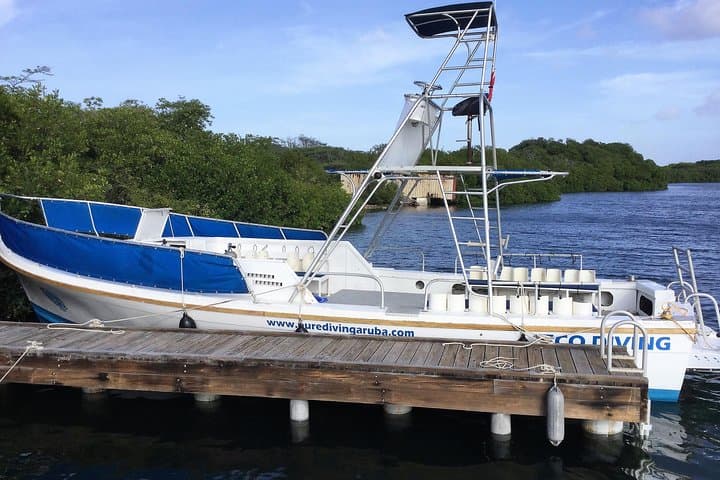
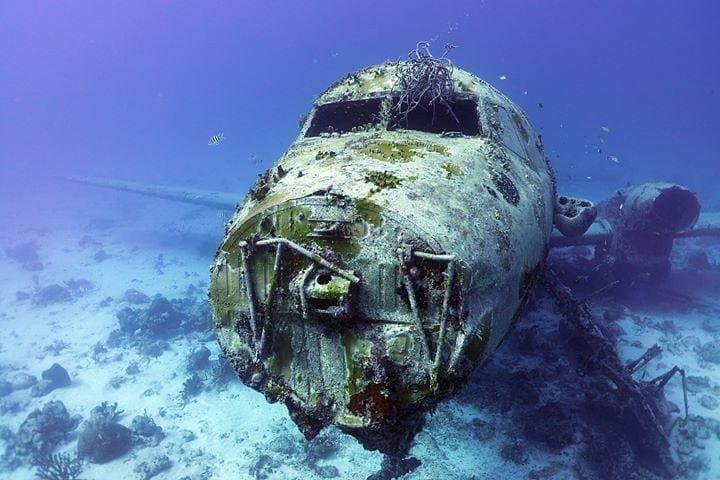
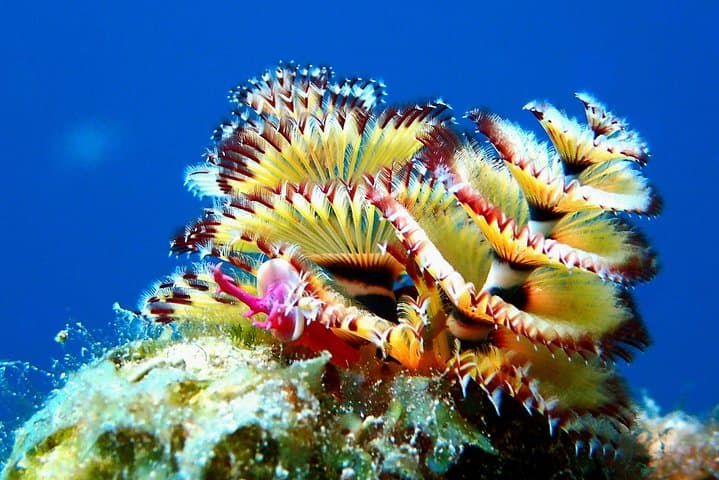
The boat eases out of the harbor by sunrise and the sea opens like a map—shallow coral gardens giving way to drop-offs and the rusted shapes of shipwrecks. On this two‑tank morning run, certified divers leave the crowded north for quieter southern reefs named Anchor, Barcadera and Mangel Halto, and special sites like the Jane C wreck and the Airplanes.
Verified experiences and guided adventures in the surrounding area.
Operated by Pure Diving Aruba · Oranjestad, Aruba
The boat eases out of the harbor by sunrise and the sea opens like a map—shallow coral gardens giving way to drop-offs and the rusted shapes of shipwrecks. On this two‑tank morning run, certified divers leave the crowded north for quieter southern reefs named Anchor, Barcadera and Mangel Halto, and special sites like the Jane C wreck and the Airplanes.
Aruba’s shoreline is limestone formed from ancient coral growth and uplift; currents and trade winds have carved channels and sand flats that concentrate coral heads and sponges. The island’s Dutch-Caribbean culture shows up in small fishing villages and colorful harbors where dive crews still mend nets between trips. Locals historically fished these waters and salvaged wrecks—today those same wrecks shelter parrotfish, amberjacks and schooling snappers.
Practically, expect a 9:00 a.m. departure and a 4‑hour window for two guided dives from a small charter (sometimes shore entries if conditions allow). Guides select sites by wind, swell and group certification levels; depth typically ranges 12–30 meters (40–100 ft). Minimum age is 10 and divers must show certification; no flying within 24 hours after diving. Bring your own well‑fitted kit—if you need help rigging gear, instructors assist before you roll in.
Visibility is generally very good, often 15–30 meters, but bring a dive computer, redundant timing method, and reef‑safe sunscreen for surface intervals. The experience blends relaxed Caribbean reef profiles with the occasional technical curiosity of a wreck, making it ideal for certified divers who want guided exploration without the crowds.
moderate.
3–4 hours.
Be comfortable in open water, able to carry/secure personal gear and perform basic surface swims; general good health recommended.
Yes—this trip is for certified divers using their own equipment; instructors can help with setup and small adjustments.
Open Water or equivalent is required; guides will match dive sites to group experience and may limit deeper wrecks.
No—standard safety rules apply: do not fly for at least 24 hours after your last dive on the trip.
Operators monitor sea conditions and may change sites or cancel; check the 24‑hour cancellation window for refunds.
Many wrecks around Aruba date to mid‑20th century shipping and air incidents; salvaging and local fishing shaped diving use over decades.
Operators encourage reef‑safe sunscreen, no‑touch policies and limited group sizes to reduce impact; avoid anchoring on reefs and follow guide instructions.
Pure Diving Aruba operates guided outdoor trips and adventures with an emphasis on safety, stewardship, and memorable experiences.

The boat eases out of the harbor by sunrise and the sea opens like a map—shallow coral gardens giving way to drop-offs and the rusted shapes of shipwrecks. On this two‑tank morning run, certified divers leave the crowded north for quieter southern reefs named Anchor, Barcadera and Mangel Halto, and special sites like the Jane C wreck and the Airplanes.
The boat eases out of the harbor by sunrise and the sea opens like a map—shallow coral gardens giving way to drop-offs and the rusted shapes of shipwrecks. On this two‑tank morning run, certified divers leave the crowded north for quieter southern reefs named Anchor, Barcadera and Mangel Halto, and special sites like the Jane C wreck and the Airplanes.
Aruba’s shoreline is limestone formed from ancient coral growth and uplift; currents and trade winds have carved channels and sand flats that concentrate coral heads and sponges. The island’s Dutch-Caribbean culture shows up in small fishing villages and colorful harbors where dive crews still mend nets between trips. Locals historically fished these waters and salvaged wrecks—today those same wrecks shelter parrotfish, amberjacks and schooling snappers.
Practically, expect a 9:00 a.m. departure and a 4‑hour window for two guided dives from a small charter (sometimes shore entries if conditions allow). Guides select sites by wind, swell and group certification levels; depth typically ranges 12–30 meters (40–100 ft). Minimum age is 10 and divers must show certification; no flying within 24 hours after diving. Bring your own well‑fitted kit—if you need help rigging gear, instructors assist before you roll in.
Visibility is generally very good, often 15–30 meters, but bring a dive computer, redundant timing method, and reef‑safe sunscreen for surface intervals. The experience blends relaxed Caribbean reef profiles with the occasional technical curiosity of a wreck, making it ideal for certified divers who want guided exploration without the crowds.