THE ADVENTURE COLLECTIVE® · Independent discovery and booking for outdoor travel

Dive The Hole in the Wall after dark and watch reefs glow under UV light. This 1‑tank guided fluorescent night dive reveals coral recruits and nocturnal life in vivid color—perfect for certified divers ready for a different kind of night underwater.
Dive The Hole in the Wall after dark and watch reefs glow under UV light. This 1‑tank guided fluorescent night dive reveals coral recruits and nocturnal life in vivid color—perfect for certified divers ready for a different kind of night underwater.
The surf hushes as the sun drops behind Aruba’s lee side and you kit up on a black sand shore. A blue beam cuts the dark as your group slips under; what looked like an ordinary reef by day flares into neon—coral polyps, sponges and tiny recruits lighting up like constellations under ultraviolet. The visor over your mask filters the blue, letting fluorescent pigments pop in shocking greens, pinks and oranges — the reef offers a private light show that even experienced divers call otherworldly.
Verified experiences and guided adventures in the surrounding area.
Operated by Pure Diving Aruba · Oranjestad, Aruba
The surf hushes as the sun drops behind Aruba’s lee side and you kit up on a black sand shore. A blue beam cuts the dark as your group slips under; what looked like an ordinary reef by day flares into neon—coral polyps, sponges and tiny recruits lighting up like constellations under ultraviolet. The visor over your mask filters the blue, letting fluorescent pigments pop in shocking greens, pinks and oranges — the reef offers a private light show that even experienced divers call otherworldly.
Geology here is volcanic and carbonate — the eastern coast where The Hole in the Wall sits has fractured limestone ledges, swim‑throughs and scattered coral bommies formed by ancient reef growth and wave action. Culturally, Aruba’s dive community blends professional guides with small local operators who emphasize conservation; fluorescent methods also help researchers spot coral recruits at night.
Expect a single 1‑tank guided shore dive lasting about two hours including briefings. You’ll descend to modest depths where fluorescence is strongest and move slowly to inspect crevices and overhangs. Visibility at night shifts with currents; guides use specific blue‑wavelength lights and yellow visors to reveal fluorescence without harming delicate life.
Plan around safety: certified divers only, minimum age 12, and no flying within 24 hours after the dive. Bring a well‑maintained regulator, dusk‑appropriate exposure protection and a clear communication with your guide about experience and air consumption. On a fluorescent night dive the reef literally reaches out—observe, photograph carefully, and leave everything as you found it.
moderate.
2 hours (including briefing).
Moderate fitness — comfortable swimming skills and ability to manage gear are required
Not necessarily, but you must be certified; guides will brief night procedures and expect you to be comfortable with basic skills.
Depths are typically shallow to moderate (10–25 meters/30–82 feet) where fluorescence is most visible and safe for a one‑tank dive.
Operators use passive fluorescence techniques and calibrated light wavelengths; when used properly, the brief exposure from dive lights is considered low risk.
Yes — bring a camera capable of long exposures or external blue lights and use the visor/filter; check with the operator about photography rules.
Aruba’s reefs formed on carbonate platforms with human settlement dating back centuries; modern dive tourism grew in the late 20th century alongside conservation efforts.
Local operators emphasize no‑touch policies and use fluorescence as a monitoring tool to spot coral recruits; divers are asked to avoid stirring sediment and respect marine protected areas.
Pure Diving Aruba operates guided outdoor trips and adventures with an emphasis on safety, stewardship, and memorable experiences.
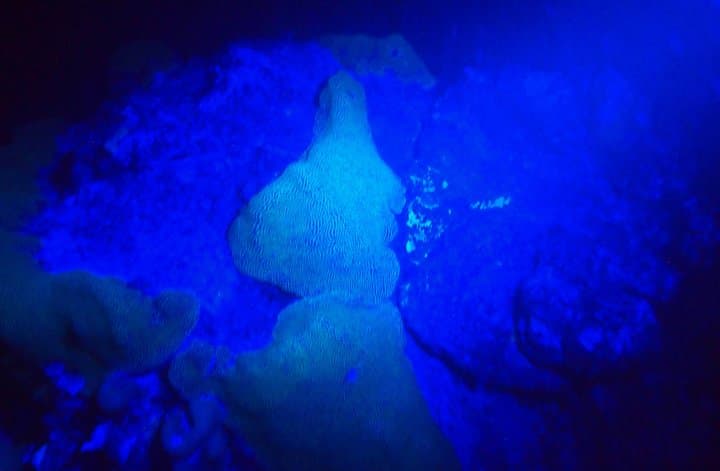
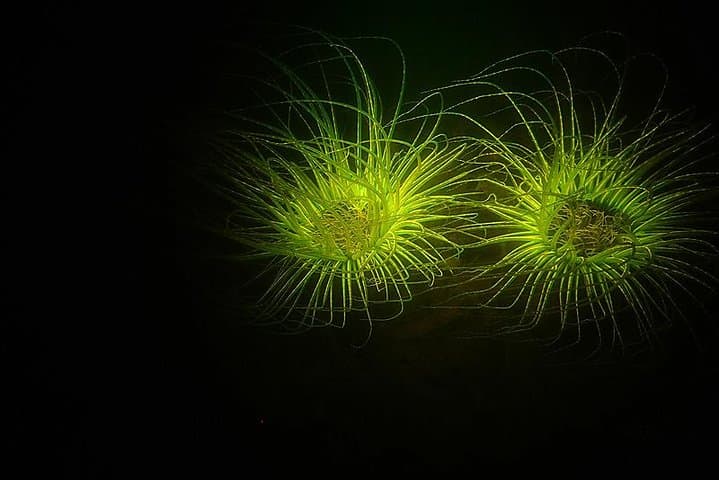
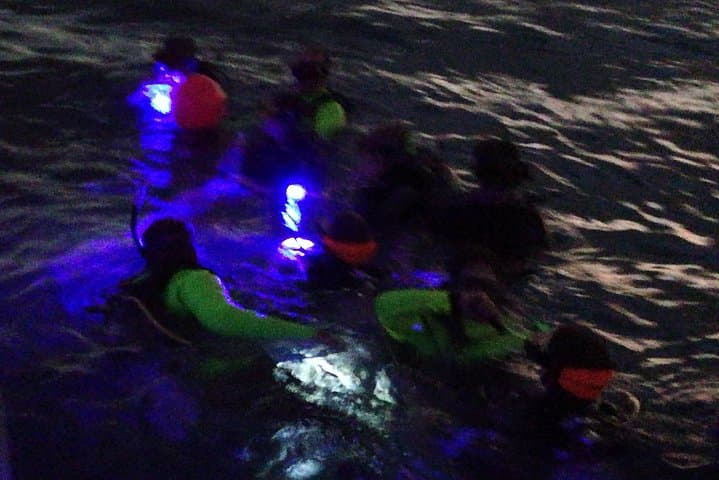
The surf hushes as the sun drops behind Aruba’s lee side and you kit up on a black sand shore. A blue beam cuts the dark as your group slips under; what looked like an ordinary reef by day flares into neon—coral polyps, sponges and tiny recruits lighting up like constellations under ultraviolet. The visor over your mask filters the blue, letting fluorescent pigments pop in shocking greens, pinks and oranges — the reef offers a private light show that even experienced divers call otherworldly.
The surf hushes as the sun drops behind Aruba’s lee side and you kit up on a black sand shore. A blue beam cuts the dark as your group slips under; what looked like an ordinary reef by day flares into neon—coral polyps, sponges and tiny recruits lighting up like constellations under ultraviolet. The visor over your mask filters the blue, letting fluorescent pigments pop in shocking greens, pinks and oranges — the reef offers a private light show that even experienced divers call otherworldly.
Geology here is volcanic and carbonate — the eastern coast where The Hole in the Wall sits has fractured limestone ledges, swim‑throughs and scattered coral bommies formed by ancient reef growth and wave action. Culturally, Aruba’s dive community blends professional guides with small local operators who emphasize conservation; fluorescent methods also help researchers spot coral recruits at night.
Expect a single 1‑tank guided shore dive lasting about two hours including briefings. You’ll descend to modest depths where fluorescence is strongest and move slowly to inspect crevices and overhangs. Visibility at night shifts with currents; guides use specific blue‑wavelength lights and yellow visors to reveal fluorescence without harming delicate life.
Plan around safety: certified divers only, minimum age 12, and no flying within 24 hours after the dive. Bring a well‑maintained regulator, dusk‑appropriate exposure protection and a clear communication with your guide about experience and air consumption. On a fluorescent night dive the reef literally reaches out—observe, photograph carefully, and leave everything as you found it.