THE ADVENTURE COLLECTIVE® · Independent discovery and booking for outdoor travel

A private, two-hour apiculture experience on Aruba’s cunucu that pairs hands-on hive access with honey tasting and local insight. Suits and bottled water are included; not suitable for those with bee allergies.
A private, two-hour apiculture experience on Aruba’s cunucu that pairs hands-on hive access with honey tasting and local insight. Suits and bottled water are included; not suitable for those with bee allergies.
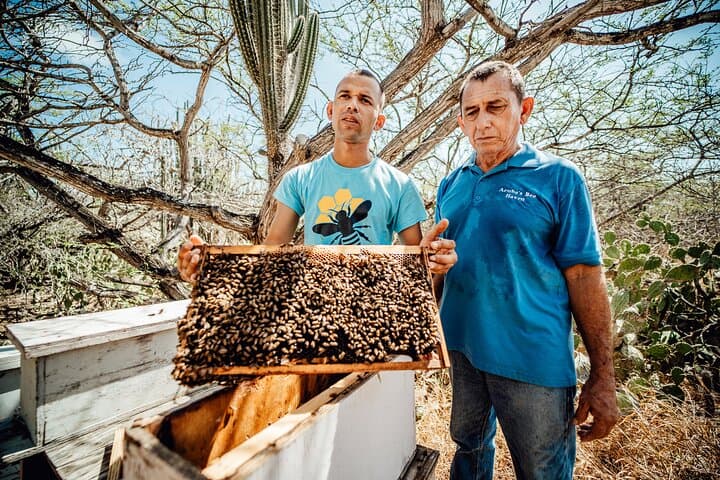
You step off the sun-baked lane and a low, steady hum greets you—bees at work in the shade of divi-divi and cactus. The air smells faintly of salt and wildflower honey as guides usher you through the small cunucu, Aruba’s traditional countryside plots, to a cluster of wooden hives where a private tour begins.
Verified experiences and guided adventures in the surrounding area.
Operated by Aruba´s Bee Haven · Oranjestad, Aruba
You step off the sun-baked lane and a low, steady hum greets you—bees at work in the shade of divi-divi and cactus. The air smells faintly of salt and wildflower honey as guides usher you through the small cunucu, Aruba’s traditional countryside plots, to a cluster of wooden hives where a private tour begins.
Aruba’s geology is mostly limestone and coral plateau; those porous soils and coastal breezes shape the low scrub and flowering plants that feed these hives. Apiculture on the island blends recent hobbyist practice with local farming culture—the term cunucu points to the island’s colonial-era plots and family farms where small-scale food production survives.
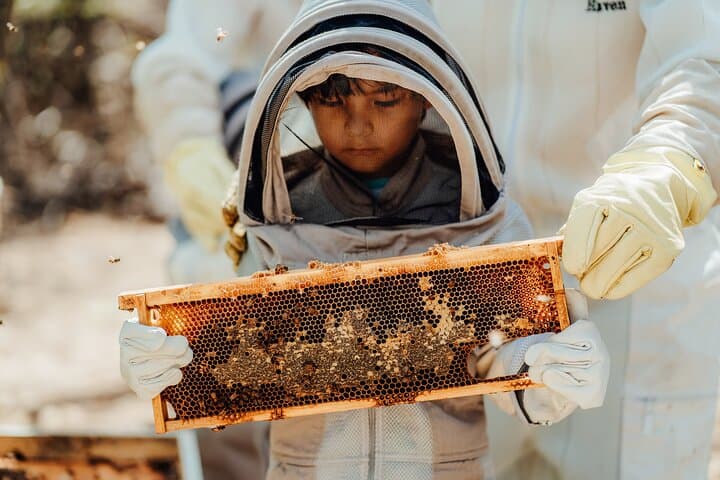
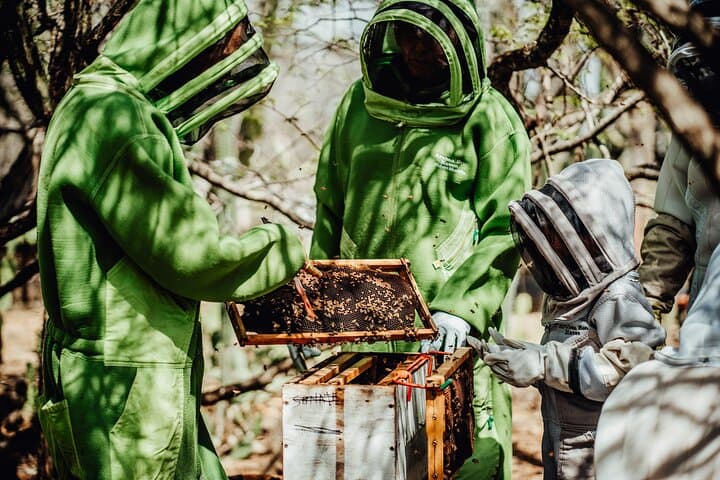
On the two-hour private adventure expect a short classroom intro, honey tasting, and photo-friendly time in provided bee suits as the guide opens inspected frames in the apiary. It’s hands-on but structured: you’ll learn basic hive anatomy, seasonal honey notes, and how island plants like mesquite and buttonwood influence flavor.
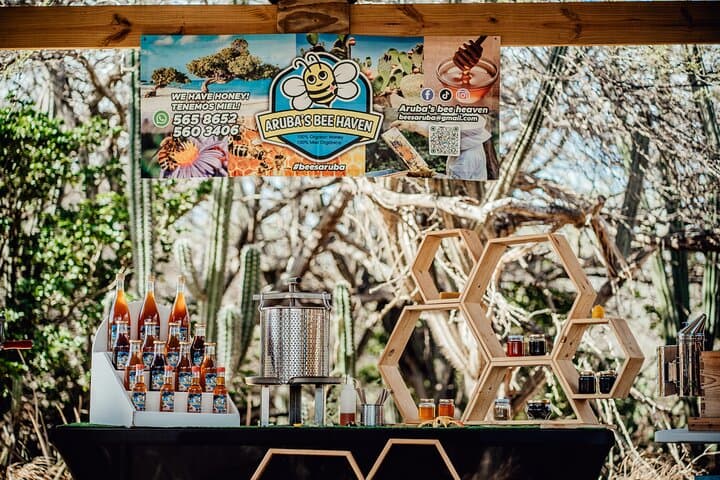
Practical notes: suits and bottled water are provided, the activity is family-friendly but not recommended for people with bee allergies, and most tours run best in the morning when bees are active and winds are light. Wear closed-toe shoes, sun protection, and reserve a private slot in advance—this is a small operation and groups are limited. Sellers on-site offer jars of honey and beeswax products to support the apiary and local conservation efforts.
easy.
2 hours.
Suitable for most fitness levels; includes short walks over uneven ground and standing during demonstrations.
Yes—bee suits are provided for all participants and included in the tour price to ensure safe, hands-on access to the hives.
The tour is family-friendly and suitable for children who can follow instructions; children with allergies or small children who fear bees should be considered carefully.
Yes, the apiary typically offers jars of honey, beeswax products, and other items for purchase on-site to support the operation.
This experience is not recommended for people with bee or severe insect allergies; inform the operator when booking and do not participate if you have a history of anaphylaxis.
The term cunucu refers to small family plots established during colonial times; many modern apiaries operate on or near these traditional parcels.
Small local apiaries help pollinator diversity on the island; support sustainable beekeeping by buying local honey and avoiding disturbance to hives.
Aruba´s Bee Haven operates guided outdoor trips and adventures with an emphasis on safety, stewardship, and memorable experiences.
You step off the sun-baked lane and a low, steady hum greets you—bees at work in the shade of divi-divi and cactus. The air smells faintly of salt and wildflower honey as guides usher you through the small cunucu, Aruba’s traditional countryside plots, to a cluster of wooden hives where a private tour begins.
You step off the sun-baked lane and a low, steady hum greets you—bees at work in the shade of divi-divi and cactus. The air smells faintly of salt and wildflower honey as guides usher you through the small cunucu, Aruba’s traditional countryside plots, to a cluster of wooden hives where a private tour begins.
Aruba’s geology is mostly limestone and coral plateau; those porous soils and coastal breezes shape the low scrub and flowering plants that feed these hives. Apiculture on the island blends recent hobbyist practice with local farming culture—the term cunucu points to the island’s colonial-era plots and family farms where small-scale food production survives.
On the two-hour private adventure expect a short classroom intro, honey tasting, and photo-friendly time in provided bee suits as the guide opens inspected frames in the apiary. It’s hands-on but structured: you’ll learn basic hive anatomy, seasonal honey notes, and how island plants like mesquite and buttonwood influence flavor.
Practical notes: suits and bottled water are provided, the activity is family-friendly but not recommended for people with bee allergies, and most tours run best in the morning when bees are active and winds are light. Wear closed-toe shoes, sun protection, and reserve a private slot in advance—this is a small operation and groups are limited. Sellers on-site offer jars of honey and beeswax products to support the apiary and local conservation efforts.