THE ADVENTURE COLLECTIVE® · Independent discovery and booking for outdoor travel

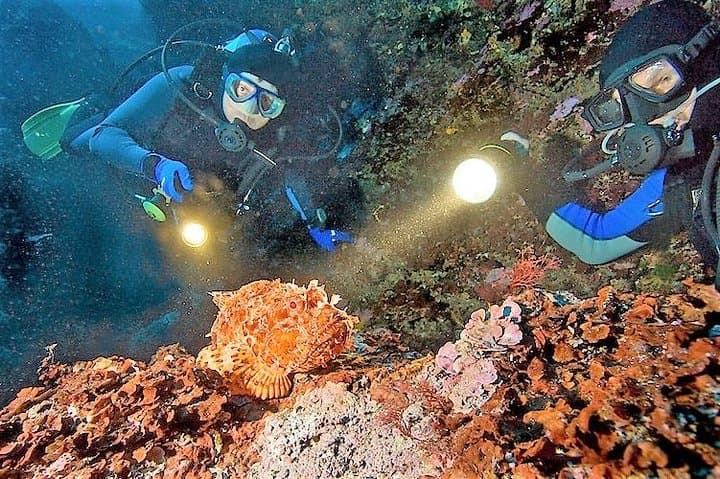
Swap sun-soaked reef views for a nocturnal seascape on this 1-tank guided night dive in Aruba. Certified divers with recent experience will find lobsters, octopus, and glowing coral polyps illuminated by dive lights.
Swap sun-soaked reef views for a nocturnal seascape on this 1-tank guided night dive in Aruba. Certified divers with recent experience will find lobsters, octopus, and glowing coral polyps illuminated by dive lights.
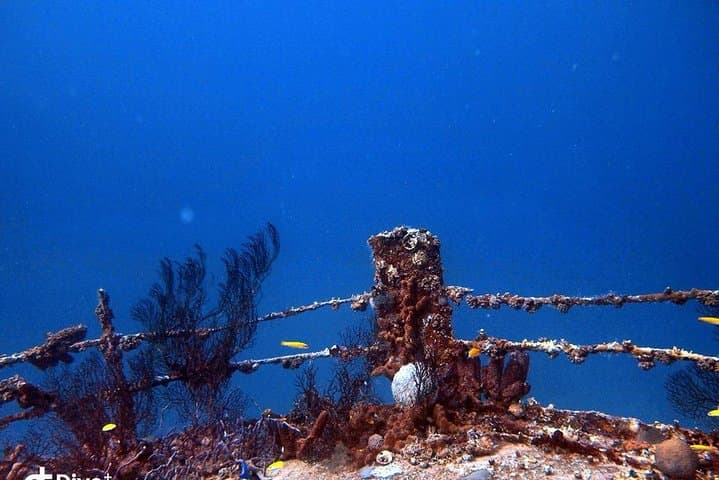
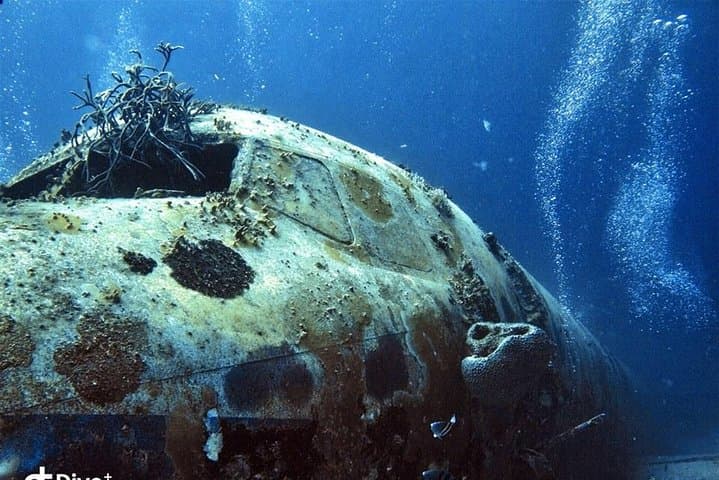
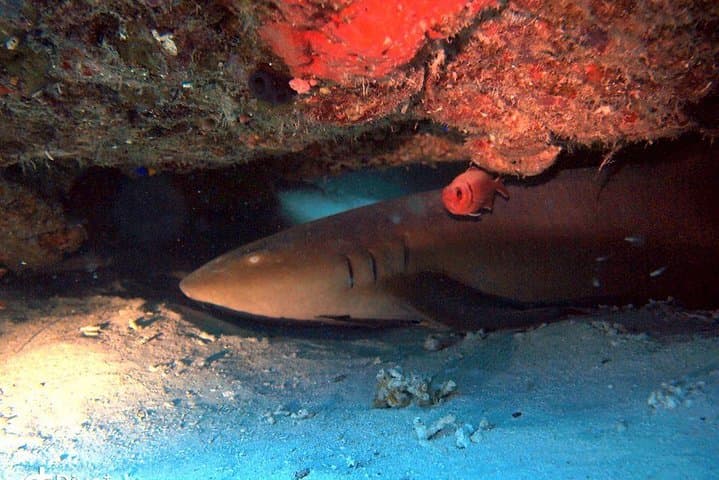
The sun slides low over Aruba and the shoreline changes character — the reef exhales and the daytime crowd thins. By dusk the water cools to a deep, inky blue and the reef begins to wake into a different life: lobsters slide from crevices, octopus patrol the sand, and coral polyps unfold like tiny lanterns when struck by a beam.
Verified experiences and guided adventures in the surrounding area.
Operated by Pure Diving Aruba · Oranjestad, Aruba
The sun slides low over Aruba and the shoreline changes character — the reef exhales and the daytime crowd thins. By dusk the water cools to a deep, inky blue and the reef begins to wake into a different life: lobsters slide from crevices, octopus patrol the sand, and coral polyps unfold like tiny lanterns when struck by a beam.
Aruba’s reefs form on a limestone base shaped by millions of years of coral growth and gentle sea level shifts. The island’s Dutch-Caribbean culture grew around fishing and seamanship; local dive guides carry that practical knowledge into the dark, reading currents and knowing where nocturnal species hunt. Night dives here are often shore-based but sometimes staged from the small dive boat “Drumfish,” giving access to quieter spots.
Expect a focused, sensory trip: briefings on light discipline, gear checks, and hand signals replace the daytime chatter. Guides—PADI or SDI instructors—point out behaviors you won’t see by day: sleeping parrotfish tucked into mucous cocoons, hunting shrimp flashing in crevices, and delicate coral tentacles feeding.
Practical guidance: arrive early to set up equipment, log your certification and recent-dive history, and test your primary and backup lights. Keep movements slow and controlled to avoid startling wildlife and stirring silt. Hydrate beforehand and plan no air travel within 24 hours after diving. If you’re certified and have dived within the last two years, this single-tank, roughly 60–75 minute bottom time offers a compact, high-reward look at Aruba’s nocturnal reef life.
moderate.
2–3 hours.
Basic scuba fitness — comfortable with 45–75 minute dives and able to handle surface swims and entry/exit from shore or small boat.
Yes — this experience requires certified divers to have their own gear; lights are provided but many divers bring their personal primary and backup lights.
Open Water certification or equivalent is required, and operators typically ask for proof of at least one dive in the last two years.
The tour is a 1-tank guided night dive within a 3-hour activity window; bottom time is typically 45–75 minutes depending on air consumption and conditions.
Not recommended for pregnant travelers or those with serious cardiovascular or respiratory conditions; consult your doctor and the operator before booking.
Aruba’s reefs grow on a foundation of fossilized limestone; the island’s seafaring history informs local dive practices and knowledge of currents and seasonal fish movements.
Use reef-safe sunscreen and avoid touching coral; local operators emphasize low-impact diving to protect branching corals and slow-growing reef species.
Pure Diving Aruba operates guided outdoor trips and adventures with an emphasis on safety, stewardship, and memorable experiences.
The sun slides low over Aruba and the shoreline changes character — the reef exhales and the daytime crowd thins. By dusk the water cools to a deep, inky blue and the reef begins to wake into a different life: lobsters slide from crevices, octopus patrol the sand, and coral polyps unfold like tiny lanterns when struck by a beam.
The sun slides low over Aruba and the shoreline changes character — the reef exhales and the daytime crowd thins. By dusk the water cools to a deep, inky blue and the reef begins to wake into a different life: lobsters slide from crevices, octopus patrol the sand, and coral polyps unfold like tiny lanterns when struck by a beam.
Aruba’s reefs form on a limestone base shaped by millions of years of coral growth and gentle sea level shifts. The island’s Dutch-Caribbean culture grew around fishing and seamanship; local dive guides carry that practical knowledge into the dark, reading currents and knowing where nocturnal species hunt. Night dives here are often shore-based but sometimes staged from the small dive boat “Drumfish,” giving access to quieter spots.
Expect a focused, sensory trip: briefings on light discipline, gear checks, and hand signals replace the daytime chatter. Guides—PADI or SDI instructors—point out behaviors you won’t see by day: sleeping parrotfish tucked into mucous cocoons, hunting shrimp flashing in crevices, and delicate coral tentacles feeding.
Practical guidance: arrive early to set up equipment, log your certification and recent-dive history, and test your primary and backup lights. Keep movements slow and controlled to avoid startling wildlife and stirring silt. Hydrate beforehand and plan no air travel within 24 hours after diving. If you’re certified and have dived within the last two years, this single-tank, roughly 60–75 minute bottom time offers a compact, high-reward look at Aruba’s nocturnal reef life.