THE ADVENTURE COLLECTIVE® · Independent discovery and booking for outdoor travel

Head out on a compact morning dive from Aruba’s southern shore to explore coral gardens, bommies and accessible wrecks like the Jane C. This single-tank guided trip is aimed at certified divers seeking calm sites, local guidance and rental gear.
Head out on a compact morning dive from Aruba’s southern shore to explore coral gardens, bommies and accessible wrecks like the Jane C. This single-tank guided trip is aimed at certified divers seeking calm sites, local guidance and rental gear.
Salt and diesel mingle as the Drumfish slips out from the harbor, the island’s low scrub and limestone cliffs falling away to reveal a broad horizon. Certified divers step aboard with tanks and curiosity; within 20–40 minutes the captain picks a quiet site on Aruba’s southern side where reef fingers, bommies and an occasional wreck frame a marine neighborhood.
Verified experiences and guided adventures in the surrounding area.
Operated by Pure Diving Aruba · Oranjestad, Aruba
Salt and diesel mingle as the Drumfish slips out from the harbor, the island’s low scrub and limestone cliffs falling away to reveal a broad horizon. Certified divers step aboard with tanks and curiosity; within 20–40 minutes the captain picks a quiet site on Aruba’s southern side where reef fingers, bommies and an occasional wreck frame a marine neighborhood.
The southern reef system here formed on Pleistocene limestone with coral growth building relief where currents slow. Local dive names—Sponge, Tire, Anchor, Barcadera, Mangel Halto and the Jane C wreck—reflect practical navigation and a modest wreck-diving history tied to Aruba’s shipping and island development. Fishing villages and Dutch colonial ports shaped coastal culture; today dive operators balance visitor access with reef stewardship.
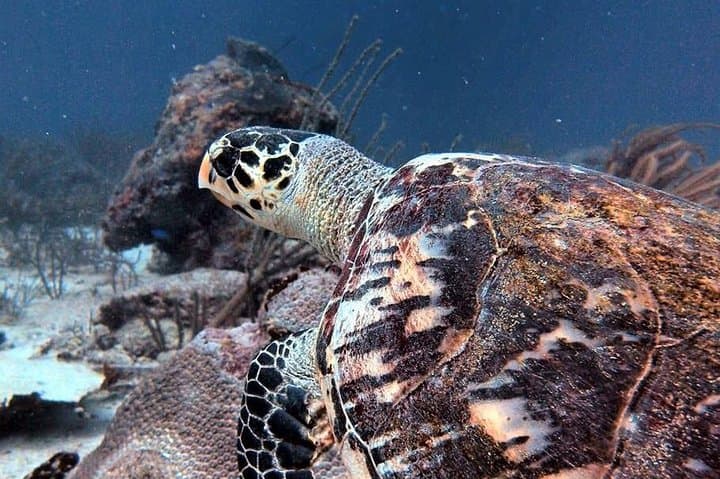
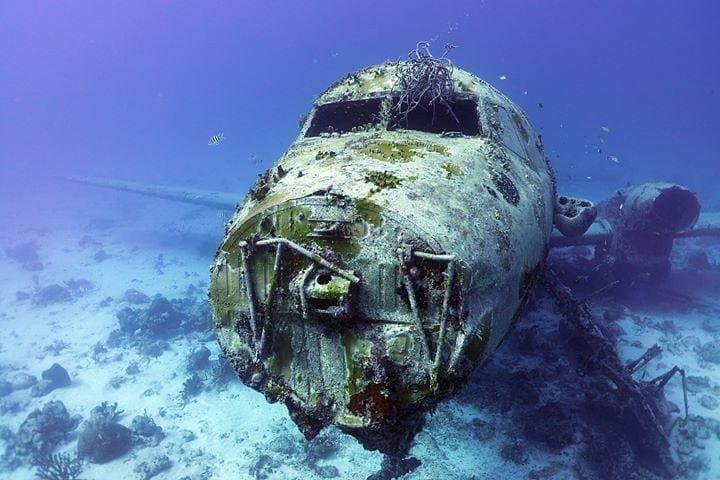
Underwater, the reef urges exploration: staghorn and brain corals host colorful reef fish, while sand patches reveal rays and the occasional nurse shark cruising slowly. Guides point out small swim-throughs, encrusting sponges and the airplane wrecks that attract larger schools.
Practically, this is a morning, single-tank guided outing (about three hours total) for certified divers only—minimum age 10. Operators consider weather, sea state and certification level when choosing the site. Rental equipment is available but divers are encouraged to use their personal mask, regulators and dive computers if possible. Expect briefings on buoyancy, navigation and reef etiquette, and remember that flying is not allowed within 24 hours of diving. With straightforward logistics and sheltered sites, this trip is a compact way to sample Aruba’s accessible, marine-rich southern reefscape.
moderate.
2–3 hours.
Should be comfortable swimming, able to clear ears during descent, and in general good health for basic scuba activity.
Yes—this trip is for certified divers only; operators will check certification before boarding.
Minimum age is 10 years; younger divers must meet certification and operator requirements.
Standard rental gear is available, but divers are encouraged to bring personal masks or regulators if they prefer.
Operators evaluate weather and sea state before the trip and may change sites or cancel; they prioritize safety and your certification level when deciding.
Many of Aruba’s named dive sites reflect practical maritime history—small wrecks and named rock features guided local fishermen and later recreational divers.
Operators encourage no-touch policies, proper buoyancy and reef-safe sunscreen to protect coral growth; reef restoration and protected-area awareness are part of local conservation efforts.
Pure Diving Aruba operates guided outdoor trips and adventures with an emphasis on safety, stewardship, and memorable experiences.


Salt and diesel mingle as the Drumfish slips out from the harbor, the island’s low scrub and limestone cliffs falling away to reveal a broad horizon. Certified divers step aboard with tanks and curiosity; within 20–40 minutes the captain picks a quiet site on Aruba’s southern side where reef fingers, bommies and an occasional wreck frame a marine neighborhood.
Salt and diesel mingle as the Drumfish slips out from the harbor, the island’s low scrub and limestone cliffs falling away to reveal a broad horizon. Certified divers step aboard with tanks and curiosity; within 20–40 minutes the captain picks a quiet site on Aruba’s southern side where reef fingers, bommies and an occasional wreck frame a marine neighborhood.
The southern reef system here formed on Pleistocene limestone with coral growth building relief where currents slow. Local dive names—Sponge, Tire, Anchor, Barcadera, Mangel Halto and the Jane C wreck—reflect practical navigation and a modest wreck-diving history tied to Aruba’s shipping and island development. Fishing villages and Dutch colonial ports shaped coastal culture; today dive operators balance visitor access with reef stewardship.
Underwater, the reef urges exploration: staghorn and brain corals host colorful reef fish, while sand patches reveal rays and the occasional nurse shark cruising slowly. Guides point out small swim-throughs, encrusting sponges and the airplane wrecks that attract larger schools.
Practically, this is a morning, single-tank guided outing (about three hours total) for certified divers only—minimum age 10. Operators consider weather, sea state and certification level when choosing the site. Rental equipment is available but divers are encouraged to use their personal mask, regulators and dive computers if possible. Expect briefings on buoyancy, navigation and reef etiquette, and remember that flying is not allowed within 24 hours of diving. With straightforward logistics and sheltered sites, this trip is a compact way to sample Aruba’s accessible, marine-rich southern reefscape.