THE ADVENTURE COLLECTIVE® · Independent discovery and booking for outdoor travel

Walk the streets where poets, protestors and musicians reshaped American culture. This two-hour guided tour moves through Washington Square Park, Stonewall and offbeat lanes to reveal Greenwich Village’s artistic and social history.
Walk the streets where poets, protestors and musicians reshaped American culture. This two-hour guided tour moves through Washington Square Park, Stonewall and offbeat lanes to reveal Greenwich Village’s artistic and social history.
The tour begins where the city loosens its grid: Waverly Place and 6th Avenue, a corner where cobblestones and brownstones pull you out of midtown’s regimented streets. Guides in bright orange hats shepherd a small group down narrow lanes, past stoops where lyricists and protestors have left their marks.
Verified experiences and guided adventures in the surrounding area.
Operated by ExperienceFirst · New York, New York
The tour begins where the city loosens its grid: Waverly Place and 6th Avenue, a corner where cobblestones and brownstones pull you out of midtown’s regimented streets. Guides in bright orange hats shepherd a small group down narrow lanes, past stoops where lyricists and protestors have left their marks.
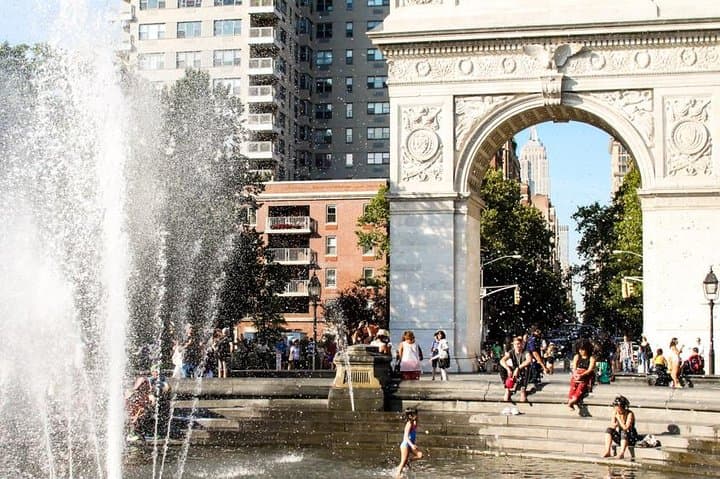
Greenwich Village grew as a 19th-century counterpoint to Manhattan’s commercial heart — a neighborhood shaped by artisans, immigrant communities, bohemian artists and the brick-and-bedrock of Manhattan schist beneath your feet. You’ll pass Washington Square Park, once a burial ground, now a stage for musicians and political speech, and the Stonewall Inn on Christopher Street, the flashpoint of the 1969 gay-rights uprising.
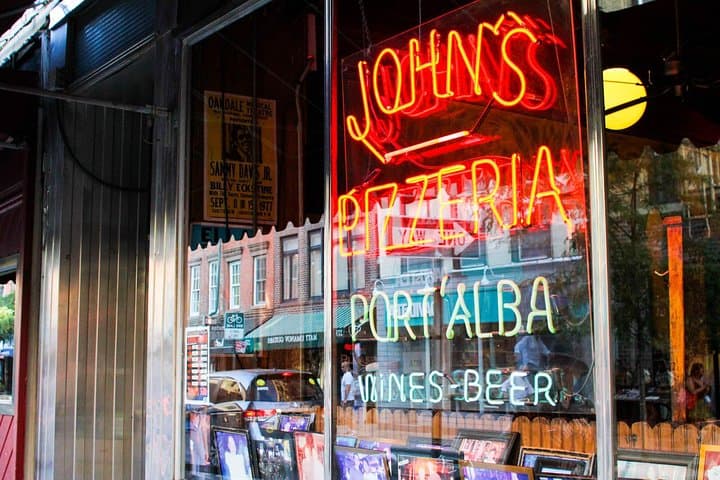
Expect stops at literary haunts, folk-music venues, and recognizable TV locations such as the building used for Friends, as the guide layers cultural anecdotes onto the physical route. The geology shows subtly: irregular street patterns and older foundations where the pre-grid village refused assimilation by Robert Moses’ planners.
Practical notes: the walk runs about two hours with moderate, mostly flat city walking on sidewalks and occasional steps. Downtown Manhattan can be windy — dress in layers and wear comfortable shoes; the guide moves at a steady pace and points out quieter courtyards and community gardens that many visitors miss. The experience is outdoor, weather-permitting, and accessible to most fitness levels. Bring a charged phone for photos and maps, and arrive 15 minutes early so you don’t miss the group — the neighborhood rewards slow attention.
easy.
2 hours.
Suitable for most fitness levels; expect continuous walking at an easy pace
Meet on the SW corner of 6th Avenue & Waverly Place; the guide arrives 15 minutes early and wears an orange hat.
Yes — routes and meeting points are noted as wheelchair accessible; contact the operator for specific accommodations.
Yes — strollers are allowed and the tour is suitable for families; expect a moderate amount of walking.
The activity runs rain or shine; in rare cancellations you can reschedule or request a refund per the seller’s policy.
Greenwich Village evolved as a 19th–20th century bohemian refuge and later became a focal point for the modern LGBT rights movement, especially after the Stonewall riots in 1969.
Community gardens and landmark protections have preserved many green spaces and historic facades; visitors are encouraged to respect private gardens and minimize noise.
ExperienceFirst operates guided outdoor trips and adventures with an emphasis on safety, stewardship, and memorable experiences.
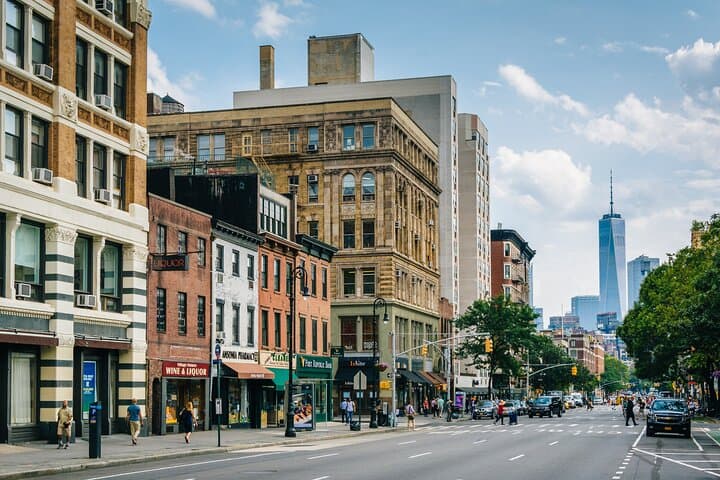
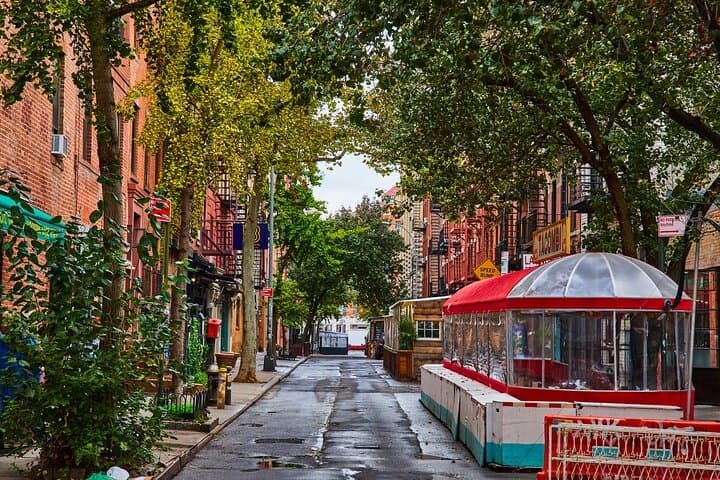
The tour begins where the city loosens its grid: Waverly Place and 6th Avenue, a corner where cobblestones and brownstones pull you out of midtown’s regimented streets. Guides in bright orange hats shepherd a small group down narrow lanes, past stoops where lyricists and protestors have left their marks.
The tour begins where the city loosens its grid: Waverly Place and 6th Avenue, a corner where cobblestones and brownstones pull you out of midtown’s regimented streets. Guides in bright orange hats shepherd a small group down narrow lanes, past stoops where lyricists and protestors have left their marks.
Greenwich Village grew as a 19th-century counterpoint to Manhattan’s commercial heart — a neighborhood shaped by artisans, immigrant communities, bohemian artists and the brick-and-bedrock of Manhattan schist beneath your feet. You’ll pass Washington Square Park, once a burial ground, now a stage for musicians and political speech, and the Stonewall Inn on Christopher Street, the flashpoint of the 1969 gay-rights uprising.
Expect stops at literary haunts, folk-music venues, and recognizable TV locations such as the building used for Friends, as the guide layers cultural anecdotes onto the physical route. The geology shows subtly: irregular street patterns and older foundations where the pre-grid village refused assimilation by Robert Moses’ planners.
Practical notes: the walk runs about two hours with moderate, mostly flat city walking on sidewalks and occasional steps. Downtown Manhattan can be windy — dress in layers and wear comfortable shoes; the guide moves at a steady pace and points out quieter courtyards and community gardens that many visitors miss. The experience is outdoor, weather-permitting, and accessible to most fitness levels. Bring a charged phone for photos and maps, and arrive 15 minutes early so you don’t miss the group — the neighborhood rewards slow attention.