THE ADVENTURE COLLECTIVE® · Independent discovery and booking for outdoor travel

Learn to roll, fill, and sear ravioli in a hands-on two-hour workshop in Midtown Manhattan. This class pairs practical technique with local Italian flavors—perfect for home cooks and curious beginners.
Learn to roll, fill, and sear ravioli in a hands-on two-hour workshop in Midtown Manhattan. This class pairs practical technique with local Italian flavors—perfect for home cooks and curious beginners.
The room smells of warm flour and olive oil before you even roll out the first sheet of dough. In a bright hotel breakfast room just south of Midtown, a long table becomes a studio: rolling pins tapping, small bowls of ricotta and grated Parmesan lined up, and trays of Castelvetrano olives—briny, green—waiting to be folded into sauce.
Verified experiences and guided adventures in the surrounding area.
Operated by CocuSocial · New York, NY
The room smells of warm flour and olive oil before you even roll out the first sheet of dough. In a bright hotel breakfast room just south of Midtown, a long table becomes a studio: rolling pins tapping, small bowls of ricotta and grated Parmesan lined up, and trays of Castelvetrano olives—briny, green—waiting to be folded into sauce.
This is a modern continuation of New York’s deep Italian-food lineage. From 19th-century arrivals who introduced hand-rolled pasta to neighborhoods like Little Italy, to today’s markets and specialty olive producers, the city’s food culture prizes technique and fresh ingredients. Geology even plays a quiet role—the exposed brick and concrete of Manhattan’s midtown echo the city’s bedrock history, a practical backdrop for hands-on craft.
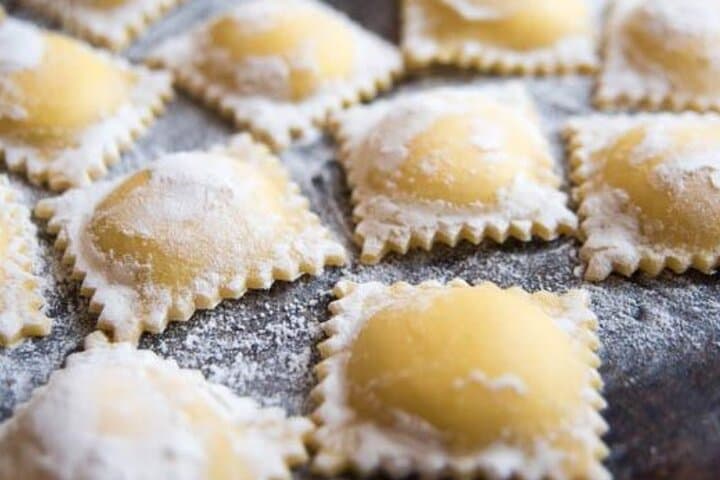
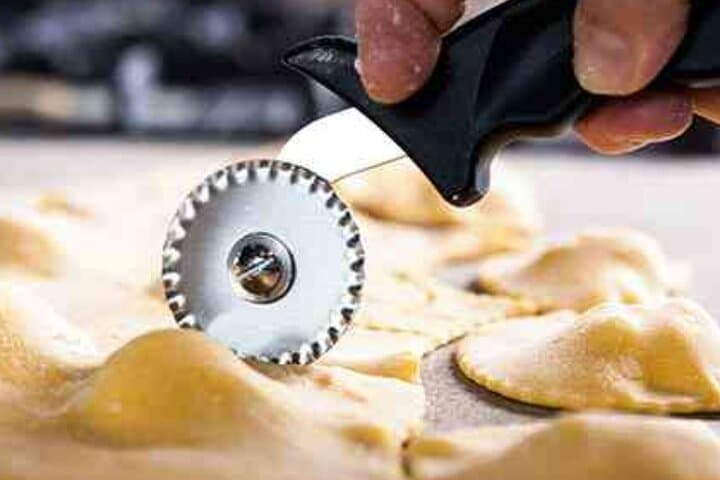
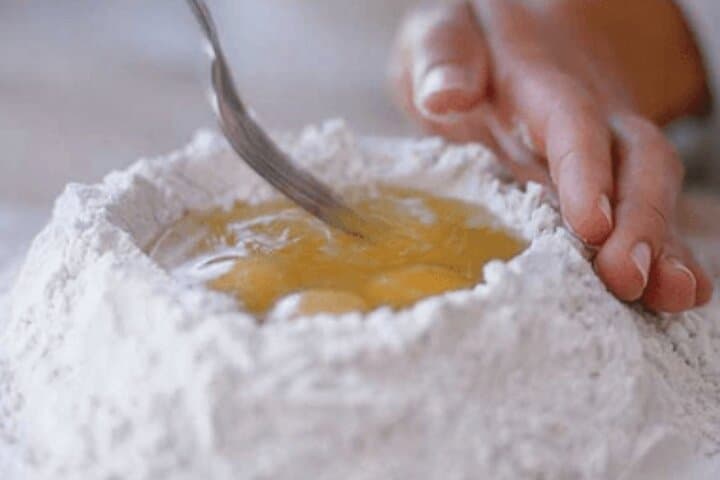
Expect a welcoming, instruction-led two-hour session where an instructor guides every step: mixing dough, rolling sheets thin, spooning a seasoned ricotta filling, and sealing neat ravioli for boiling. You’ll finish by simmering a simple Castelvetrano tomato-olive sauce and plating a tasting portion.
Practical guidance: arrive on time, wear closed-toe shoes, and note dietary restrictions when booking; everything is provided but substitutions may be limited. Bring a small container if you want to take extra ravioli home, and plan transport that keeps your pasta cool and flat. The experience is tactile and social—good for cooks wanting technique or first-timers wanting an accessible introduction to handmade pasta.
easy.
2 hours.
Minimal physical fitness required; expects standing, light kneading and lifting small bowls.
No—this workshop is designed for beginners and enthusiasts; instructors demonstrate each step and assist students.
Yes, all equipment and ingredients are provided, including dough tools, fillings, and a tasting portion to eat on-site.
You should declare allergies or dietary needs when booking; small substitutions may be possible but are not guaranteed.
All sales are final for this activity; the operator does not offer refunds for cancellations.
Handmade pasta arrived with Italian immigration in the late 19th and early 20th centuries; New York’s markets and delis have kept those regional techniques alive.
Small-group food classes generate modest waste—bring reusable containers and request minimal packaging to reduce impact; instructors often source local dairy and produce when possible.
CocuSocial operates guided outdoor trips and adventures with an emphasis on safety, stewardship, and memorable experiences.
The room smells of warm flour and olive oil before you even roll out the first sheet of dough. In a bright hotel breakfast room just south of Midtown, a long table becomes a studio: rolling pins tapping, small bowls of ricotta and grated Parmesan lined up, and trays of Castelvetrano olives—briny, green—waiting to be folded into sauce.
The room smells of warm flour and olive oil before you even roll out the first sheet of dough. In a bright hotel breakfast room just south of Midtown, a long table becomes a studio: rolling pins tapping, small bowls of ricotta and grated Parmesan lined up, and trays of Castelvetrano olives—briny, green—waiting to be folded into sauce.
This is a modern continuation of New York’s deep Italian-food lineage. From 19th-century arrivals who introduced hand-rolled pasta to neighborhoods like Little Italy, to today’s markets and specialty olive producers, the city’s food culture prizes technique and fresh ingredients. Geology even plays a quiet role—the exposed brick and concrete of Manhattan’s midtown echo the city’s bedrock history, a practical backdrop for hands-on craft.
Expect a welcoming, instruction-led two-hour session where an instructor guides every step: mixing dough, rolling sheets thin, spooning a seasoned ricotta filling, and sealing neat ravioli for boiling. You’ll finish by simmering a simple Castelvetrano tomato-olive sauce and plating a tasting portion.
Practical guidance: arrive on time, wear closed-toe shoes, and note dietary restrictions when booking; everything is provided but substitutions may be limited. Bring a small container if you want to take extra ravioli home, and plan transport that keeps your pasta cool and flat. The experience is tactile and social—good for cooks wanting technique or first-timers wanting an accessible introduction to handmade pasta.