THE ADVENTURE COLLECTIVE® · Independent discovery and booking for outdoor travel

A single day from Lyttelton unfolds the Southern Alps: a working sheep farm with dog trials and shearing, dramatic photo stops at Otira Gorge, and time to explore Arthur's Pass Village. Ideal for travelers wanting alpine landscapes and rural culture without a multi-day trek.
A single day from Lyttelton unfolds the Southern Alps: a working sheep farm with dog trials and shearing, dramatic photo stops at Otira Gorge, and time to explore Arthur's Pass Village. Ideal for travelers wanting alpine landscapes and rural culture without a multi-day trek.
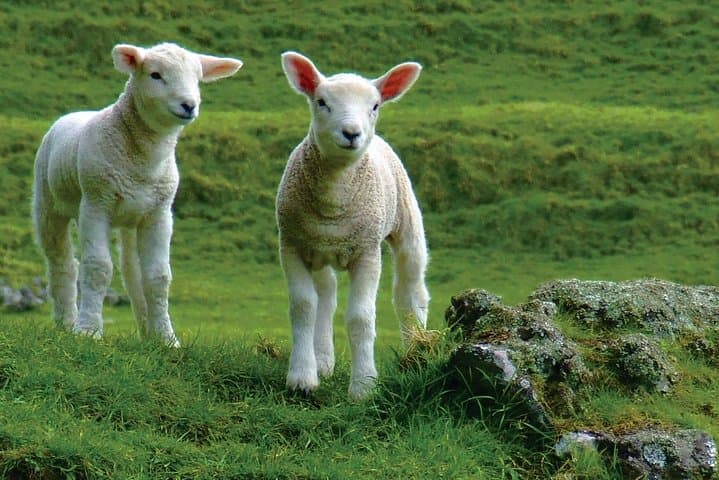
The coach eases out of Lyttelton and the harbor drops away, replaced by a narrowing ribbon of road that climbs into the Southern Alps. Windows frame a changing story—green lowland pasture, then beech forest, then the sudden, raw geometry of rock and scree. By midmorning the bus pulls up at a working sheep farm tucked into a high-country hollow; dogs flash left and right, their focus absolute, and the shearer makes the rhythm of a thousand seasons look effortless.
Verified experiences and guided adventures in the surrounding area.
Operated by Leisure Tours · Arthur's Pass, Canterbury
The coach eases out of Lyttelton and the harbor drops away, replaced by a narrowing ribbon of road that climbs into the Southern Alps. Windows frame a changing story—green lowland pasture, then beech forest, then the sudden, raw geometry of rock and scree. By midmorning the bus pulls up at a working sheep farm tucked into a high-country hollow; dogs flash left and right, their focus absolute, and the shearer makes the rhythm of a thousand seasons look effortless.
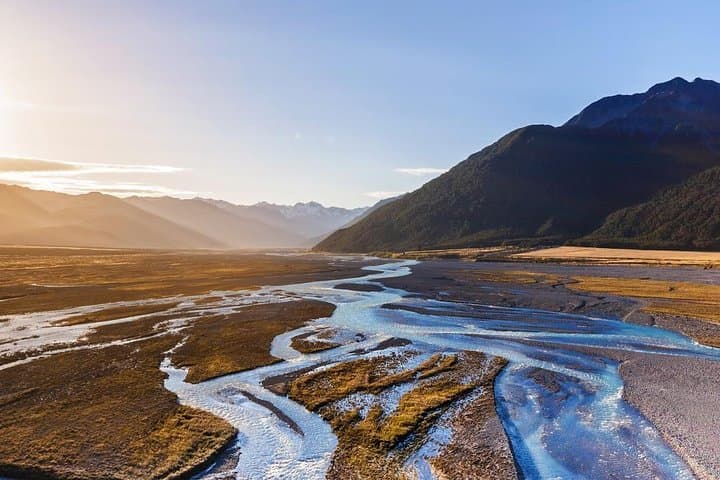
Arthur's Pass is a place of hard light and sharper edges: a transport corridor through the spine of New Zealand where glaciers and tectonics have carved steep gorges and cleaved alpine basins. The pass itself was identified by surveyor Arthur Dobson in the 1860s as a practical route across the range; the village that now bears his name sits at roughly 740 meters elevation and functions as the human hinge between the east coast plains and the high country.
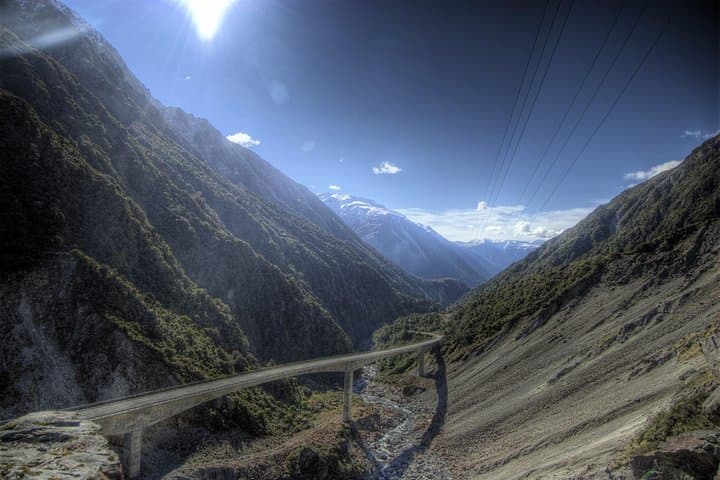
Geology shows here in roadside cuts and in the dramatic drop into Otira Gorge, where rivers still push the mountains wider. Culturally, the journey trades urban Christchurch for pastoral tradition—sheep farming remains an economic and social anchor, and demonstrations of sheepdog work and shearing offer a direct line to that heritage. The national park, protected since 1929, preserves remnant alpine communities: stunted beech, cushion plants, and a surprisingly resilient understory that clings to crags and ledges.
Practically, this is a full-day shore excursion—approximately 7½ hours from port pickup to return—with coach travel through Springfield, Castle Hill country, and the Otira Gorge. Stops include a working sheep farm with morning tea and demonstrations, photo pulls at vantage points into the gorge, and time for lunch and a brief walk in Arthur's Pass Village (lunch is optional, on your own). The coach is air-conditioned and accessible; staff will advise exact pickup timing based on ship disembarkation.
What to pack: layered outerwear and a waterproof shell for alpine weather, sturdy shoes for short walks, sunscreen and sunglasses for high-reflectivity conditions, and a camera with a telephoto option for gorge and dog work photos. Physical demand is low—most of the day is seated travel with short, easy excursions on level ground—but exposure to sun, wind, and temperature swings makes clothing choices important.
Insider notes: morning is often the clearest light for Otira Gorge photos; afternoon cloud can gather fast. Respect farm biosecurity requests—don’t feed livestock or wander off designated areas—and leave space for working dogs during demonstrations. For travelers with limited time in Christchurch, this shore excursion compresses alpine drama, rural culture, and accessible nature into one practical, scenic day.
easy.
7–8 hours.
Suitable for most fitness levels; long stretches seated with short, easy walks at stops.
The tour runs about 7½ hours from port pickup to return, with travel time each way and scheduled stops for demonstrations and photo opportunities.
Lunch is optional and not included by default; there is time in Arthur's Pass Village to purchase a meal or bring your own.
Yes—transportation is wheelchair accessible and the operator notes collapsible wheelchairs can be accommodated with assistance for boarding and disembarkation.
Morning light is generally clearest for Otira Gorge; be prepared for rapidly changing conditions later in the day.
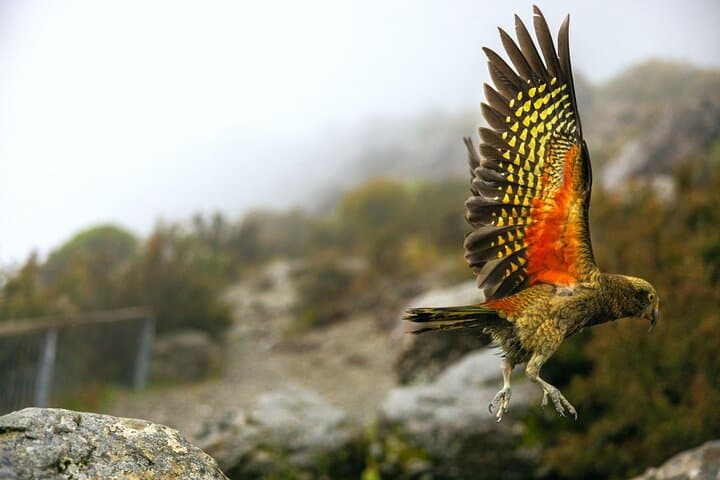
Yes—short-range sightings of birds like kea or fantail are possible, and you may see mountain goats or introduced species from a distance, but wildlife is not guaranteed.
Full refunds are available if you cancel at least 24 hours before the scheduled departure; check your booking confirmation for details.
Arthur's Pass was surveyed in the 1860s by Arthur Dobson and later became a crucial route for early settlers and the trans-alpine railway; the national park was established in 1929 to protect alpine ecosystems.
The park is sensitive—stay on tracks, avoid disturbing native vegetation, and follow farm biosecurity rules to prevent spreading pests or disease.
Leisure Tours operates guided outdoor trips and adventures with an emphasis on safety, stewardship, and memorable experiences.
The coach eases out of Lyttelton and the harbor drops away, replaced by a narrowing ribbon of road that climbs into the Southern Alps. Windows frame a changing story—green lowland pasture, then beech forest, then the sudden, raw geometry of rock and scree. By midmorning the bus pulls up at a working sheep farm tucked into a high-country hollow; dogs flash left and right, their focus absolute, and the shearer makes the rhythm of a thousand seasons look effortless.
The coach eases out of Lyttelton and the harbor drops away, replaced by a narrowing ribbon of road that climbs into the Southern Alps. Windows frame a changing story—green lowland pasture, then beech forest, then the sudden, raw geometry of rock and scree. By midmorning the bus pulls up at a working sheep farm tucked into a high-country hollow; dogs flash left and right, their focus absolute, and the shearer makes the rhythm of a thousand seasons look effortless.
Arthur's Pass is a place of hard light and sharper edges: a transport corridor through the spine of New Zealand where glaciers and tectonics have carved steep gorges and cleaved alpine basins. The pass itself was identified by surveyor Arthur Dobson in the 1860s as a practical route across the range; the village that now bears his name sits at roughly 740 meters elevation and functions as the human hinge between the east coast plains and the high country.
Geology shows here in roadside cuts and in the dramatic drop into Otira Gorge, where rivers still push the mountains wider. Culturally, the journey trades urban Christchurch for pastoral tradition—sheep farming remains an economic and social anchor, and demonstrations of sheepdog work and shearing offer a direct line to that heritage. The national park, protected since 1929, preserves remnant alpine communities: stunted beech, cushion plants, and a surprisingly resilient understory that clings to crags and ledges.
Practically, this is a full-day shore excursion—approximately 7½ hours from port pickup to return—with coach travel through Springfield, Castle Hill country, and the Otira Gorge. Stops include a working sheep farm with morning tea and demonstrations, photo pulls at vantage points into the gorge, and time for lunch and a brief walk in Arthur's Pass Village (lunch is optional, on your own). The coach is air-conditioned and accessible; staff will advise exact pickup timing based on ship disembarkation.
What to pack: layered outerwear and a waterproof shell for alpine weather, sturdy shoes for short walks, sunscreen and sunglasses for high-reflectivity conditions, and a camera with a telephoto option for gorge and dog work photos. Physical demand is low—most of the day is seated travel with short, easy excursions on level ground—but exposure to sun, wind, and temperature swings makes clothing choices important.
Insider notes: morning is often the clearest light for Otira Gorge photos; afternoon cloud can gather fast. Respect farm biosecurity requests—don’t feed livestock or wander off designated areas—and leave space for working dogs during demonstrations. For travelers with limited time in Christchurch, this shore excursion compresses alpine drama, rural culture, and accessible nature into one practical, scenic day.