THE ADVENTURE COLLECTIVE® · Independent discovery and booking for outdoor travel

Spend a private day in Agra exploring the Taj Mahal, Agra Fort and family-run artisan workshops. This practical guide outlines what to expect—timing, terrain, and tips to get the most from the city’s living crafts.
Spend a private day in Agra exploring the Taj Mahal, Agra Fort and family-run artisan workshops. This practical guide outlines what to expect—timing, terrain, and tips to get the most from the city’s living crafts.
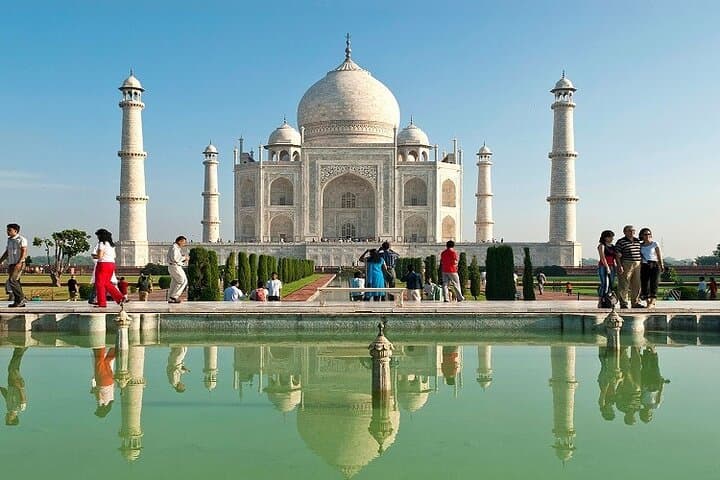
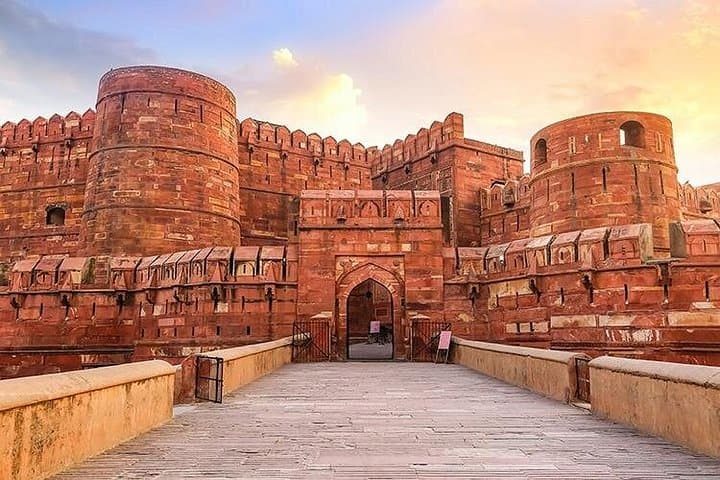
The sun lifts over the Yamuna and the Taj Mahal’s white marble first takes on the cool blue of morning. On an eight-hour private art tour of Agra, a guide leads visitors through courtyards and alleys where stone and handcrafts hold memory: the mausoleum’s inlay work, the red-sandstone bastions of Agra Fort, and the slow rhythm of rug-making in family-run workshops.
Verified experiences and guided adventures in the surrounding area.
Operated by Mughal Carpet · Agra, Uttar Pradesh
The sun lifts over the Yamuna and the Taj Mahal’s white marble first takes on the cool blue of morning. On an eight-hour private art tour of Agra, a guide leads visitors through courtyards and alleys where stone and handcrafts hold memory: the mausoleum’s inlay work, the red-sandstone bastions of Agra Fort, and the slow rhythm of rug-making in family-run workshops.
Agra grew as a Mughal capital in the 16th and 17th centuries; both the Taj and Agra Fort reflect imperial tastes for symmetry, calligraphy, and pietra dura inlay. Geologically, the plain is alluvial—flat land shaped by the Yamuna—so the monuments sit low and accessible, their visual drama created by scale and detail rather than elevation. Culturally, the city still supports artisans whose techniques passed down through generations: marble carving, carpet weaving, and leather inlay.
Practical guidance: the full-day itinerary runs about 8 hours with transfers by air-conditioned vehicle. Entry fees are typically not included, and expect several short walks on paved or uneven historic surfaces—comfortable shoes are essential. Plan for sun and dust in summer, and cooler mornings in winter; bring water, sunscreen, and a light layer. Photography is allowed at many sites but follow signposted restrictions and respect worship spaces.
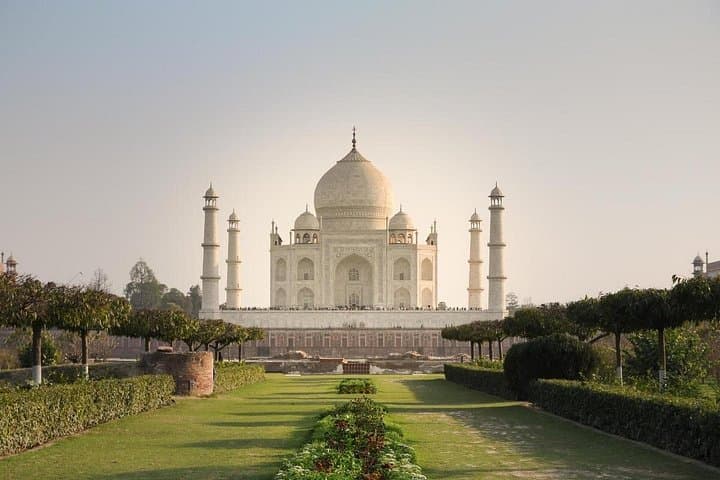
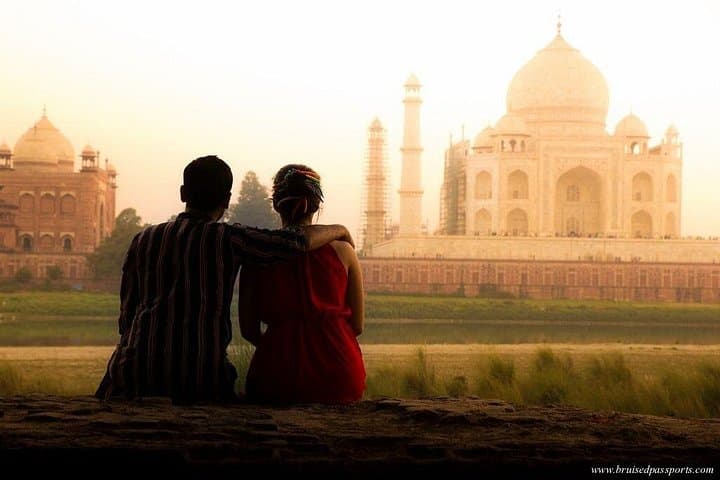
Timing tips: arrive at Taj Mahal early to avoid crowds and harsh light; Mehtab Bagh offers a quieter riverside view at sunset. For a meaningful visit, allow time in a workshop to watch artisans work and ask questions—these moments reveal the living craft behind the monuments.
easy.
8 hours.
Suitable for average fitness; expect multiple short walks and standing during site visits
No; itinerary notes that admissions are not included—carry cash or card to buy tickets at each site.
Yes, this private tour can be arranged from Delhi with transport along the expressway; confirm pickup details at booking.
The operator lists the tour as wheelchair accessible, but some historic sites have steps and uneven ground—check accessibility specifics in advance.
Lunch is included on the tour; operators typically stop at a restaurant or provide a boxed meal depending on preferences.
Agra became a Mughal political and artistic center in the 16th–17th centuries; the Taj and Agra Fort showcase imperial architecture and decorative arts from that era.
Air pollution and visitor pressure require ongoing conservation; favor licensed guides, avoid litter, and minimize plastic to reduce impacts on fragile stonework.
Mughal Carpet operates guided outdoor trips and adventures with an emphasis on safety, stewardship, and memorable experiences.
The sun lifts over the Yamuna and the Taj Mahal’s white marble first takes on the cool blue of morning. On an eight-hour private art tour of Agra, a guide leads visitors through courtyards and alleys where stone and handcrafts hold memory: the mausoleum’s inlay work, the red-sandstone bastions of Agra Fort, and the slow rhythm of rug-making in family-run workshops.
The sun lifts over the Yamuna and the Taj Mahal’s white marble first takes on the cool blue of morning. On an eight-hour private art tour of Agra, a guide leads visitors through courtyards and alleys where stone and handcrafts hold memory: the mausoleum’s inlay work, the red-sandstone bastions of Agra Fort, and the slow rhythm of rug-making in family-run workshops.
Agra grew as a Mughal capital in the 16th and 17th centuries; both the Taj and Agra Fort reflect imperial tastes for symmetry, calligraphy, and pietra dura inlay. Geologically, the plain is alluvial—flat land shaped by the Yamuna—so the monuments sit low and accessible, their visual drama created by scale and detail rather than elevation. Culturally, the city still supports artisans whose techniques passed down through generations: marble carving, carpet weaving, and leather inlay.
Practical guidance: the full-day itinerary runs about 8 hours with transfers by air-conditioned vehicle. Entry fees are typically not included, and expect several short walks on paved or uneven historic surfaces—comfortable shoes are essential. Plan for sun and dust in summer, and cooler mornings in winter; bring water, sunscreen, and a light layer. Photography is allowed at many sites but follow signposted restrictions and respect worship spaces.
Timing tips: arrive at Taj Mahal early to avoid crowds and harsh light; Mehtab Bagh offers a quieter riverside view at sunset. For a meaningful visit, allow time in a workshop to watch artisans work and ask questions—these moments reveal the living craft behind the monuments.