THE ADVENTURE COLLECTIVE® · Independent discovery and booking for outdoor travel

Spend two-and-a-half hours exploring Gilded Age art and architecture in St. Augustine and Jacksonville with a private guide. Visit the Lightner Museum and Flagler College, meet local gallery owners, and learn how coastal geology and late-19th-century patronage shaped the region’s cultural landscape.
Spend two-and-a-half hours exploring Gilded Age art and architecture in St. Augustine and Jacksonville with a private guide. Visit the Lightner Museum and Flagler College, meet local gallery owners, and learn how coastal geology and late-19th-century patronage shaped the region’s cultural landscape.
Morning light glances off poured-plaster walls and painted ceilings as you step from a shaded courtyard into the grand lobby of the former Hotel Ponce de Leon. The building hums with stories—oil-money patrons, imported tiles and stained glass—while the guide invites a slower kind of looking, pointing out brushstrokes, architectural flourishes, and the small, human details that tours often miss.
Verified experiences and guided adventures in the surrounding area.
Operated by Jule's Art Tours · St. Augustine, Florida
Morning light glances off poured-plaster walls and painted ceilings as you step from a shaded courtyard into the grand lobby of the former Hotel Ponce de Leon. The building hums with stories—oil-money patrons, imported tiles and stained glass—while the guide invites a slower kind of looking, pointing out brushstrokes, architectural flourishes, and the small, human details that tours often miss.
This two-and-a-half-hour private tour focuses on late 19th-century patronage and its present-day echoes. You’ll visit the Lightner Museum’s collection and the Flagler College lobby and courtyard, tracing Henry Flagler’s influence on St. Augustine and the region’s turn from maritime economy to leisure destination. Geology threads through the walk: local coquina stone and Atlantic coastal plain sands shaped foundations and ornamentation. Nearby Jacksonville contributions extend the narrative to contemporary gallery practices and working artists who respond to the region’s coastal light and history.
Expect paced conversation, direct access to gallery owners and artists, and time for questions—this is a guided slow-look rather than a race through exhibits. Practical notes: wear sturdy, breathable shoes for cobbled and tiled floors; carry water and sun protection for courtyard segments; plan for light photography but respect exhibition rules. The tour is wheelchair accessible and family-friendly, though not advised for children under five. Timing mid-morning or late afternoon reduces heat and crowds and gives the façades a more flattering light.
Whether you’re an art student or a curious traveler, the tour blends architectural reading with contemporary studio visits, turning historic spaces into dialogues about wealth, craft, and local creative life.
easy.
2–3 hours.
Suitable for most fitness levels—requires light walking and standing for discussion.
The tour includes a Lightner Museum admission ticket as stated in the inclusions.
Yes—spaces and surfaces on this itinerary are wheelchair accessible; notify the guide of any special requirements when booking.
Children are welcome but the operator advises the tour is not recommended for children under five due to content and pacing.
The itinerary includes meetings with local artists and gallery owners when they’re available; scheduling is private and tailored but subject to gallery hours and artist availability.
The tour centers on properties developed by railroad and oil magnate Henry Flagler in the late 1800s, notably the Hotel Ponce de Leon (now Flagler College) and collections later housed in the Lightner Museum.
Historic preservation efforts protect stucco, coquina, and decorative tiles; responsible visitation helps fund ongoing maintenance and reduces wear on fragile interiors.
Jule's Art Tours operates guided outdoor trips and adventures with an emphasis on safety, stewardship, and memorable experiences.
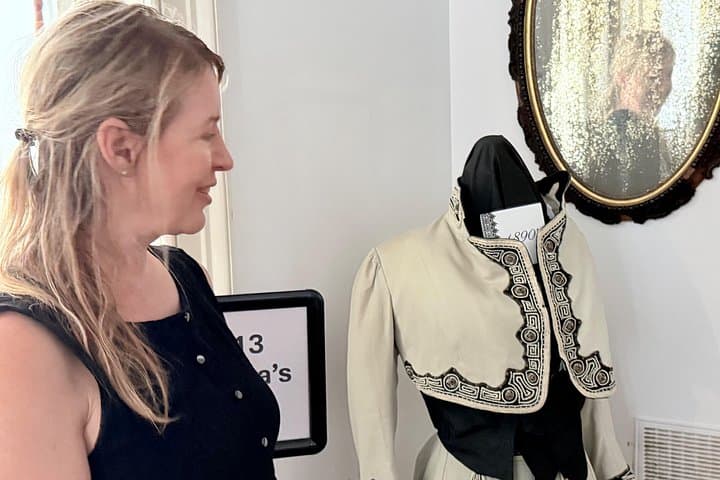

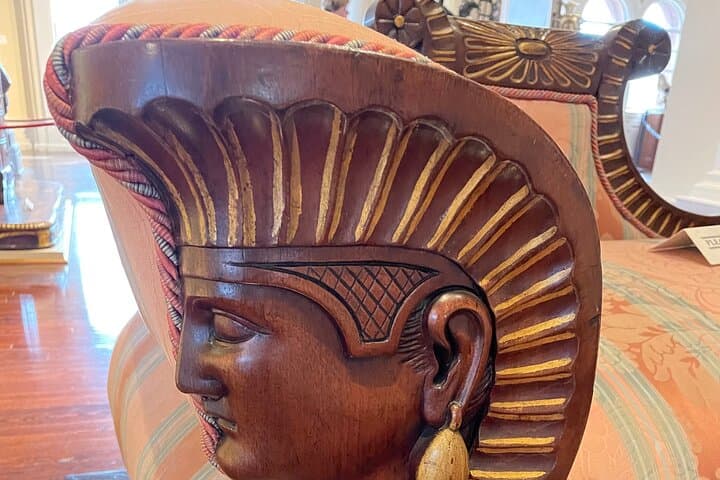
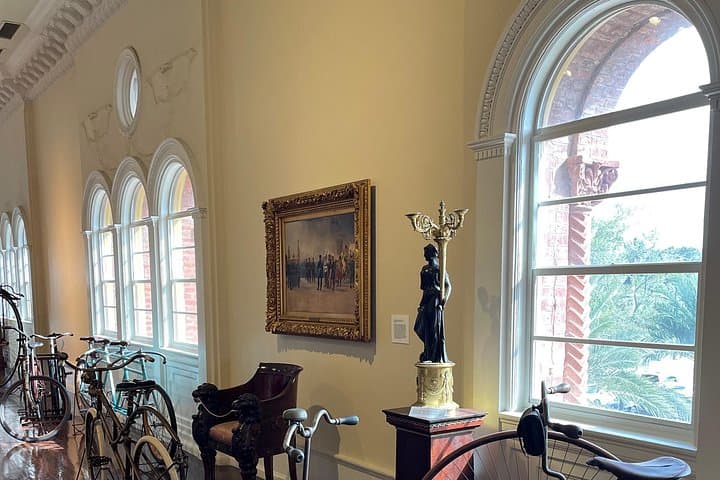
Morning light glances off poured-plaster walls and painted ceilings as you step from a shaded courtyard into the grand lobby of the former Hotel Ponce de Leon. The building hums with stories—oil-money patrons, imported tiles and stained glass—while the guide invites a slower kind of looking, pointing out brushstrokes, architectural flourishes, and the small, human details that tours often miss.
Morning light glances off poured-plaster walls and painted ceilings as you step from a shaded courtyard into the grand lobby of the former Hotel Ponce de Leon. The building hums with stories—oil-money patrons, imported tiles and stained glass—while the guide invites a slower kind of looking, pointing out brushstrokes, architectural flourishes, and the small, human details that tours often miss.
This two-and-a-half-hour private tour focuses on late 19th-century patronage and its present-day echoes. You’ll visit the Lightner Museum’s collection and the Flagler College lobby and courtyard, tracing Henry Flagler’s influence on St. Augustine and the region’s turn from maritime economy to leisure destination. Geology threads through the walk: local coquina stone and Atlantic coastal plain sands shaped foundations and ornamentation. Nearby Jacksonville contributions extend the narrative to contemporary gallery practices and working artists who respond to the region’s coastal light and history.
Expect paced conversation, direct access to gallery owners and artists, and time for questions—this is a guided slow-look rather than a race through exhibits. Practical notes: wear sturdy, breathable shoes for cobbled and tiled floors; carry water and sun protection for courtyard segments; plan for light photography but respect exhibition rules. The tour is wheelchair accessible and family-friendly, though not advised for children under five. Timing mid-morning or late afternoon reduces heat and crowds and gives the façades a more flattering light.
Whether you’re an art student or a curious traveler, the tour blends architectural reading with contemporary studio visits, turning historic spaces into dialogues about wealth, craft, and local creative life.