THE ADVENTURE COLLECTIVE® · Independent discovery and booking for outdoor travel

Beat the crowds with early access and an expert guide through one of the world’s top collections. This semi-private, 2.5-hour tour focuses on masterpieces and the stories that connect them—perfect for first-time visitors or art lovers short on time.
Beat the crowds with early access and an expert guide through one of the world’s top collections. This semi-private, 2.5-hour tour focuses on masterpieces and the stories that connect them—perfect for first-time visitors or art lovers short on time.
You step through the museum doors before most of the city wakes; the galleries are quiet, light pools across canvases, and the guide’s voice draws a straight line through centuries of making. Early-morning access turns the Art Institute’s busiest rooms into a paced conversation with great works — Seurat’s points, Hopper’s streetlight glow, and Van Gogh’s thick crescents of color feel immediate rather than visited.
Verified experiences and guided adventures in the surrounding area.
Operated by Chicago Museum Tours · Chicago, Illinois
You step through the museum doors before most of the city wakes; the galleries are quiet, light pools across canvases, and the guide’s voice draws a straight line through centuries of making. Early-morning access turns the Art Institute’s busiest rooms into a paced conversation with great works — Seurat’s points, Hopper’s streetlight glow, and Van Gogh’s thick crescents of color feel immediate rather than visited.
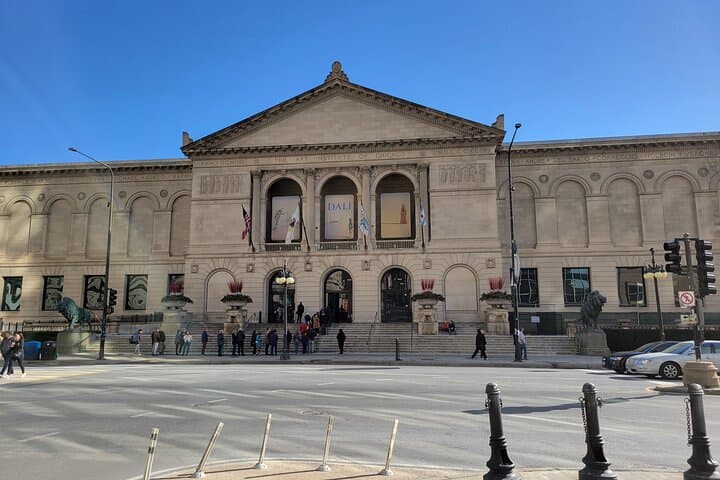
Founded in 1879, the Art Institute of Chicago grew alongside the city’s cultural ambitions and extended into Renzo Piano’s Modern Wing (2009) to showcase contemporary flows beside classical holdings. The permanent collection exceeds 300,000 objects: European paintings, American realism, Asian ceramics and modern installations that trace migration of styles and ideas across continents. The building itself is part of the story — Beaux-Arts façades facing Millennium Park, then glass and light where newer wings meet the skyline.
Practical guidance: arrive 15–20 minutes early with your mobile ticket to use the priority entry; small-group pacing means you’ll spend focused time at major works but expect standing and walking for about 2–3 hours. Wear supportive shoes and a light layer — galleries can vary in temperature. Photography is generally allowed in main galleries but follow signage and guide instructions. Accessibility is strong: elevators and wheelchair-accessible routes are available, and the tour accommodates mobility needs.
Timing a morning tour lets you exit into Millennium Park when it’s still calm, or head to a nearby café for a late breakfast. The tour is ideal for first-time visitors who want context quickly and for repeat visitors seeking fresh scholarly insight.
moderate.
2–3 hours.
Light to moderate fitness—able to stand and walk for up to three hours with short pauses.
The tour runs about 2.5 hours and focuses on major highlights—expect in-depth stops at roughly 8–12 works with commentary and context.
Priority entry reduces wait time at peak hours, but entry depends on arrival time and security checks; arriving early ensures the smoothest access.
Yes — the Art Institute and the tour are wheelchair accessible; note accessibility needs when booking so staff can prepare accommodations.
Photography without flash is generally permitted in most galleries, but some works or special exhibitions may prohibit photos—follow posted rules and your guide’s instructions.
The Art Institute was founded in 1879 and expanded repeatedly to reflect Chicago’s cultural growth; the Modern Wing (opened 2009) broadened space for modern and contemporary collections.
High visitation means the museum manages climate-controlled galleries and rotational displays to protect sensitive works; support visits by following signage and minimizing flash photography.
Chicago Museum Tours operates guided outdoor trips and adventures with an emphasis on safety, stewardship, and memorable experiences.
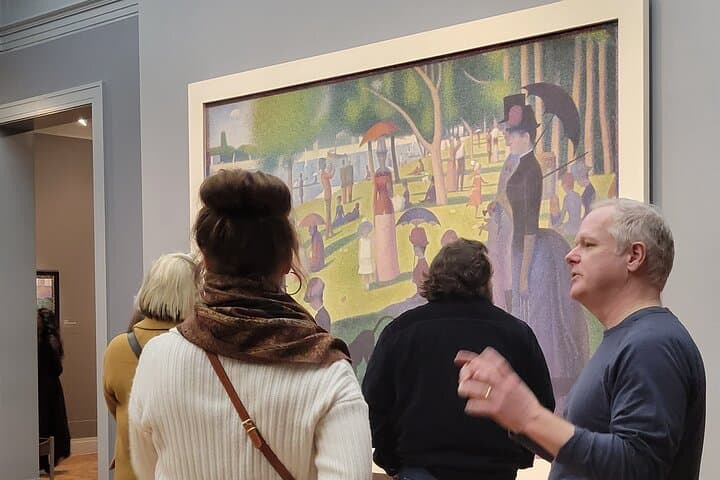
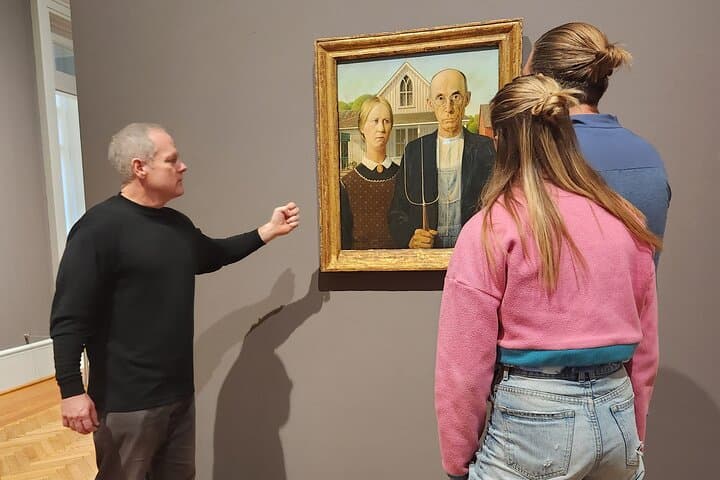
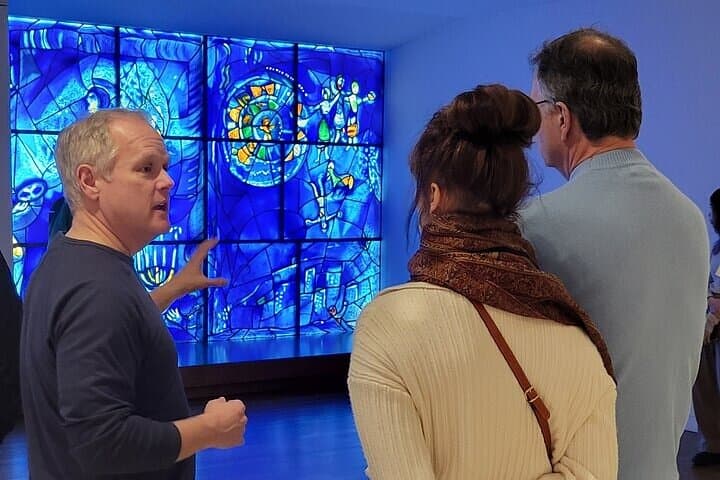
You step through the museum doors before most of the city wakes; the galleries are quiet, light pools across canvases, and the guide’s voice draws a straight line through centuries of making. Early-morning access turns the Art Institute’s busiest rooms into a paced conversation with great works — Seurat’s points, Hopper’s streetlight glow, and Van Gogh’s thick crescents of color feel immediate rather than visited.
You step through the museum doors before most of the city wakes; the galleries are quiet, light pools across canvases, and the guide’s voice draws a straight line through centuries of making. Early-morning access turns the Art Institute’s busiest rooms into a paced conversation with great works — Seurat’s points, Hopper’s streetlight glow, and Van Gogh’s thick crescents of color feel immediate rather than visited.
Founded in 1879, the Art Institute of Chicago grew alongside the city’s cultural ambitions and extended into Renzo Piano’s Modern Wing (2009) to showcase contemporary flows beside classical holdings. The permanent collection exceeds 300,000 objects: European paintings, American realism, Asian ceramics and modern installations that trace migration of styles and ideas across continents. The building itself is part of the story — Beaux-Arts façades facing Millennium Park, then glass and light where newer wings meet the skyline.
Practical guidance: arrive 15–20 minutes early with your mobile ticket to use the priority entry; small-group pacing means you’ll spend focused time at major works but expect standing and walking for about 2–3 hours. Wear supportive shoes and a light layer — galleries can vary in temperature. Photography is generally allowed in main galleries but follow signage and guide instructions. Accessibility is strong: elevators and wheelchair-accessible routes are available, and the tour accommodates mobility needs.
Timing a morning tour lets you exit into Millennium Park when it’s still calm, or head to a nearby café for a late breakfast. The tour is ideal for first-time visitors who want context quickly and for repeat visitors seeking fresh scholarly insight.