THE ADVENTURE COLLECTIVE® · Independent discovery and booking for outdoor travel

Experience Edo-inspired goldfish installations beneath Ginza’s city lights. This short, sensory museum visit pairs theatrical lighting and music with accessible, family-friendly exhibits—ideal for a compact stop in central Tokyo.
Experience Edo-inspired goldfish installations beneath Ginza’s city lights. This short, sensory museum visit pairs theatrical lighting and music with accessible, family-friendly exhibits—ideal for a compact stop in central Tokyo.
Walk into a dim gallery and the room rearranges itself: bowls of glass glow like lanterns, currents push pale fins into choreographed arcs, and music sets the pace for a hundred small tableaux. The Art Aquarium Museum GINZA repurposes department-store space into a modern take on Edo-period goldfish appreciation, where light, scent, and sound frame each aquarium as a miniature stage.
Verified experiences and guided adventures in the surrounding area.
Operated by LINKTIVITY Inc. · Tokyo, Tokyo
Walk into a dim gallery and the room rearranges itself: bowls of glass glow like lanterns, currents push pale fins into choreographed arcs, and music sets the pace for a hundred small tableaux. The Art Aquarium Museum GINZA repurposes department-store space into a modern take on Edo-period goldfish appreciation, where light, scent, and sound frame each aquarium as a miniature stage.
The museum draws on a long Tokyo tradition of goldfish as both domestic pleasure and popular spectacle. Founder Hidetaka Kimura elevated that pastime into contemporary installation art—combining classical Japanese motifs with theatrical lighting. The setting inside Ginza Mitsukoshi (open there since May 2022) favors deliberate sightlines over natural history; geology yields to urban design, and cultural context matters more than habitat realism.
Expect layered visuals: stacked tanks, mirrored rooms, and seasonal arrangements that shift color and composition through the year. Photography is common—frames for social media—but keep to handheld shots and follow any in-gallery restrictions to avoid stressing the fish.
Practicalities are straightforward: admission is a short visit (about 50–70 minutes), tickets are mobile-friendly and final sale, and the space is wheelchair accessible. Peak evenings draw crowds, so go earlier for quieter viewing and better photos. Bring a charged camera, a light jacket for air-conditioned galleries, and an attentive curiosity; the experience is sensory and concise, best appreciated at a calm, observant pace.
easy.
50–70 minutes.
Suitable for all fitness levels; mostly standing and slow walking on flat surfaces.
No—sales are final. Purchase only after confirming your plans; mobile tickets are accepted at entry.
Yes, the venue and its surfaces are wheelchair accessible and service animals are allowed.
Handheld photography is commonly permitted, but flash, tripods, and anything that could disturb the fish may be restricted—follow posted rules.
Plan on 50–70 minutes to see the exhibits at a relaxed pace; photography may add extra time.
The Art Aquarium concept modernizes Edo-period goldfish appreciation—an urban pastime that became theatrical exhibition art under curator Hidetaka Kimura.
The museum emphasizes controlled environments and low-stress handling; visitors should avoid flash photography and follow staff directions to minimize impact on the fish.
LINKTIVITY Inc. operates guided outdoor trips and adventures with an emphasis on safety, stewardship, and memorable experiences.
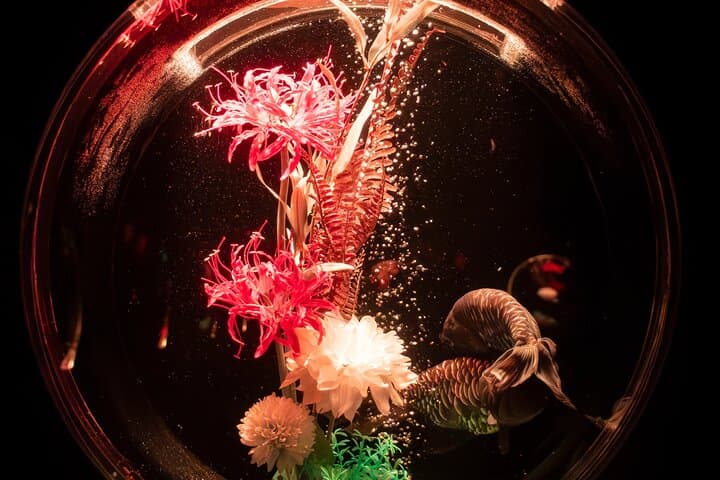
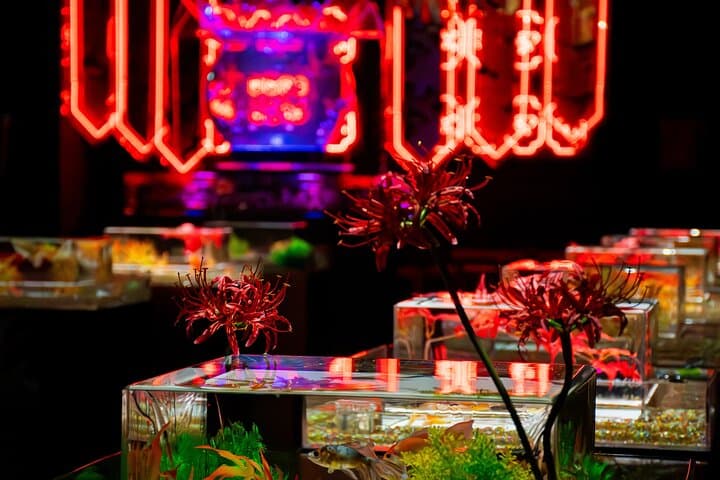
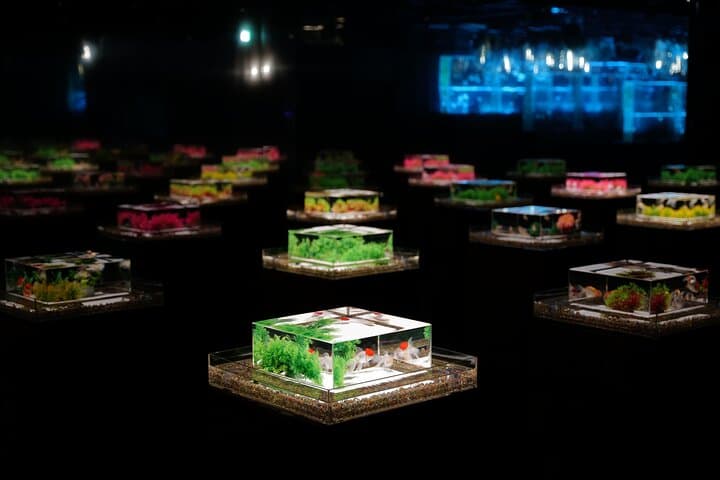
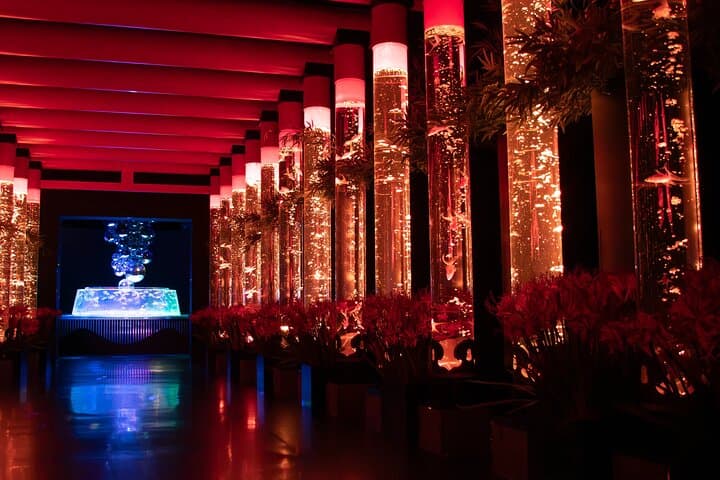
Walk into a dim gallery and the room rearranges itself: bowls of glass glow like lanterns, currents push pale fins into choreographed arcs, and music sets the pace for a hundred small tableaux. The Art Aquarium Museum GINZA repurposes department-store space into a modern take on Edo-period goldfish appreciation, where light, scent, and sound frame each aquarium as a miniature stage.
Walk into a dim gallery and the room rearranges itself: bowls of glass glow like lanterns, currents push pale fins into choreographed arcs, and music sets the pace for a hundred small tableaux. The Art Aquarium Museum GINZA repurposes department-store space into a modern take on Edo-period goldfish appreciation, where light, scent, and sound frame each aquarium as a miniature stage.
The museum draws on a long Tokyo tradition of goldfish as both domestic pleasure and popular spectacle. Founder Hidetaka Kimura elevated that pastime into contemporary installation art—combining classical Japanese motifs with theatrical lighting. The setting inside Ginza Mitsukoshi (open there since May 2022) favors deliberate sightlines over natural history; geology yields to urban design, and cultural context matters more than habitat realism.
Expect layered visuals: stacked tanks, mirrored rooms, and seasonal arrangements that shift color and composition through the year. Photography is common—frames for social media—but keep to handheld shots and follow any in-gallery restrictions to avoid stressing the fish.
Practicalities are straightforward: admission is a short visit (about 50–70 minutes), tickets are mobile-friendly and final sale, and the space is wheelchair accessible. Peak evenings draw crowds, so go earlier for quieter viewing and better photos. Bring a charged camera, a light jacket for air-conditioned galleries, and an attentive curiosity; the experience is sensory and concise, best appreciated at a calm, observant pace.