THE ADVENTURE COLLECTIVE® · Independent discovery and booking for outdoor travel

Explore the Met through the lens of theft, forgery, and restitution on a 2.5-hour private tour that examines questionable holdings, wartime looting, and how experts authenticate art. Perfect for anyone fascinated by the intersection of history, law, and cultural heritage.
Explore the Met through the lens of theft, forgery, and restitution on a 2.5-hour private tour that examines questionable holdings, wartime looting, and how experts authenticate art. Perfect for anyone fascinated by the intersection of history, law, and cultural heritage.
You step into the Met lobby and the building seems to lean in, stone and light pressing stories into every gallery wall. The guide slips from story to forensic detail—war-time seizures, looted antiquities, and audacious thefts that read like courtroom drama—while the museum’s galleries keep their measured hush.
Verified experiences and guided adventures in the surrounding area.
Operated by Art Trip · New York, New York
You step into the Met lobby and the building seems to lean in, stone and light pressing stories into every gallery wall. The guide slips from story to forensic detail—war-time seizures, looted antiquities, and audacious thefts that read like courtroom drama—while the museum’s galleries keep their measured hush.
The Metropolitan Museum of Art opened in 1870 and grew into one of the world’s largest encyclopedic collections; along with that growth came complicated provenance histories. This private tour focuses on contested objects, famous forgeries, and the methods curators and conservators use to verify authenticity: stylistic analysis, pigment testing, and archival research.
Expect a cultural deep-dive as much as a gallery walk. The itinerary highlights the Egyptian Temple of Dendur, European masterworks often targeted by forgers, and stories of restitution after wartime looting. The building itself—19th- and early-20th-century additions on Manhattan bedrock—frames those stories with period rooms and museum architecture that reflect changing collection ethics.
Practical notes: the tour runs about 2.5 hours, begins and ends in the main lobby by the seated Pharaoh, and includes admission. It’s accessible and suitable for a wide range of travelers. Ask about photography rules, bring photo ID, and plan to move steadily between galleries; groups are private but the museum remains busy.
This experience is part museum mystery, part education in cultural stewardship—ideal for travelers curious about how art, law, and history intersect within one of New York’s most visited institutions.
easy.
2–3 hours.
Suitable for most fitness levels; requires standing and walking across several galleries.
Yes—entrance fees are included in the booking so you can focus on the tour without purchasing separate tickets.
Photography rules vary by gallery; non-flash photography is generally allowed but tripods and flash are prohibited—confirm specifics with your guide.
Yes, the tour is wheelchair accessible and the Met provides elevators and accessible routes; indicate any accessibility needs when booking.
For a full refund cancel at least 24 hours before the scheduled departure; cancellations within 24 hours are not refundable.
Founded in 1870, the Met expanded rapidly in the late 19th and 20th centuries; provenance and repatriation have been central to its modern curatorial practice.
The Met maintains active provenance research and collaborates on repatriation when rightful ownership is established; visitors should respect display restrictions and museum conservation rules.
Art Trip operates guided outdoor trips and adventures with an emphasis on safety, stewardship, and memorable experiences.
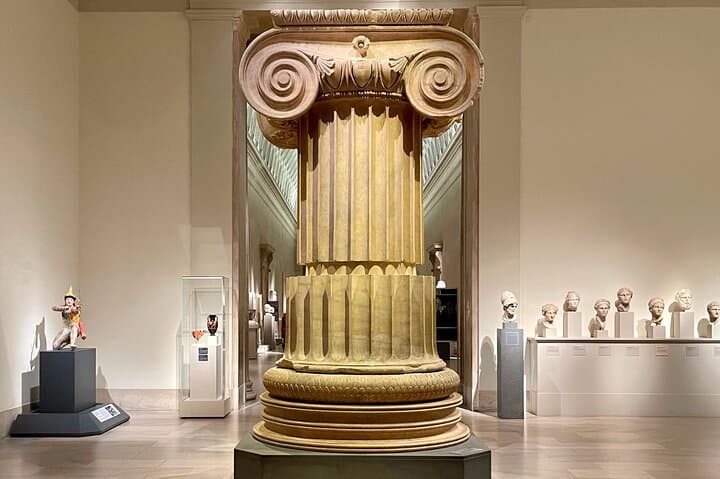
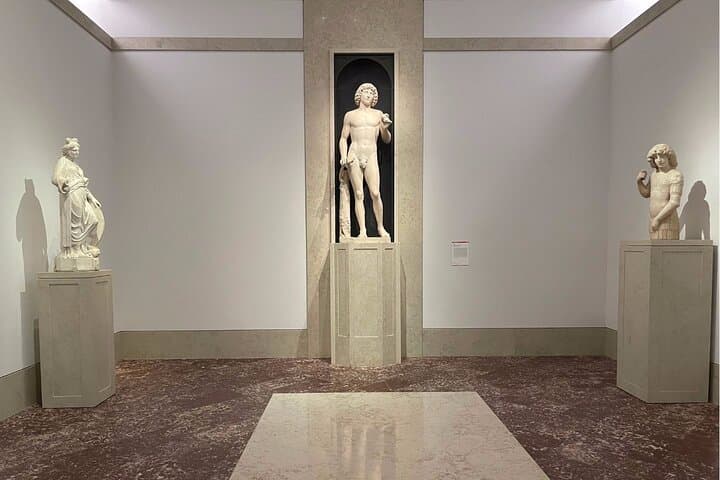
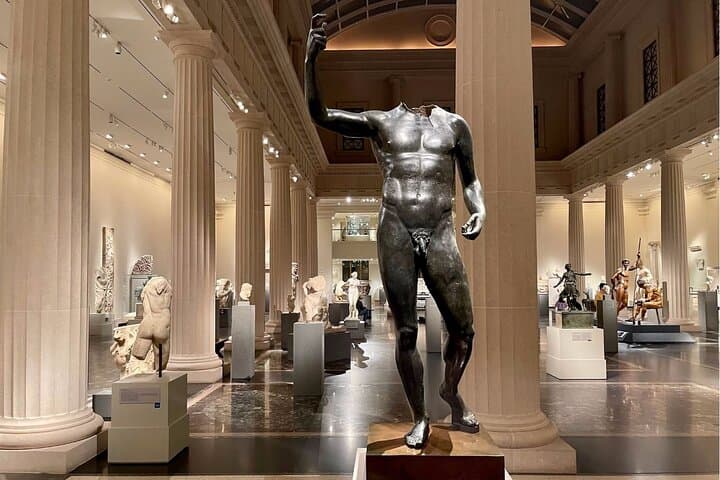
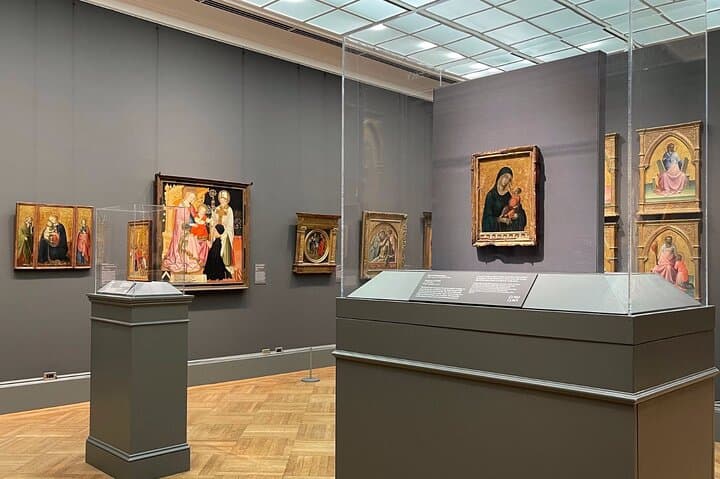
You step into the Met lobby and the building seems to lean in, stone and light pressing stories into every gallery wall. The guide slips from story to forensic detail—war-time seizures, looted antiquities, and audacious thefts that read like courtroom drama—while the museum’s galleries keep their measured hush.
You step into the Met lobby and the building seems to lean in, stone and light pressing stories into every gallery wall. The guide slips from story to forensic detail—war-time seizures, looted antiquities, and audacious thefts that read like courtroom drama—while the museum’s galleries keep their measured hush.
The Metropolitan Museum of Art opened in 1870 and grew into one of the world’s largest encyclopedic collections; along with that growth came complicated provenance histories. This private tour focuses on contested objects, famous forgeries, and the methods curators and conservators use to verify authenticity: stylistic analysis, pigment testing, and archival research.
Expect a cultural deep-dive as much as a gallery walk. The itinerary highlights the Egyptian Temple of Dendur, European masterworks often targeted by forgers, and stories of restitution after wartime looting. The building itself—19th- and early-20th-century additions on Manhattan bedrock—frames those stories with period rooms and museum architecture that reflect changing collection ethics.
Practical notes: the tour runs about 2.5 hours, begins and ends in the main lobby by the seated Pharaoh, and includes admission. It’s accessible and suitable for a wide range of travelers. Ask about photography rules, bring photo ID, and plan to move steadily between galleries; groups are private but the museum remains busy.
This experience is part museum mystery, part education in cultural stewardship—ideal for travelers curious about how art, law, and history intersect within one of New York’s most visited institutions.