THE ADVENTURE COLLECTIVE® · Independent discovery and booking for outdoor travel

Spend a full day exploring Arrábida Natural Park, Palmela Castle, the 7th Coastal Battery, Lapa de Santa Margarida, Sesimbra’s seafood scene and a wine tasting at José Maria da Fonseca. A private driver-led route blends coastal geology, military history and gastronomy.
Spend a full day exploring Arrábida Natural Park, Palmela Castle, the 7th Coastal Battery, Lapa de Santa Margarida, Sesimbra’s seafood scene and a wine tasting at José Maria da Fonseca. A private driver-led route blends coastal geology, military history and gastronomy.
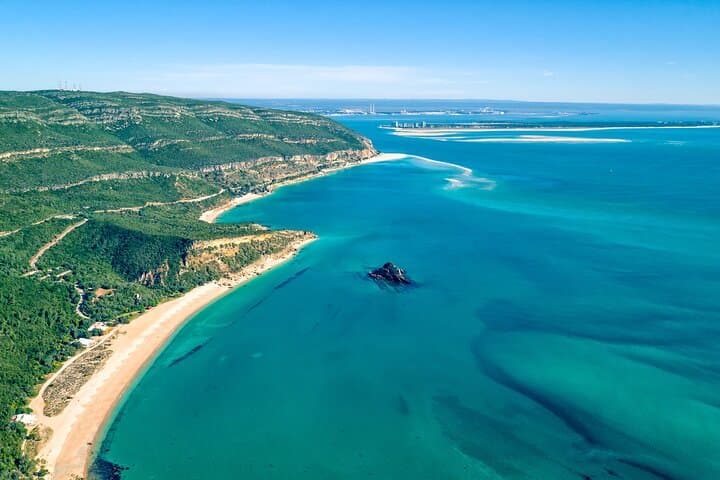
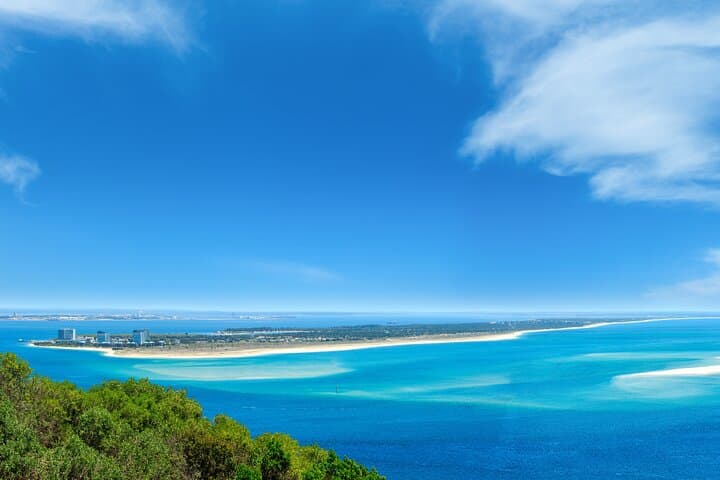
Morning light breaks over the Atlantic and the limestone cliffs of Arrábida come into focus—white rock catching sun like a weathered sail. A private vehicle snakes up from the coast and drops you at Palmela Castle, where stone towers command views over terraced vineyards and the wide Tagus estuary; the air smells faintly of salt and fermenting grapes.
Verified experiences and guided adventures in the surrounding area.
Operated by DreamLisbon · Sesimbra, Setúbal District
Morning light breaks over the Atlantic and the limestone cliffs of Arrábida come into focus—white rock catching sun like a weathered sail. A private vehicle snakes up from the coast and drops you at Palmela Castle, where stone towers command views over terraced vineyards and the wide Tagus estuary; the air smells faintly of salt and fermenting grapes.
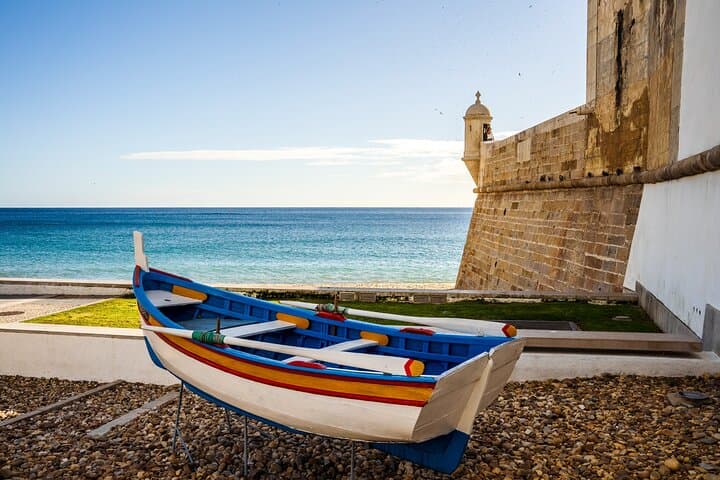
This route stitches military history, coastal geology and gastronomic craft. Palmela’s medieval keep reveals the town’s role guarding inland approaches; the 7th Coastal Battery demonstrates 19th–20th century coastal defense, its concrete and cannon positions aimed at an ocean that has shaped local livelihoods for centuries. Arrábida Natural Park’s karst limestone formed from ancient seabeds, creating cliffs, coves and the Lapa de Santa Margarida—a small cave-chapel where the sea’s voice is part prayer, part geology.
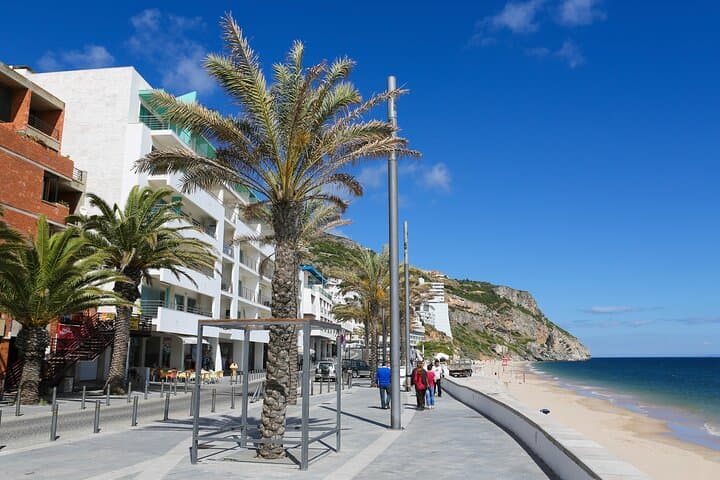
Cultural stops pivot to Azeitão, a village known for queijo and tile-roofed houses, and José Maria da Fonseca, one of Portugal’s oldest wineries; a guided cellar visit and tasting there is a practical introduction to Moscatel and robust reds (tasting fee noted locally at €9.50). Lunch in Sesimbra centers on freshly caught seafood—grilled fish and arroz de marisco—served with harbor views.
Practicalities: wear sturdy shoes for uneven paths and some stair climbing, bring sun protection, and carry water—bottled water is provided on board. The pace is relaxed but full-day; expect 6–8 hours including driving between sites. Book morning departures to avoid afternoon heat and allow time for a long seafood lunch and the winery tasting.
easy.
8 hours.
Suitable for all fitness levels; requires short walks, stairs and standing during tastings and viewpoints.
This is an approximately 8-hour private full-day tour, including driving between stops and time for lunch and tastings.
The tour visits José Maria da Fonseca and a tasting is available; the guided tasting fee is noted locally at €9.50 per person.
The itinerary is suitable for most fitness levels but includes stairs and uneven terrain at historical sites; infant seats are available and strollers can be used in some areas.
Tours commonly depart from Lisbon or arranged pickup points; travel time to the Arrábida area is about 40–60 minutes depending on traffic.
This coastal corridor has layers of history from medieval fortifications at Palmela to 19th–20th century coastal batteries guarding Lisbon’s approaches; winemaking in Azeitão dates back centuries.
Arrábida Natural Park is a protected area with restrictions on development and a focus on preserving coastal limestone habitats; visitors should stay on marked paths and avoid disturbing vegetation.
DreamLisbon operates guided outdoor trips and adventures with an emphasis on safety, stewardship, and memorable experiences.
Morning light breaks over the Atlantic and the limestone cliffs of Arrábida come into focus—white rock catching sun like a weathered sail. A private vehicle snakes up from the coast and drops you at Palmela Castle, where stone towers command views over terraced vineyards and the wide Tagus estuary; the air smells faintly of salt and fermenting grapes.
Morning light breaks over the Atlantic and the limestone cliffs of Arrábida come into focus—white rock catching sun like a weathered sail. A private vehicle snakes up from the coast and drops you at Palmela Castle, where stone towers command views over terraced vineyards and the wide Tagus estuary; the air smells faintly of salt and fermenting grapes.
This route stitches military history, coastal geology and gastronomic craft. Palmela’s medieval keep reveals the town’s role guarding inland approaches; the 7th Coastal Battery demonstrates 19th–20th century coastal defense, its concrete and cannon positions aimed at an ocean that has shaped local livelihoods for centuries. Arrábida Natural Park’s karst limestone formed from ancient seabeds, creating cliffs, coves and the Lapa de Santa Margarida—a small cave-chapel where the sea’s voice is part prayer, part geology.
Cultural stops pivot to Azeitão, a village known for queijo and tile-roofed houses, and José Maria da Fonseca, one of Portugal’s oldest wineries; a guided cellar visit and tasting there is a practical introduction to Moscatel and robust reds (tasting fee noted locally at €9.50). Lunch in Sesimbra centers on freshly caught seafood—grilled fish and arroz de marisco—served with harbor views.
Practicalities: wear sturdy shoes for uneven paths and some stair climbing, bring sun protection, and carry water—bottled water is provided on board. The pace is relaxed but full-day; expect 6–8 hours including driving between sites. Book morning departures to avoid afternoon heat and allow time for a long seafood lunch and the winery tasting.