THE ADVENTURE COLLECTIVE® · Independent discovery and booking for outdoor travel

Coastal cliffs, estuary views and a family-run winery: this private day tour around Arrábida and Setúbal pairs short walks with local food and sweeping panoramas. Read on for what to expect, where to stop, and how to prepare for the day.
Coastal cliffs, estuary views and a family-run winery: this private day tour around Arrábida and Setúbal pairs short walks with local food and sweeping panoramas. Read on for what to expect, where to stop, and how to prepare for the day.
You arrive at a cliff road where the sea throws itself against limestone ribs and the air tastes faintly of salt and wild thyme. The van eases around a bend and the Troia peninsula and the wide mouth of the Sado estuary lay open like a map—boats, salt flats, and a scattering of dune-backed beaches. This is the coastal spine of Arrábida, a compact park of white rock and green-covered slopes that falls into the Atlantic.
Verified experiences and guided adventures in the surrounding area.
Operated by Portugal Unknown Tours · Setúbal, Setúbal District
You arrive at a cliff road where the sea throws itself against limestone ribs and the air tastes faintly of salt and wild thyme. The van eases around a bend and the Troia peninsula and the wide mouth of the Sado estuary lay open like a map—boats, salt flats, and a scattering of dune-backed beaches. This is the coastal spine of Arrábida, a compact park of white rock and green-covered slopes that falls into the Atlantic.
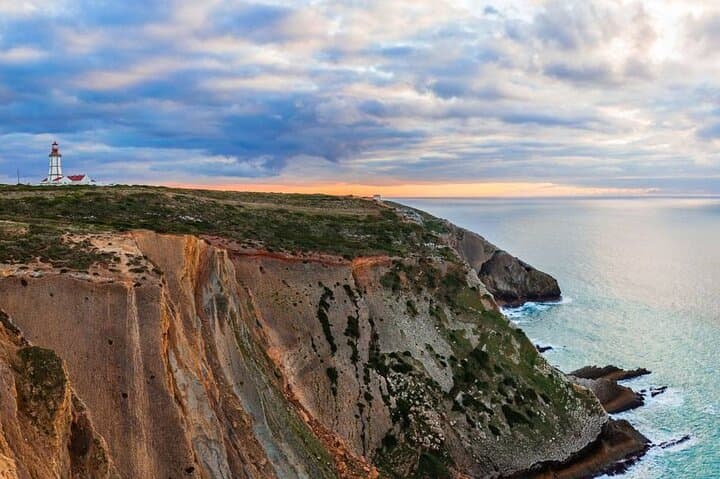
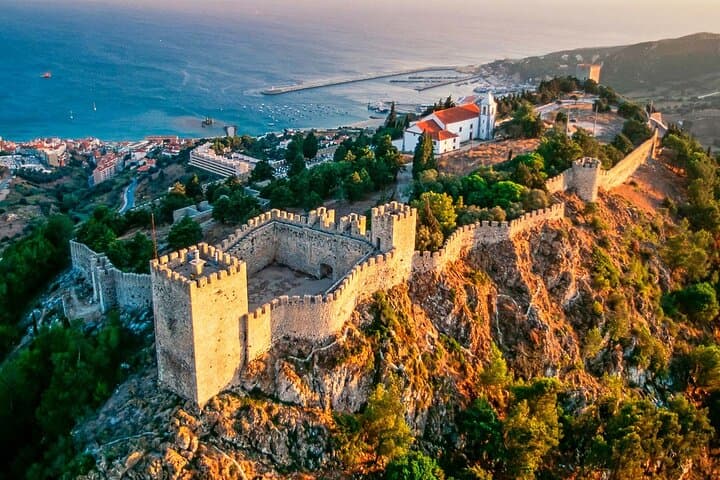
Historically the headlands guided sailors and sheltered fishing villages; Palmela’s hilltop castle still watches the plain that fed medieval trade routes and later the cork and wine economies. Geologically the area is defined by Cenozoic limestones and karst cliffs that create small caves and abrupt viewpoints. Culturally the coast is equally about seafood markets in Setúbal, family-run wineries in Palmela, and small chapels like the Sanctuary at Cabo Espichel.
On an eight-hour private tour expect short walks to viewpoints, a relaxed lunch stop in Setúbal—famous for fresh fish—and a guided winery tasting that explains local varieties. Practical points: bring sturdy shoes for uneven cliff paths, sun protection for exposed viewpoints, and a refillable bottle; timing mid-morning or late afternoon avoids the hottest light and the busiest streets. Photography opportunities are frequent but respect private property and protected zones in Arrábida Natural Park. For travelers seeking coastal panoramas without long hikes, this day tour stitches geology, local food, and quiet beaches into a single, manageable loop.
moderate.
8 hours.
Suitable for travelers with moderate fitness; involves short walks, some standing at viewpoints, and stairs at historical sites.
Typically the tour operates from Setúbal or arranged pickup points nearby; check pickup location when booking as private transfers are included.
Lunch in Setúbal is not always included—check the booking details; the itinerary lists a stop for lunch but cost may be on the traveler unless specified otherwise.
Yes—stroller access is noted and infant seats are available, but expect uneven surfaces at viewpoints that may require carrying children short distances.
Full refund if cancelled at least 24 hours before departure; cancellations less than 24 hours are non-refundable and the operator may cancel for bad weather or insufficient travelers.
Palmela’s castle and surrounding vineyards reflect centuries of strategic and agricultural importance; Cabo Espichel houses a historic pilgrimage site and lighthouse used by sailors for generations.
Much of Arrábida is a protected natural park—stick to marked trails, avoid removing plants or shells, and follow local guidelines to minimize erosion and disturbance.
Portugal Unknown Tours operates guided outdoor trips and adventures with an emphasis on safety, stewardship, and memorable experiences.
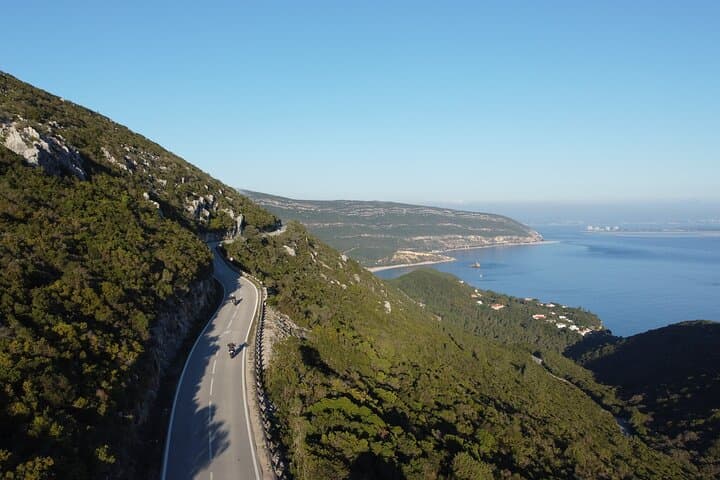
You arrive at a cliff road where the sea throws itself against limestone ribs and the air tastes faintly of salt and wild thyme. The van eases around a bend and the Troia peninsula and the wide mouth of the Sado estuary lay open like a map—boats, salt flats, and a scattering of dune-backed beaches. This is the coastal spine of Arrábida, a compact park of white rock and green-covered slopes that falls into the Atlantic.
You arrive at a cliff road where the sea throws itself against limestone ribs and the air tastes faintly of salt and wild thyme. The van eases around a bend and the Troia peninsula and the wide mouth of the Sado estuary lay open like a map—boats, salt flats, and a scattering of dune-backed beaches. This is the coastal spine of Arrábida, a compact park of white rock and green-covered slopes that falls into the Atlantic.
Historically the headlands guided sailors and sheltered fishing villages; Palmela’s hilltop castle still watches the plain that fed medieval trade routes and later the cork and wine economies. Geologically the area is defined by Cenozoic limestones and karst cliffs that create small caves and abrupt viewpoints. Culturally the coast is equally about seafood markets in Setúbal, family-run wineries in Palmela, and small chapels like the Sanctuary at Cabo Espichel.
On an eight-hour private tour expect short walks to viewpoints, a relaxed lunch stop in Setúbal—famous for fresh fish—and a guided winery tasting that explains local varieties. Practical points: bring sturdy shoes for uneven cliff paths, sun protection for exposed viewpoints, and a refillable bottle; timing mid-morning or late afternoon avoids the hottest light and the busiest streets. Photography opportunities are frequent but respect private property and protected zones in Arrábida Natural Park. For travelers seeking coastal panoramas without long hikes, this day tour stitches geology, local food, and quiet beaches into a single, manageable loop.