THE ADVENTURE COLLECTIVE® · Independent discovery and booking for outdoor travel

Escape Lisbon for a half-day private tour through Arrábida Natural Park to see limestone cliffs, a 16th‑century convent, São Filipe fortress and Setúbal’s famed Livramento Market. This guided route pairs quick coastal hikes with cultural stops and local tastings.
Escape Lisbon for a half-day private tour through Arrábida Natural Park to see limestone cliffs, a 16th‑century convent, São Filipe fortress and Setúbal’s famed Livramento Market. This guided route pairs quick coastal hikes with cultural stops and local tastings.
You step out of Lisbon’s bustle and, within an hour, the granite slopes of Arrábida rise like a patient wall between the city and the Atlantic. The road eases through vineyards and small whitewashed villages; the sea scent grows stronger and the wind starts to shape the limestone cliffs.
Verified experiences and guided adventures in the surrounding area.
Operated by TakingUThere · Setúbal, Setúbal District
You step out of Lisbon’s bustle and, within an hour, the granite slopes of Arrábida rise like a patient wall between the city and the Atlantic. The road eases through vineyards and small whitewashed villages; the sea scent grows stronger and the wind starts to shape the limestone cliffs.
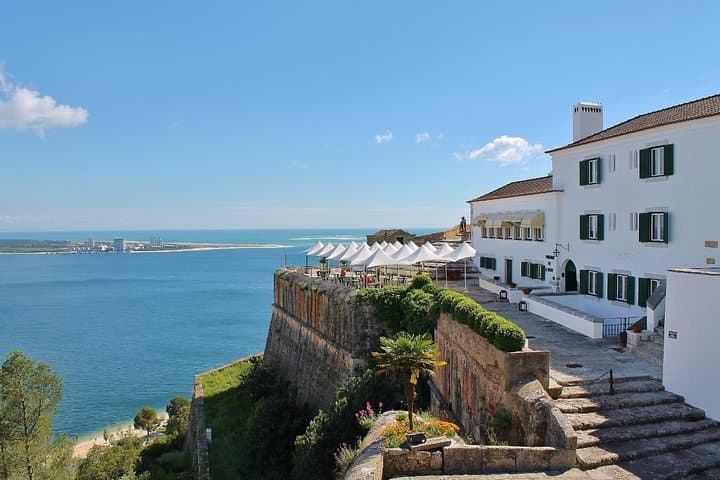
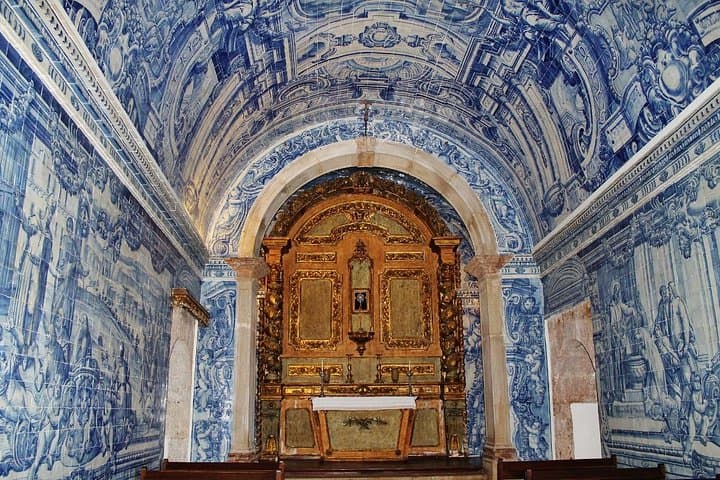
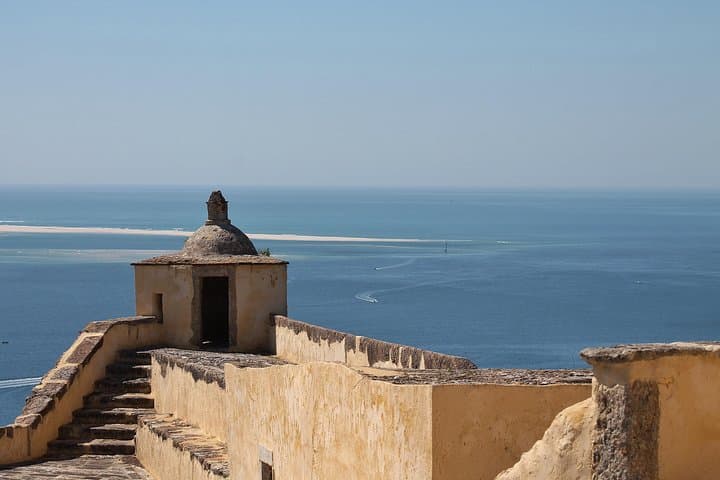
Arrábida National Park is compact but varied: Miocene limestone and older schists form steep coastal escarpments, natural caves and narrow valleys that have guided people here for centuries. The 16th-century Arrábida Convent perches on a ridge; Forte de São Filipe, a star fort built at the turn of the 17th century, watches the Sado estuary and historic Setúbal below. In town, Mercado do Livramento displays azulejo panels and an array of Atlantic fish — sardines still rule the counter.
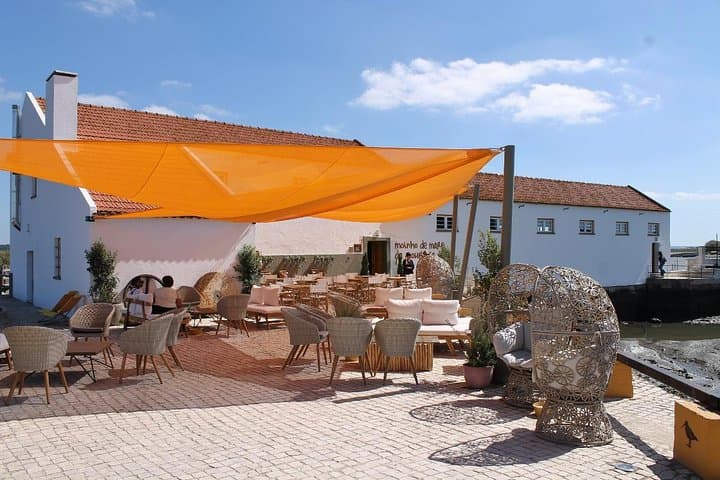
Culturally the area is agricultural and maritime: Azeitão produces creamy cheeses and robust Moscatel-style wines, while small tide mills near the wetlands recall a time when tides powered industry rather than engines.
Practical guide: this private, roughly four-hour excursion blends short walks with several roadside photo stops and brief museum or market visits. Wear sturdy walking shoes for uneven coastal viewpoints, bring sun protection and a light layer for coastal breezes. Summer brings beach opportunities at Portinho da Arrábida; spring and autumn offer cooler air and better light for photography. Expect moderate fitness for short climbs and standing in markets; the tour covers driving between dispersed sites, with pick-up and drop-off in Lisbon or the cruise port. Hydrate, move steadily on limestone paths that can be slippery after rain, and leave time to taste Azeitão cheese — it’s part of the region’s story.
moderate.
4 hours.
Moderate — able to do short uphill walks, stand for market visits and climb fortress ramps.
Yes — pick-up and drop-off from a Lisbon hotel, Airbnb or cruise port are included as part of this private tour.
Depending on traffic it's about 40–60 minutes to the Arrábida area; travel time is built into the four-hour schedule.
In summer, Portinho da Arrábida and nearby coves are swimmable with typically calm water; lifeguards may be seasonal so check local notices.
Infants and small children may use a stroller for flat market areas, but fortress ramps and some viewpoints require short walks over uneven ground.
The Arrábida convent dates to 1542 and the São Filipe fortress was built 1590–1600 to guard the Sado estuary against sea threats.
Arrábida is a protected natural park balancing tourism and agriculture; visitors should stick to marked paths and avoid disturbing nesting birds and dune vegetation.
TakingUThere operates guided outdoor trips and adventures with an emphasis on safety, stewardship, and memorable experiences.
You step out of Lisbon’s bustle and, within an hour, the granite slopes of Arrábida rise like a patient wall between the city and the Atlantic. The road eases through vineyards and small whitewashed villages; the sea scent grows stronger and the wind starts to shape the limestone cliffs.
You step out of Lisbon’s bustle and, within an hour, the granite slopes of Arrábida rise like a patient wall between the city and the Atlantic. The road eases through vineyards and small whitewashed villages; the sea scent grows stronger and the wind starts to shape the limestone cliffs.
Arrábida National Park is compact but varied: Miocene limestone and older schists form steep coastal escarpments, natural caves and narrow valleys that have guided people here for centuries. The 16th-century Arrábida Convent perches on a ridge; Forte de São Filipe, a star fort built at the turn of the 17th century, watches the Sado estuary and historic Setúbal below. In town, Mercado do Livramento displays azulejo panels and an array of Atlantic fish — sardines still rule the counter.
Culturally the area is agricultural and maritime: Azeitão produces creamy cheeses and robust Moscatel-style wines, while small tide mills near the wetlands recall a time when tides powered industry rather than engines.
Practical guide: this private, roughly four-hour excursion blends short walks with several roadside photo stops and brief museum or market visits. Wear sturdy walking shoes for uneven coastal viewpoints, bring sun protection and a light layer for coastal breezes. Summer brings beach opportunities at Portinho da Arrábida; spring and autumn offer cooler air and better light for photography. Expect moderate fitness for short climbs and standing in markets; the tour covers driving between dispersed sites, with pick-up and drop-off in Lisbon or the cruise port. Hydrate, move steadily on limestone paths that can be slippery after rain, and leave time to taste Azeitão cheese — it’s part of the region’s story.