THE ADVENTURE COLLECTIVE® · Independent discovery and booking for outdoor travel

Spend a day exploring Arrábida Natural Park’s cliffs, sheltered beaches and a 16th-century monastery on this private eight-hour tour from Lisbon. Expect beach breaks, wine tasting in Setúbal and a tile workshop in Azeitão.
Spend a day exploring Arrábida Natural Park’s cliffs, sheltered beaches and a 16th-century monastery on this private eight-hour tour from Lisbon. Expect beach breaks, wine tasting in Setúbal and a tile workshop in Azeitão.
A ribbon of limestone cliffs drops into blue-green water as the minivan eases onto the coastal road—this is Arrábida Natural Park seen from a window seat. The air smells of salt and pine; waves lap at small coves below scrub-covered slopes. A private driver-guide threads between lookout points, giving space to the landscape while pointing out anchorages and tiny beaches where locals sunbathe.
Verified experiences and guided adventures in the surrounding area.
Operated by Real Embrace Portugal · Setúbal, Setúbal District
A ribbon of limestone cliffs drops into blue-green water as the minivan eases onto the coastal road—this is Arrábida Natural Park seen from a window seat. The air smells of salt and pine; waves lap at small coves below scrub-covered slopes. A private driver-guide threads between lookout points, giving space to the landscape while pointing out anchorages and tiny beaches where locals sunbathe.
Visible in the folds of the range are human traces: a 16th-century monastery carved into rock for solitary prayer, and remnants of fortifications that watched Sado estuary traffic for centuries. Geologically, Arrábida’s folded limestone produces sheer cliffs, karst pockets and sheltered bays that contrast with the sandy curves of Figueirinha and Portinho da Arrábida. Culturally the area is tied to Setúbal’s fishing traditions and Azeitão’s wine and cheese producers; the tile workshop included on many tours recalls Portugal’s azulejo craft.
Practical travel: expect an eight-hour day with short walks, lookout stops and two beach breaks—not a strenuous hike but uneven ground at viewpoints. Bring sun protection, a light layer for cliff winds, and comfortable shoes for stepping over limestone slabs. Tastings of Moscatel and cheeses in Setúbal are timed into a relaxed lunch; the tour’s private format lets you linger at favored viewpoints or skip a stop to stay on the sand.
Timing matters: morning light is best for east-facing coves and late afternoon casts warmer tones across the monastery and the Troia peninsula. Respect protected signs, pack out what you bring, and savor the mix of coastal geology, island views and local flavors that define Arrábida.
easy.
8 hours.
Suitable for most fitness levels; involves short walks and standing at viewpoints
The experience runs about eight hours and typically includes transport from Lisbon, a private driver/guide, wine tasting, a tile workshop in Azeitão, lunch in Setúbal and stops at Portinho da Arrábida, Figueirinha and the monastery viewpoint.
The tour is suitable for most ages but involves short walks on uneven surfaces; participants with limited mobility should check specific stop accessibility in advance.
Yes—Portinho da Arrábida and Figueirinha are popular for swimming; temperatures vary by season and there are typically no lifeguards at smaller coves.
Bring a small amount of cash for local vendors or smaller shops, though credit cards are widely accepted in restaurants and tasting rooms.
Arrábida’s cliffs and coves have hosted monastic retreats and coastal defenses since the 16th–17th centuries, reflecting the region’s maritime importance.
The park is a protected area—stay on marked paths, avoid trampling fragile vegetation and follow local guidelines to minimize coastal erosion and disturbance to marine habitats.
Real Embrace Portugal operates guided outdoor trips and adventures with an emphasis on safety, stewardship, and memorable experiences.
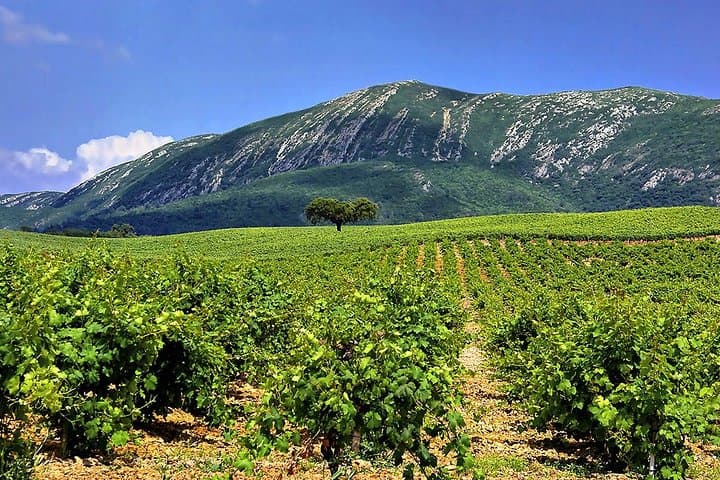


A ribbon of limestone cliffs drops into blue-green water as the minivan eases onto the coastal road—this is Arrábida Natural Park seen from a window seat. The air smells of salt and pine; waves lap at small coves below scrub-covered slopes. A private driver-guide threads between lookout points, giving space to the landscape while pointing out anchorages and tiny beaches where locals sunbathe.
A ribbon of limestone cliffs drops into blue-green water as the minivan eases onto the coastal road—this is Arrábida Natural Park seen from a window seat. The air smells of salt and pine; waves lap at small coves below scrub-covered slopes. A private driver-guide threads between lookout points, giving space to the landscape while pointing out anchorages and tiny beaches where locals sunbathe.
Visible in the folds of the range are human traces: a 16th-century monastery carved into rock for solitary prayer, and remnants of fortifications that watched Sado estuary traffic for centuries. Geologically, Arrábida’s folded limestone produces sheer cliffs, karst pockets and sheltered bays that contrast with the sandy curves of Figueirinha and Portinho da Arrábida. Culturally the area is tied to Setúbal’s fishing traditions and Azeitão’s wine and cheese producers; the tile workshop included on many tours recalls Portugal’s azulejo craft.
Practical travel: expect an eight-hour day with short walks, lookout stops and two beach breaks—not a strenuous hike but uneven ground at viewpoints. Bring sun protection, a light layer for cliff winds, and comfortable shoes for stepping over limestone slabs. Tastings of Moscatel and cheeses in Setúbal are timed into a relaxed lunch; the tour’s private format lets you linger at favored viewpoints or skip a stop to stay on the sand.
Timing matters: morning light is best for east-facing coves and late afternoon casts warmer tones across the monastery and the Troia peninsula. Respect protected signs, pack out what you bring, and savor the mix of coastal geology, island views and local flavors that define Arrábida.