THE ADVENTURE COLLECTIVE® · Independent discovery and booking for outdoor travel

Cross the 25 de Abril bridge and spend a day tasting Moscatel, watching cliffs meet turquoise Atlantic waters, and eating fresh seafood in Setúbal. This small-group tour pairs short walks and guided cellar visits with dramatic coastal viewpoints.
Cross the 25 de Abril bridge and spend a day tasting Moscatel, watching cliffs meet turquoise Atlantic waters, and eating fresh seafood in Setúbal. This small-group tour pairs short walks and guided cellar visits with dramatic coastal viewpoints.
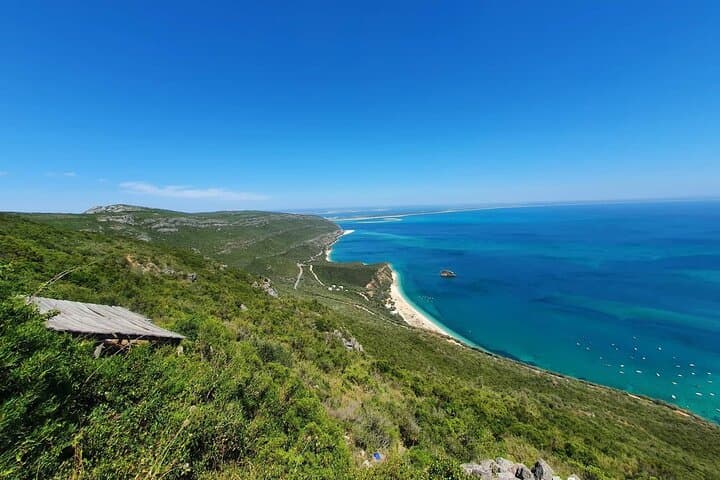
You leave Lisbon behind as the 25 de Abril bridge narrows into the rearview and the Cristo Rei statue watches the city shrink. The road bends south toward the Arrábida range, where wind-and-salt-polished limestone pushes up from the Atlantic and the sea tugs at the edge of every cliff.
Verified experiences and guided adventures in the surrounding area.
Operated by LusoXperience · Lisbon, Lisbon District
You leave Lisbon behind as the 25 de Abril bridge narrows into the rearview and the Cristo Rei statue watches the city shrink. The road bends south toward the Arrábida range, where wind-and-salt-polished limestone pushes up from the Atlantic and the sea tugs at the edge of every cliff.
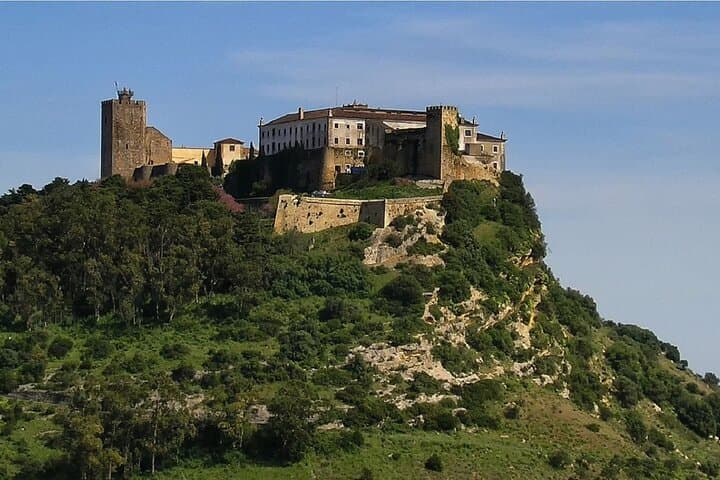
The day traces human and geological layers: Roman-era viticulture gave way to Moorish and later Portuguese estates, while the Arrábida limestone escarpments record ancient seabeds folded into steep slopes. Azeitão’s small shops keep centuries-old cheese and Moscatel-making techniques alive; tile artisans still press clay by hand like their grandparents did. Palmela Castle stands atop older settlements, its stones a practical vantage over a peninsula carved by trade and tides.
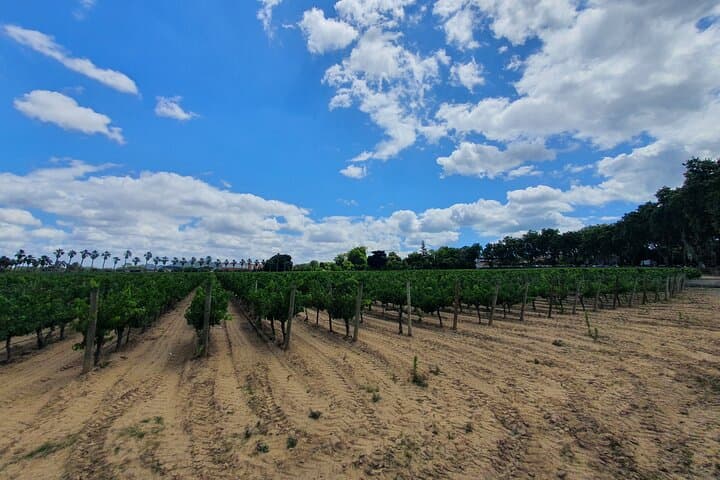
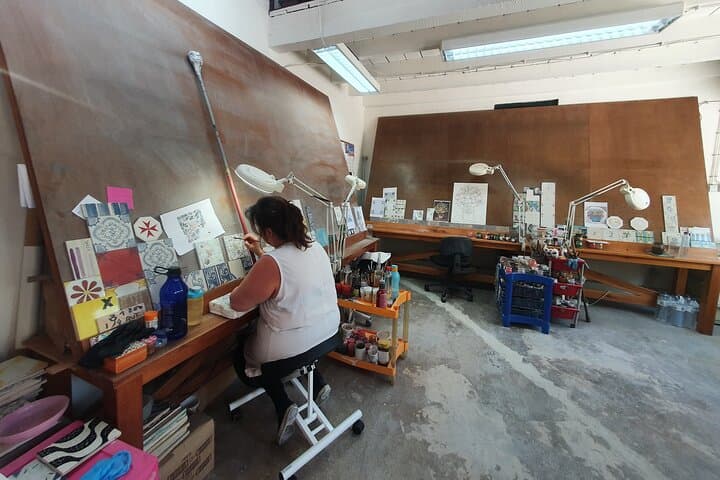
You’ll hop between short, guided stops — a cellar tour with a Moscatel tasting, a tile workshop visit, cliffside viewpoints where turquoise water dares you to look closer, and a seafood lunch in Setúbal where salted fish flavors the harbor air. The group size (up to eight) keeps the tempo deliberate: plenty of time for photos and quick walks, not long hikes.
Practical notes: bring sun protection, comfortable shoes for uneven paths and castle steps, and a light layer for coastal breezes. Expect an eight-hour day with seat time in a climate-controlled vehicle and optional extra-cost access at some sites. This is an accessible, sensory-rich introduction to the Setúbal Peninsula — equal parts geology, gastronomy, and seaside panoramas.
easy.
8 hours.
Suitable for most fitness levels—short walks and steps but no sustained hiking.
The tour runs about eight hours and includes private transportation, a professional guide, some cellar visits and tastings, and stops at key viewpoints; specific admissions may be extra.
Yes—wine tastings are for ages 18 and over; bring ID if you plan to sample.
Yes—notify the operator when booking so they can arrange alternative dishes for lunch or adjust stops when possible.
The route is stroller-accessible in the vehicle, but some stops have steps and uneven ground; infant seats are available on request.
The Setúbal Peninsula has long been a crossroads for fishing, shipbuilding and winemaking; Palmela Castle and nearby estates reflect medieval to early-modern strategic and agricultural uses.
Arrábida is a designated natural park; visitors should stick to marked viewpoints and avoid disturbing coastal vegetation and marine habitats to limit erosion and protect local species.
LusoXperience operates guided outdoor trips and adventures with an emphasis on safety, stewardship, and memorable experiences.
You leave Lisbon behind as the 25 de Abril bridge narrows into the rearview and the Cristo Rei statue watches the city shrink. The road bends south toward the Arrábida range, where wind-and-salt-polished limestone pushes up from the Atlantic and the sea tugs at the edge of every cliff.
You leave Lisbon behind as the 25 de Abril bridge narrows into the rearview and the Cristo Rei statue watches the city shrink. The road bends south toward the Arrábida range, where wind-and-salt-polished limestone pushes up from the Atlantic and the sea tugs at the edge of every cliff.
The day traces human and geological layers: Roman-era viticulture gave way to Moorish and later Portuguese estates, while the Arrábida limestone escarpments record ancient seabeds folded into steep slopes. Azeitão’s small shops keep centuries-old cheese and Moscatel-making techniques alive; tile artisans still press clay by hand like their grandparents did. Palmela Castle stands atop older settlements, its stones a practical vantage over a peninsula carved by trade and tides.
You’ll hop between short, guided stops — a cellar tour with a Moscatel tasting, a tile workshop visit, cliffside viewpoints where turquoise water dares you to look closer, and a seafood lunch in Setúbal where salted fish flavors the harbor air. The group size (up to eight) keeps the tempo deliberate: plenty of time for photos and quick walks, not long hikes.
Practical notes: bring sun protection, comfortable shoes for uneven paths and castle steps, and a light layer for coastal breezes. Expect an eight-hour day with seat time in a climate-controlled vehicle and optional extra-cost access at some sites. This is an accessible, sensory-rich introduction to the Setúbal Peninsula — equal parts geology, gastronomy, and seaside panoramas.