THE ADVENTURE COLLECTIVE® · Independent discovery and booking for outdoor travel

Drive the coastal roads of Serra da Arrábida, taste historic Moscatel at a family quinta, and explore Setúbal’s lively fish market on this full‑day private tour. Expect limestone cliffs, sheltered beaches, and short panoramic walks with cultural stops.
Drive the coastal roads of Serra da Arrábida, taste historic Moscatel at a family quinta, and explore Setúbal’s lively fish market on this full‑day private tour. Expect limestone cliffs, sheltered beaches, and short panoramic walks with cultural stops.
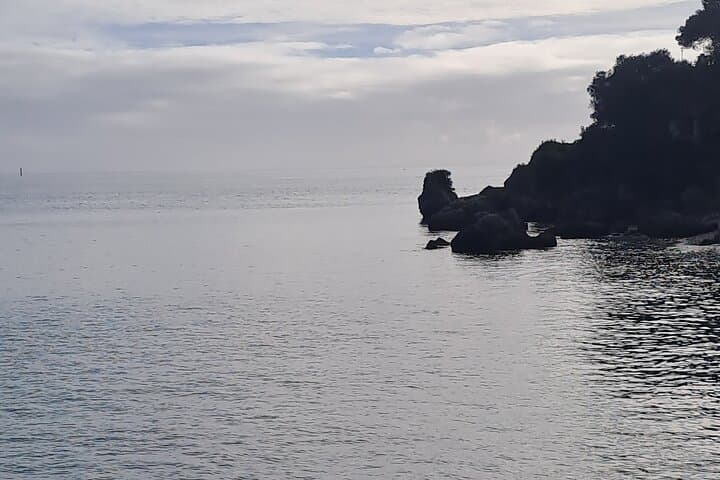
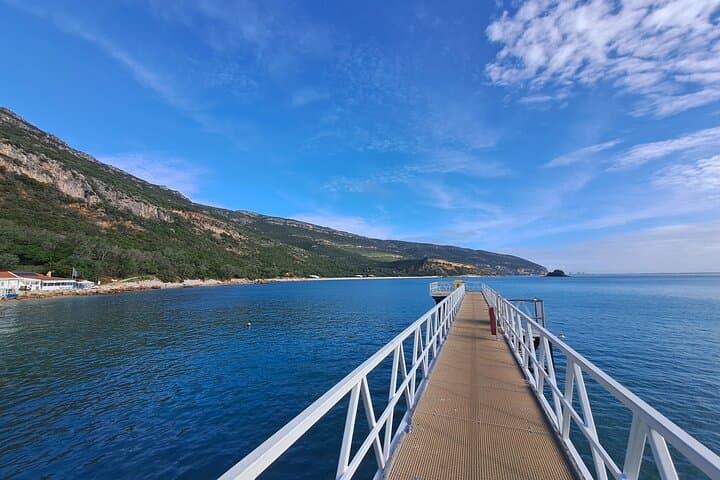
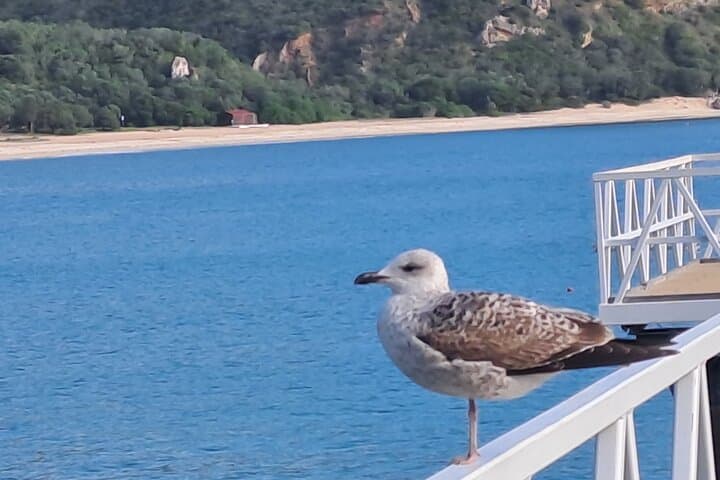
Morning light softens the limestone cliffs as the van motors south from Lisbon toward the Sado estuary; salt and pine press at the windows and the Serra da Arrábida unfolds like a coastal rampart. You begin in Setúbal’s mercado, where fishermen still unload anchovies and the call of gulls competes with vendors sharpening knives. From there the route climbs, stopping at rocky overlooks that frame the Atlantic—clear bays and steep, pale cliffs carved by wind and sea.
Verified experiences and guided adventures in the surrounding area.
Operated by DISCOVERIESPORTUGALTOURS · Setúbal, Setúbal District
Morning light softens the limestone cliffs as the van motors south from Lisbon toward the Sado estuary; salt and pine press at the windows and the Serra da Arrábida unfolds like a coastal rampart. You begin in Setúbal’s mercado, where fishermen still unload anchovies and the call of gulls competes with vendors sharpening knives. From there the route climbs, stopping at rocky overlooks that frame the Atlantic—clear bays and steep, pale cliffs carved by wind and sea.
Geology here is immediate: Jurassic limestones and karst ridges form narrow ridgelines and sheltered coves, while soils around Palmela and Azeitão feed the sweet Moscatel grapes that made the region famous. Culture is tactile—tile ateliers, small family quintas, and Palmela Castle’s medieval walls speak to centuries of maritime trade and viniculture.
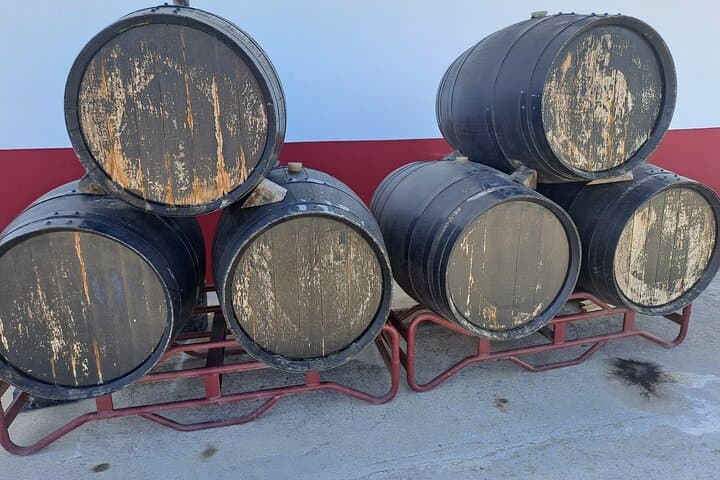
The tour trades long hikes for short walks and panoramic stops: expect 5–10 minute cliff viewpoints, a visit to a modest Moscatel farmhouse for a guided tasting, the Setúbal fish market, and a photo stop at the fortress. Guides typically explain grape aging, local gastronomy and the role of the Sado estuary in shaping fisheries.
Practical edge: wear grippy shoes for uneven paths, bring sun protection and a refillable bottle, and plan for a 9‑hour day with easy-to-moderate walking. Respect private vineyards and keep to marked paths—Arrábida is a protected natural park, and small gestures help keep it that way.
moderate.
9 hours.
Moderate—able to walk short distances on uneven ground and stand during tastings
Yes—this is a private tour that includes pickup and drop‑off in central Lisbon (Marquês de Pombal) with an air‑conditioned vehicle and onboard Wi‑Fi.
Yes—you visit a small Moscatel-producing quinta for a guided tasting that typically features several varieties and production insights.
The tour involves short walks and some standing; it’s family‑friendly but not recommended for those with serious back, heart, or mobility issues.
Full refund available if cancelled at least 24 hours before the scheduled departure; check your booking for specifics.
The Setúbal‑Arrábida area has a long maritime and vinicultural history—Moscatel production around Azeitão and Palmela dates back centuries and Palmela Castle marks medieval strategic importance.
Much of Serra da Arrábida is protected; visitors should stick to trails, avoid disturbing vineyards and nesting birds, and minimize waste to preserve fragile coastal habitats.
DISCOVERIESPORTUGALTOURS operates guided outdoor trips and adventures with an emphasis on safety, stewardship, and memorable experiences.
Morning light softens the limestone cliffs as the van motors south from Lisbon toward the Sado estuary; salt and pine press at the windows and the Serra da Arrábida unfolds like a coastal rampart. You begin in Setúbal’s mercado, where fishermen still unload anchovies and the call of gulls competes with vendors sharpening knives. From there the route climbs, stopping at rocky overlooks that frame the Atlantic—clear bays and steep, pale cliffs carved by wind and sea.
Morning light softens the limestone cliffs as the van motors south from Lisbon toward the Sado estuary; salt and pine press at the windows and the Serra da Arrábida unfolds like a coastal rampart. You begin in Setúbal’s mercado, where fishermen still unload anchovies and the call of gulls competes with vendors sharpening knives. From there the route climbs, stopping at rocky overlooks that frame the Atlantic—clear bays and steep, pale cliffs carved by wind and sea.
Geology here is immediate: Jurassic limestones and karst ridges form narrow ridgelines and sheltered coves, while soils around Palmela and Azeitão feed the sweet Moscatel grapes that made the region famous. Culture is tactile—tile ateliers, small family quintas, and Palmela Castle’s medieval walls speak to centuries of maritime trade and viniculture.
The tour trades long hikes for short walks and panoramic stops: expect 5–10 minute cliff viewpoints, a visit to a modest Moscatel farmhouse for a guided tasting, the Setúbal fish market, and a photo stop at the fortress. Guides typically explain grape aging, local gastronomy and the role of the Sado estuary in shaping fisheries.
Practical edge: wear grippy shoes for uneven paths, bring sun protection and a refillable bottle, and plan for a 9‑hour day with easy-to-moderate walking. Respect private vineyards and keep to marked paths—Arrábida is a protected natural park, and small gestures help keep it that way.