THE ADVENTURE COLLECTIVE® · Independent discovery and booking for outdoor travel

Cross the Tagus and spend a day tracing Arrábida’s limestone ridges, tasting Azeitão Moscatel, and eating seafood in Setúbal. This private day tour blends coastal viewpoints, village crafts, and a hilltop castle with easy walking and panoramic stops.
Cross the Tagus and spend a day tracing Arrábida’s limestone ridges, tasting Azeitão Moscatel, and eating seafood in Setúbal. This private day tour blends coastal viewpoints, village crafts, and a hilltop castle with easy walking and panoramic stops.
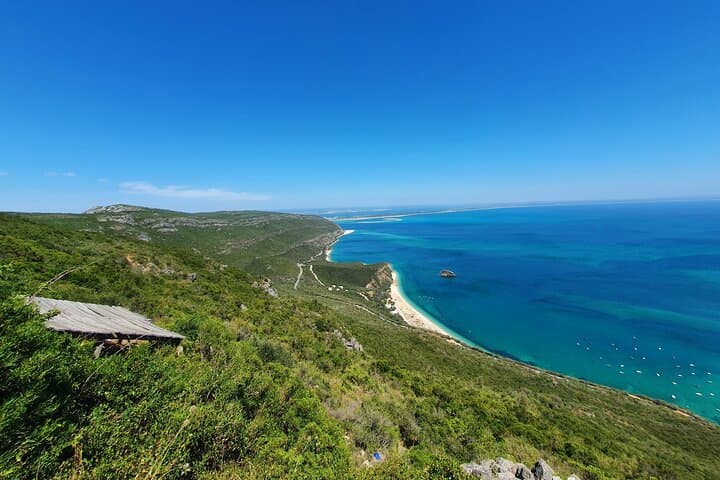
A private minivan crosses the Tagus and the 25 de Abril bridge just after sunrise, Lisbon shrinking behind concrete and river. Cristo Rei watches the city from the opposite bank while the road curves south toward Azeitão and the green ridges of Arrábida Natural Park. The sea shows itself in sudden flashes of turquoise; cliffs lean toward the Atlantic as if daring drivers to stop and look.
Verified experiences and guided adventures in the surrounding area.
Operated by LusoXperience · Setúbal, Lisboa
A private minivan crosses the Tagus and the 25 de Abril bridge just after sunrise, Lisbon shrinking behind concrete and river. Cristo Rei watches the city from the opposite bank while the road curves south toward Azeitão and the green ridges of Arrábida Natural Park. The sea shows itself in sudden flashes of turquoise; cliffs lean toward the Atlantic as if daring drivers to stop and look.
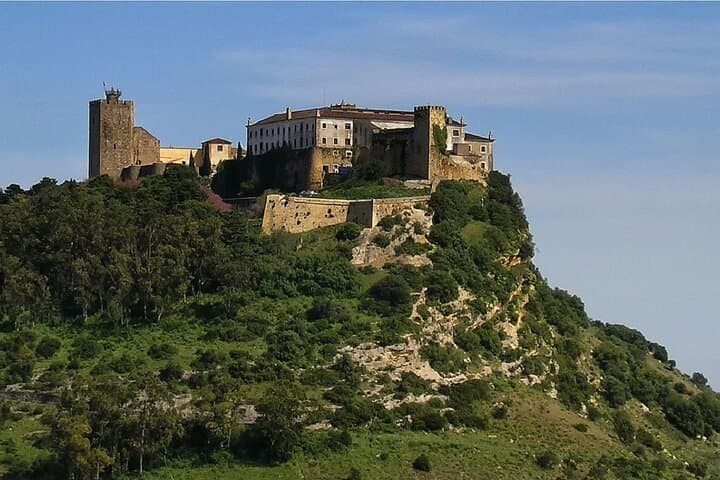
The region has Roman and Moorish traces, medieval strongholds such as Palmela Castle, and a long tradition of fishing in Setúbal. Geologically, Arrábida’s limestone and clay create steep headlands and sheltered bays; that mix gives the water its clear, aquamarine tone and supports vineyards clinging to gentle hillsides where Moscatel ripens in the warm, maritime air.
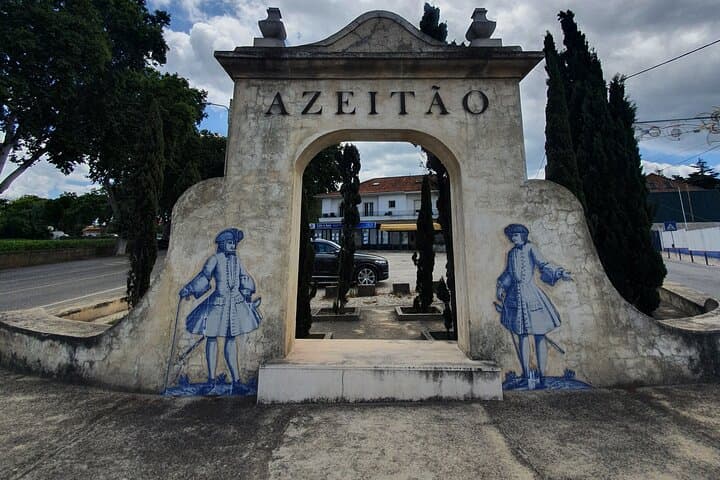
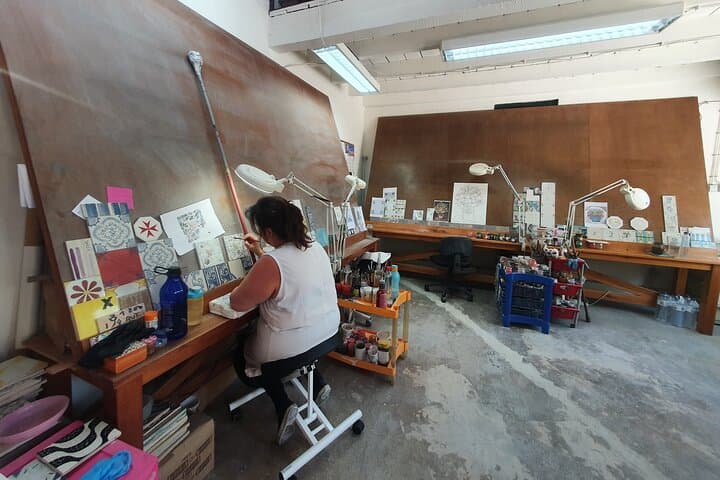
A tasting in Azeitão pairs local cheese and sweets with fortified Moscatel; a tile workshop demonstrates a craft that shaped Portuguese interiors for centuries. In Setúbal, fishermen still land sea bream and cuttlefish along the wharf, and lunch centers on simply grilled fish.
Practically, this is a low-effort day framed by short walks and multiple roadside viewpoints. Expect tarmac mountain roads and a few short cobbled streets in villages. Bring sun protection, a light wind layer for cliff-top exposure, and comfortable shoes for cellar stairs and shoreline strolls. Timing matters: afternoons in summer are busier at viewpoints and beaches; early departures make the most of quieter roads and cooler tasting rooms. The route is private and flexible—ideal for travelers who want a paced introduction to Setúbal's coast, wine, and coastal geology.
easy.
8 hours.
Light activity; suitable for most fitness levels with short walks and standing during tastings.
Pick-up is offered at hotels or apartments in Lisbon with drop-off back in the city at the end of the day.
The itinerary offers guided visits and tastings at selected wine cellars; confirm which tastings are included when booking.
Yes—infants and small children can use strollers and infant seats are available; walking requirements are minimal.
This is a private tour, so stops such as Palmela Castle or an extra wine visit can often be adjusted based on preferences and timing.
Palmela Castle dominates the peninsula and reflects medieval defensive lines; Azeitão’s wine tradition dates to monastic and noble estates that shaped local agriculture.
Arrábida is a protected natural park—stay on designated roads and trails, avoid disturbing vegetation on cliffs, and follow local guidelines to limit plastic and waste.
LusoXperience operates guided outdoor trips and adventures with an emphasis on safety, stewardship, and memorable experiences.
A private minivan crosses the Tagus and the 25 de Abril bridge just after sunrise, Lisbon shrinking behind concrete and river. Cristo Rei watches the city from the opposite bank while the road curves south toward Azeitão and the green ridges of Arrábida Natural Park. The sea shows itself in sudden flashes of turquoise; cliffs lean toward the Atlantic as if daring drivers to stop and look.
A private minivan crosses the Tagus and the 25 de Abril bridge just after sunrise, Lisbon shrinking behind concrete and river. Cristo Rei watches the city from the opposite bank while the road curves south toward Azeitão and the green ridges of Arrábida Natural Park. The sea shows itself in sudden flashes of turquoise; cliffs lean toward the Atlantic as if daring drivers to stop and look.
The region has Roman and Moorish traces, medieval strongholds such as Palmela Castle, and a long tradition of fishing in Setúbal. Geologically, Arrábida’s limestone and clay create steep headlands and sheltered bays; that mix gives the water its clear, aquamarine tone and supports vineyards clinging to gentle hillsides where Moscatel ripens in the warm, maritime air.
A tasting in Azeitão pairs local cheese and sweets with fortified Moscatel; a tile workshop demonstrates a craft that shaped Portuguese interiors for centuries. In Setúbal, fishermen still land sea bream and cuttlefish along the wharf, and lunch centers on simply grilled fish.
Practically, this is a low-effort day framed by short walks and multiple roadside viewpoints. Expect tarmac mountain roads and a few short cobbled streets in villages. Bring sun protection, a light wind layer for cliff-top exposure, and comfortable shoes for cellar stairs and shoreline strolls. Timing matters: afternoons in summer are busier at viewpoints and beaches; early departures make the most of quieter roads and cooler tasting rooms. The route is private and flexible—ideal for travelers who want a paced introduction to Setúbal's coast, wine, and coastal geology.