THE ADVENTURE COLLECTIVE® · Independent discovery and booking for outdoor travel

Spend a day touring the Giza Plateau and Saqqara with a private guide — see the Great Pyramids, the Sphinx, and Egypt’s oldest pyramid at Saqqara while learning the construction, culture, and practicalities of visiting these ancient sites.
Spend a day touring the Giza Plateau and Saqqara with a private guide — see the Great Pyramids, the Sphinx, and Egypt’s oldest pyramid at Saqqara while learning the construction, culture, and practicalities of visiting these ancient sites.
You step from an air-conditioned vehicle into the dry, mineral air of the Giza Plateau; the sun hits the worn limestone and the three pyramids loom like quarry-cut mountains that have kept their watch for millennia.
Verified experiences and guided adventures in the surrounding area.
Operated by Lazem Egyptian tour guide · Cairo, Cairo Governorate
You step from an air-conditioned vehicle into the dry, mineral air of the Giza Plateau; the sun hits the worn limestone and the three pyramids loom like quarry-cut mountains that have kept their watch for millennia.
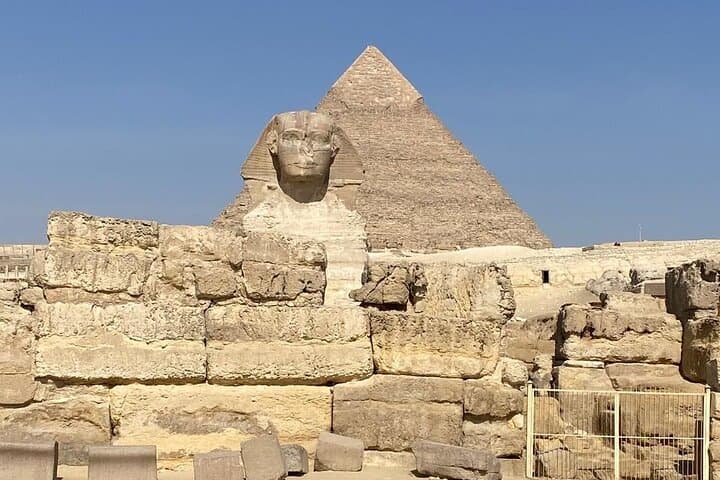
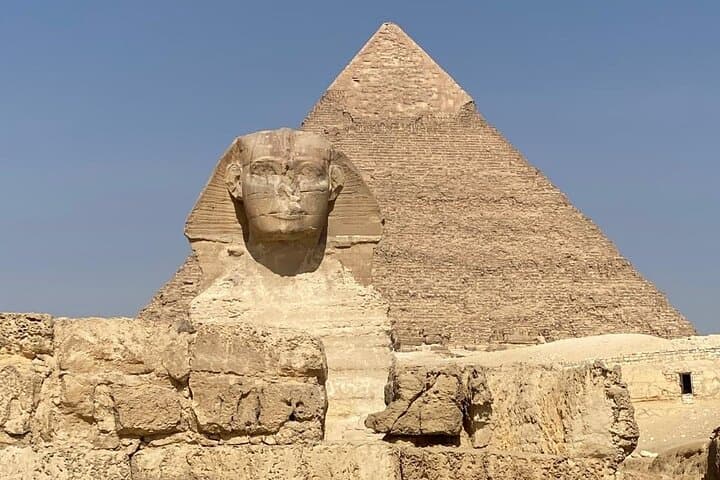
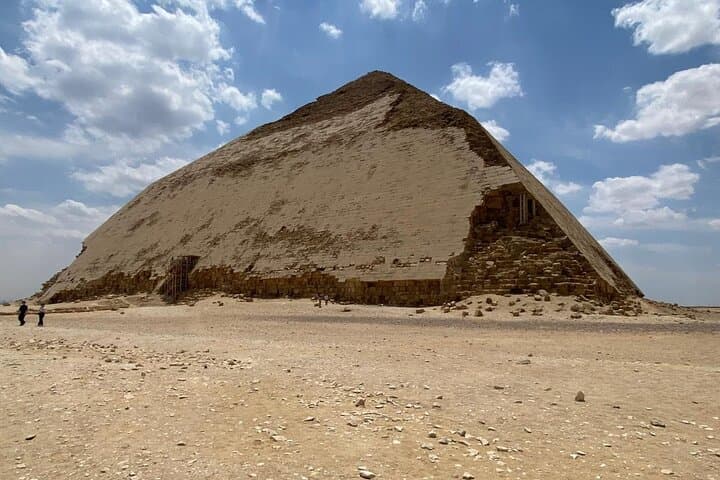
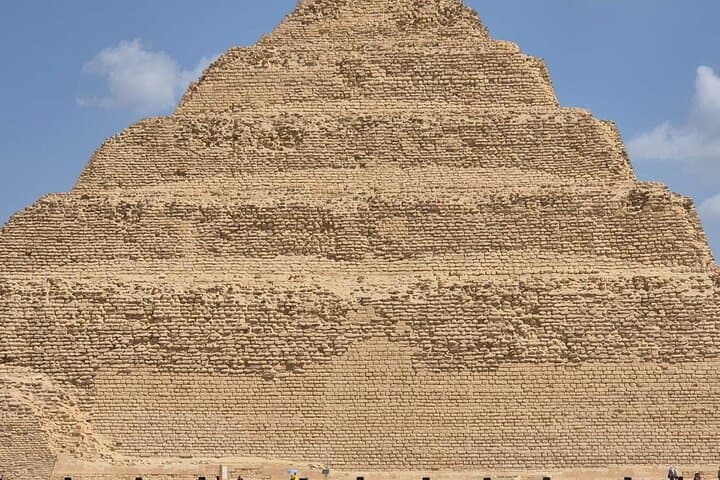
Start with the Great Pyramid of Khufu — its scale hushes conversation — then move to Khafre and Menkaure as a private guide lays out measurements, construction methods, and the social order that created them. The Sphinx, weathered and wind-scored, seems to study the city that spreads east toward the Nile. Later you drive south to Saqqara, where the Step Pyramid of Djoser rises in stacked collars of stone, an architectural first that predates Giza by centuries and marks the shift from mastaba tombs to monumental stone.
Geology here is simple and brutal: Eocene limestone beds quarried in situ, wind polishing faces and sand abrading relief. Culturally, these complexes reflect ancient Egyptian beliefs in afterlife and state power; Imhotep's innovations at Saqqara mark a turning point in design.
Practical note: traffic between sites can add 30–60 minutes; bring sun protection, a reusable water bottle, and comfortable, dust-resistant shoes. Expect 6–8 hours on a private itinerary that includes guided entrance time, bottled water, snacks, and lunch. Photography is allowed in most open areas but follow your guide around restricted zones and do not climb structures.
This day tour pairs history with straightforward logistics: plan to move slowly around key monuments, prioritize shade breaks in the midday heat, and carry local-currency small bills for tips and incidental purchases.
easy.
8 hours.
Basic mobility required: walking on uneven stone, short stair sections, and standing during presentations; suitable for most reasonably fit travelers.
Yes — entrance fees for the Giza Plateau and Saqqara are included in the tour price as listed in the inclusions.
Private pickup is typically offered from central Cairo hotels or agreed meeting points; confirm your pickup point at booking.
Photography is allowed at most outdoor sites but tripods and drones are often restricted and require permits — follow your guide and local rules.
The tour involves uneven terrain and stair sections; it's marked not recommended for travelers with spinal, severe cardiovascular conditions, or pregnancy.
The Giza pyramids date to Egypt’s Fourth Dynasty (c. 2600–2500 BCE); the Step Pyramid at Saqqara (Djoser) predates them and was designed by Imhotep in the 27th century BCE.
High visitor numbers and urban pollution stress these monuments; stick to marked paths, avoid touching carved stone, and support licensed guides and entry systems that fund preservation.
Lazem Egyptian tour guide operates guided outdoor trips and adventures with an emphasis on safety, stewardship, and memorable experiences.
You step from an air-conditioned vehicle into the dry, mineral air of the Giza Plateau; the sun hits the worn limestone and the three pyramids loom like quarry-cut mountains that have kept their watch for millennia.
You step from an air-conditioned vehicle into the dry, mineral air of the Giza Plateau; the sun hits the worn limestone and the three pyramids loom like quarry-cut mountains that have kept their watch for millennia.
Start with the Great Pyramid of Khufu — its scale hushes conversation — then move to Khafre and Menkaure as a private guide lays out measurements, construction methods, and the social order that created them. The Sphinx, weathered and wind-scored, seems to study the city that spreads east toward the Nile. Later you drive south to Saqqara, where the Step Pyramid of Djoser rises in stacked collars of stone, an architectural first that predates Giza by centuries and marks the shift from mastaba tombs to monumental stone.
Geology here is simple and brutal: Eocene limestone beds quarried in situ, wind polishing faces and sand abrading relief. Culturally, these complexes reflect ancient Egyptian beliefs in afterlife and state power; Imhotep's innovations at Saqqara mark a turning point in design.
Practical note: traffic between sites can add 30–60 minutes; bring sun protection, a reusable water bottle, and comfortable, dust-resistant shoes. Expect 6–8 hours on a private itinerary that includes guided entrance time, bottled water, snacks, and lunch. Photography is allowed in most open areas but follow your guide around restricted zones and do not climb structures.
This day tour pairs history with straightforward logistics: plan to move slowly around key monuments, prioritize shade breaks in the midday heat, and carry local-currency small bills for tips and incidental purchases.