THE ADVENTURE COLLECTIVE® · Independent discovery and booking for outdoor travel

Learn phin technique, small-batch roasting basics, and the cultural context behind Vietnam’s coffee in a focused 2.5-hour workshop. Perfect for travelers who want a hands-on, sensory introduction to Vietnamese brews.
Learn phin technique, small-batch roasting basics, and the cultural context behind Vietnam’s coffee in a focused 2.5-hour workshop. Perfect for travelers who want a hands-on, sensory introduction to Vietnamese brews.
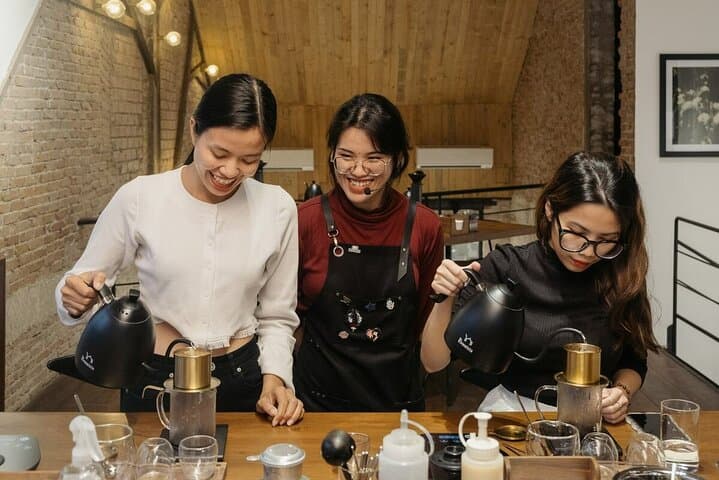
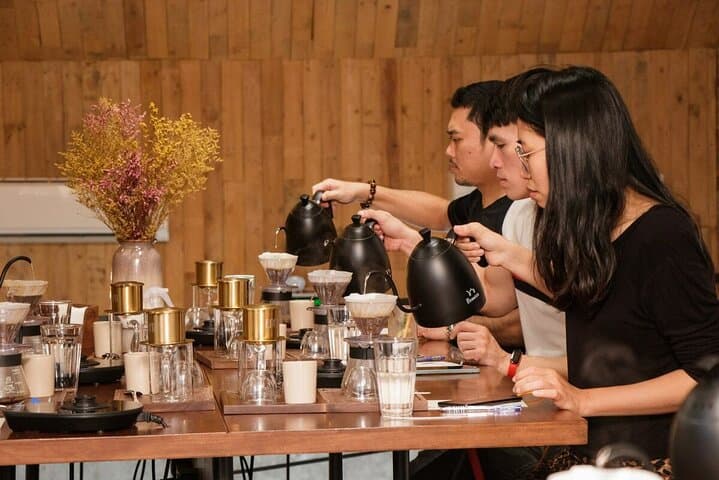
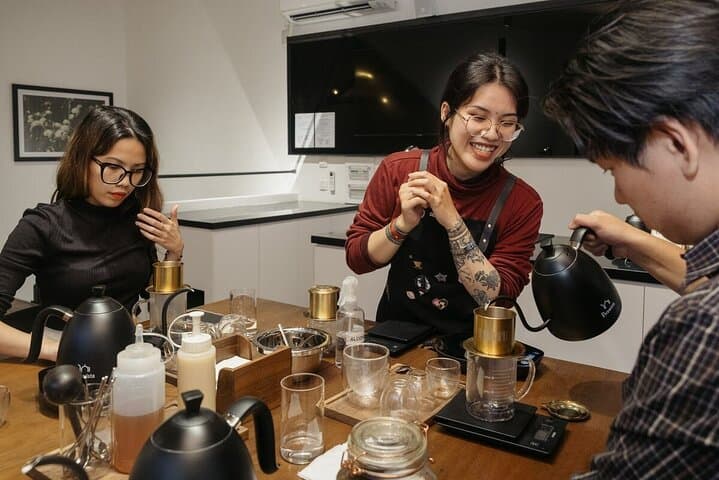
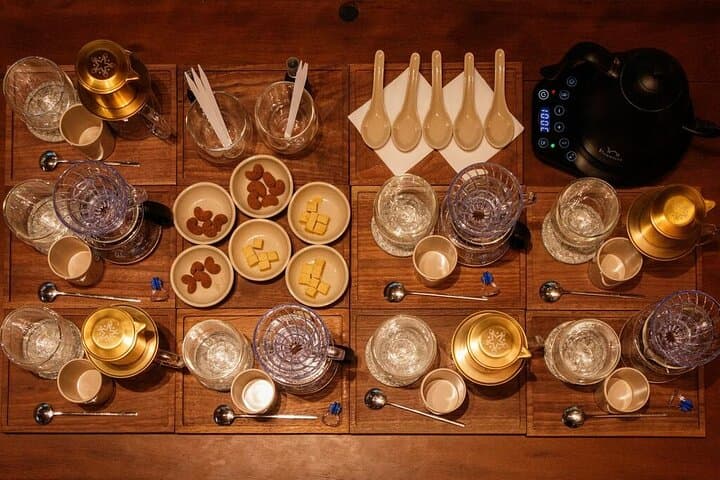
You step into a compact workshop where steam and roasted oils hang in the air, the sharp metallic click of a phin punctuating conversation. Cups are lined up like instruments; a Coffee Specialist moves between a small roaster and a table of beans, inviting you to listen to coffee’s story through smell and method.
Verified experiences and guided adventures in the surrounding area.
Operated by Vietnam Private Transfers · Ho Chi Minh City, Ho Chi Minh
You step into a compact workshop where steam and roasted oils hang in the air, the sharp metallic click of a phin punctuating conversation. Cups are lined up like instruments; a Coffee Specialist moves between a small roaster and a table of beans, inviting you to listen to coffee’s story through smell and method.
Vietnam’s coffee scene traces to French colonial planters in the 19th century and later to the Central Highlands, where basalt soils and a monsoon climate made room for Robusta’s dominance. Today Vietnamese coffee is both street ritual and export engine — from café-sữa-đá vendors to small-batch roasters experimenting with single-origin beans.
Expect a 2.5-hour session that pairs hands-on brewing with tasting and short demonstrations: phin filter techniques, simple roasting notes, and mung-bean cake or other local snacks to offset the bitterness. The tone is practical — you’ll learn grind size, bloom timing, and how condensed milk changes perception of acidity — while also getting cultural context about how coffee fits daily life in Ho Chi Minh City.
Practically, the class is low-impact and accessible: arrive with an appetite for tasting, a camera if you like process shots, and any dietary notes for the host. Wear comfortable street shoes if the workshop includes a brief market or ingredient display. Public transit and ride apps serve the central districts well; bring local cash for transport and tipping.
This is a sensory primer — equal parts technique and local insight — ideal for travelers wanting a compact, tactile introduction to Vietnam’s singular coffee identity.
easy.
2–3 hours.
No special fitness required; suitable for most travelers who can stand and taste for a couple of hours
The program runs about 2.5 hours and combines demonstrations with hands-on brewing and tasting.
Children can attend but check with the operator about age guidelines; it's a low-impact activity but includes hot liquids.
Expect a short small-batch roasting demonstration plus focused instruction on phin and other local brewing methods.
Language support varies by operator; confirm the session language before booking if you require translation.
Coffee arrived in Vietnam under French colonists and expanded in the 20th century with large-scale Robusta cultivation in the Central Highlands.
Look for workshops that source beans from traceable or cooperative producers; reducing single-use cups and choosing small-batch roasters helps lower waste.
Vietnam Private Transfers operates guided outdoor trips and adventures with an emphasis on safety, stewardship, and memorable experiences.
You step into a compact workshop where steam and roasted oils hang in the air, the sharp metallic click of a phin punctuating conversation. Cups are lined up like instruments; a Coffee Specialist moves between a small roaster and a table of beans, inviting you to listen to coffee’s story through smell and method.
You step into a compact workshop where steam and roasted oils hang in the air, the sharp metallic click of a phin punctuating conversation. Cups are lined up like instruments; a Coffee Specialist moves between a small roaster and a table of beans, inviting you to listen to coffee’s story through smell and method.
Vietnam’s coffee scene traces to French colonial planters in the 19th century and later to the Central Highlands, where basalt soils and a monsoon climate made room for Robusta’s dominance. Today Vietnamese coffee is both street ritual and export engine — from café-sữa-đá vendors to small-batch roasters experimenting with single-origin beans.
Expect a 2.5-hour session that pairs hands-on brewing with tasting and short demonstrations: phin filter techniques, simple roasting notes, and mung-bean cake or other local snacks to offset the bitterness. The tone is practical — you’ll learn grind size, bloom timing, and how condensed milk changes perception of acidity — while also getting cultural context about how coffee fits daily life in Ho Chi Minh City.
Practically, the class is low-impact and accessible: arrive with an appetite for tasting, a camera if you like process shots, and any dietary notes for the host. Wear comfortable street shoes if the workshop includes a brief market or ingredient display. Public transit and ride apps serve the central districts well; bring local cash for transport and tipping.
This is a sensory primer — equal parts technique and local insight — ideal for travelers wanting a compact, tactile introduction to Vietnam’s singular coffee identity.