THE ADVENTURE COLLECTIVE® · Independent discovery and booking for outdoor travel

Gain entry and transport to Tirana’s Armed Forces Museum for a focused, two-hour look at Albania’s military past. This accessible, self-guided visit reveals how geography and ideology shaped the country’s defensive strategies.
Gain entry and transport to Tirana’s Armed Forces Museum for a focused, two-hour look at Albania’s military past. This accessible, self-guided visit reveals how geography and ideology shaped the country’s defensive strategies.
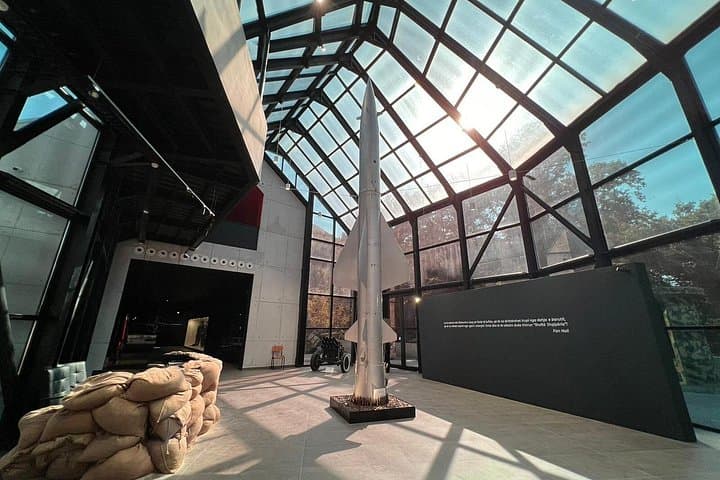
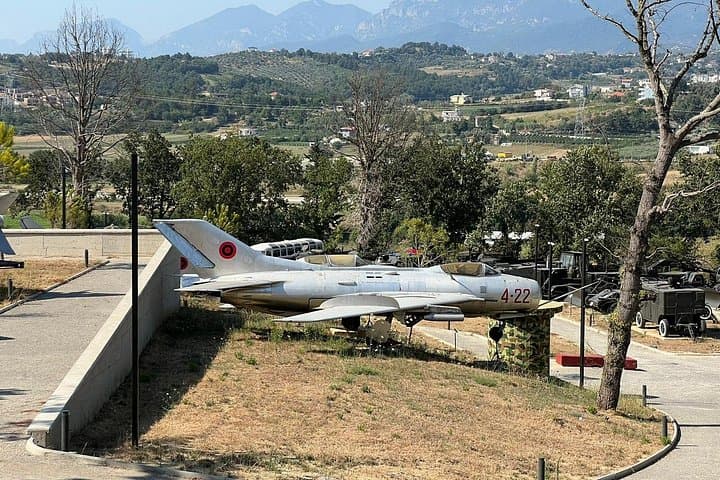
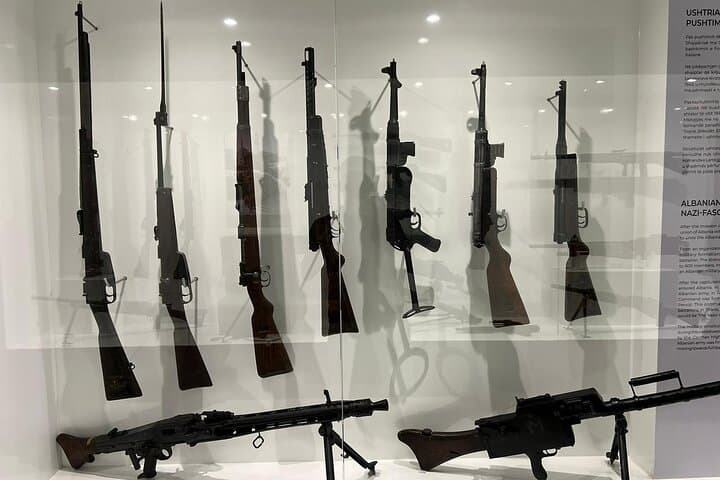
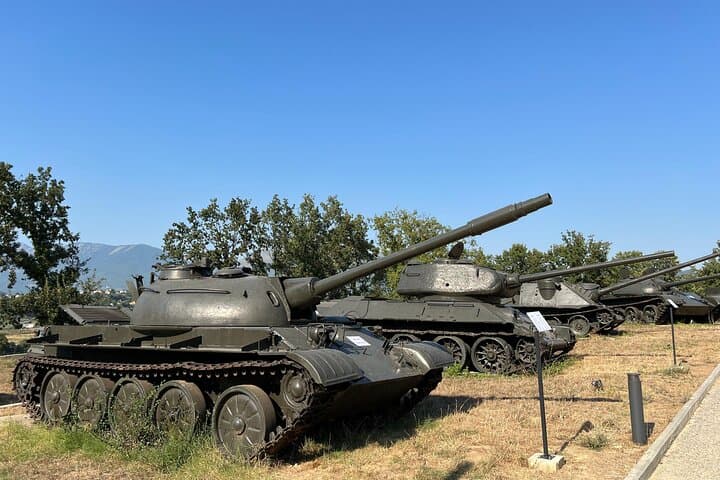
You step off the minivan onto a broad, concrete plaza that still smells faintly of diesel and limestone dust. The Armed Forces Museum in Tirana fills a low, functional building with rows of uniforms, artillery pieces and archival photographs that feel less curated for spectacle and more arranged as evidence.
Verified experiences and guided adventures in the surrounding area.
Operated by Discover Albania · Tirana, Tirana
You step off the minivan onto a broad, concrete plaza that still smells faintly of diesel and limestone dust. The Armed Forces Museum in Tirana fills a low, functional building with rows of uniforms, artillery pieces and archival photographs that feel less curated for spectacle and more arranged as evidence.
The museum traces Albania’s 20th-century military arc: from interwar formations to the isolationist communist buildup under Enver Hoxha. Exhibits emphasize strategy, domestic mobilization and the communist-era obsession with defense—thousands of bunkers pepper the countryside, a visible legacy of the doctrine showcased here. Geology and terrain mattered: Albania’s rugged mountains and Adriatic coastline shaped defensive thinking and equipment choices; maps in the displays make that plain.
Culturally, the museum is a window into how memory and identity were constructed under one-party rule—propaganda posters, official citations and personal letters sit side by side. Outside, Tirana’s rapid urban churn offers a contrast: cafés and markets a short walk away reflect a city reorienting from isolation to openness.
Practically, the experience is a two-hour, wheelchair-accessible visit with hotel pickup and drop-off included. Expect self-guided exploration through compact galleries; signage is mostly bilingual. Wear comfortable shoes for the short walks between vehicle and entrance, bring ID for the ticket, and allow time afterward to explore nearby Skanderbeg Square or the New Bazaar. Photography is generally allowed but check staff guidance for restricted exhibits. The visit rewards curious travelers who want a clear-eyed look at Albania’s military history without fuss.
easy.
2 hours.
Suitable for all fitness levels; involves short walks and standing.
Yes—round-trip transport from your accommodation in central Tirana is included as stated in the itinerary.
The scheduled duration is two hours, which covers transport and a self-guided tour through the main exhibits.
The provider lists the experience as wheelchair accessible; however, if you have specific mobility needs, confirm pickup details ahead of time.
Photography is generally allowed, but staff may restrict images of certain sensitive displays—always check signage or ask an attendant.
The museum highlights Albania’s communist-era militarization under Enver Hoxha, including the nationwide bunker program and strict defense doctrines born of political isolation.
The museum maintains static indoor exhibits with limited environmental impact; visitors can support preservation by following signage and avoiding flash photography on sensitive documents.
Discover Albania operates guided outdoor trips and adventures with an emphasis on safety, stewardship, and memorable experiences.
You step off the minivan onto a broad, concrete plaza that still smells faintly of diesel and limestone dust. The Armed Forces Museum in Tirana fills a low, functional building with rows of uniforms, artillery pieces and archival photographs that feel less curated for spectacle and more arranged as evidence.
You step off the minivan onto a broad, concrete plaza that still smells faintly of diesel and limestone dust. The Armed Forces Museum in Tirana fills a low, functional building with rows of uniforms, artillery pieces and archival photographs that feel less curated for spectacle and more arranged as evidence.
The museum traces Albania’s 20th-century military arc: from interwar formations to the isolationist communist buildup under Enver Hoxha. Exhibits emphasize strategy, domestic mobilization and the communist-era obsession with defense—thousands of bunkers pepper the countryside, a visible legacy of the doctrine showcased here. Geology and terrain mattered: Albania’s rugged mountains and Adriatic coastline shaped defensive thinking and equipment choices; maps in the displays make that plain.
Culturally, the museum is a window into how memory and identity were constructed under one-party rule—propaganda posters, official citations and personal letters sit side by side. Outside, Tirana’s rapid urban churn offers a contrast: cafés and markets a short walk away reflect a city reorienting from isolation to openness.
Practically, the experience is a two-hour, wheelchair-accessible visit with hotel pickup and drop-off included. Expect self-guided exploration through compact galleries; signage is mostly bilingual. Wear comfortable shoes for the short walks between vehicle and entrance, bring ID for the ticket, and allow time afterward to explore nearby Skanderbeg Square or the New Bazaar. Photography is generally allowed but check staff guidance for restricted exhibits. The visit rewards curious travelers who want a clear-eyed look at Albania’s military history without fuss.