THE ADVENTURE COLLECTIVE® · Independent discovery and booking for outdoor travel

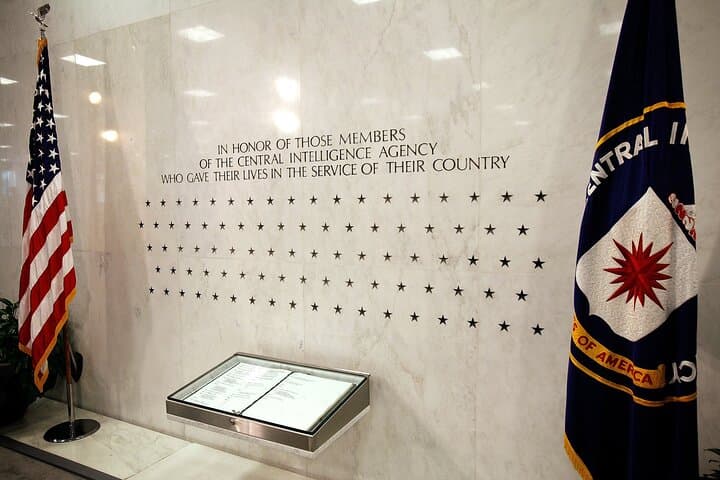
Walk Arlington’s rows of headstones with a former intelligence officer as your guide. This 2.5-hour tour links the CIA Memorial Wall with major memorials and adds firsthand context to names often seen but not understood.
Walk Arlington’s rows of headstones with a former intelligence officer as your guide. This 2.5-hour tour links the CIA Memorial Wall with major memorials and adds firsthand context to names often seen but not understood.
The walk begins outside the visitor center, where the morning light splits across rows of white headstones and oaks that have stood through a century of ceremonies. A former intelligence officer leads the group, voice measured, pointing out markers that most maps don’t fully explain — names, dates, and the quiet stories between them.
Verified experiences and guided adventures in the surrounding area.
Operated by Spyher · Arlington, Virginia
The walk begins outside the visitor center, where the morning light splits across rows of white headstones and oaks that have stood through a century of ceremonies. A former intelligence officer leads the group, voice measured, pointing out markers that most maps don’t fully explain — names, dates, and the quiet stories between them.
Arlington National Cemetery was established on the grounds of the Custis-Lee estate during the Civil War and evolved into the nation’s principal military burial ground. Geologically, the park sits on gentle Potomac River bluffs; the terrain is mostly paved paths and short, steep lawns rather than rugged trails. Culturally, the site is both a public memorial and a place of private grief, with memorials spanning from the Tomb of the Unknown Soldier to modern plaques honoring intelligence personnel.
Expect a paced, 2.5-hour walking tour that blends biography with ceremony: the CIA Memorial Wall names, the Kennedy gravesite, the Beirut Barracks Memorial and the Tomb—all put into context by a guide with firsthand experience in national security. The guide’s background adds perspective on the risks and consequences behind the markers.
Practical guidance: bring government-issued ID for security screening, wear comfortable shoes for paved and sloping surfaces, and plan for weather—shade is limited in several sections. Photography is permitted, but respect the solemnity and any restricted zones. Arrive early to pass through screening with minimal delay; public transit options and short rideshare drops make the visitor center accessible. This is a contemplative, historically rich walk best suited to visitors who can handle moderate, steady walking and want a deeper understanding of the human cost of service.
moderate.
2–3 hours.
Moderate walking fitness—able to stand and walk steadily for 2–3 hours with brief stops.
Yes. Security screening at the visitor center often requires a government-issued ID—bring it and keep it ready.
Infants and small children in strollers are permitted, but the guide notes the tour requires moderate walking and some standing.
Photography is generally allowed, but avoid recording private ceremonies or restricted areas and follow any instructions from the guide.
Tours may be canceled in severe weather; dress for conditions and check cancellation/refund policies if storms are forecast.
The cemetery began during the Civil War on the Custis-Lee estate and has since become the primary burial ground for U.S. military personnel and notable national figures.
Visitors are asked to stay on paths, respect gravesites, and carry out trash; the cemetery maintains strict protocols to preserve monuments and grounds.
Spyher operates guided outdoor trips and adventures with an emphasis on safety, stewardship, and memorable experiences.


The walk begins outside the visitor center, where the morning light splits across rows of white headstones and oaks that have stood through a century of ceremonies. A former intelligence officer leads the group, voice measured, pointing out markers that most maps don’t fully explain — names, dates, and the quiet stories between them.
The walk begins outside the visitor center, where the morning light splits across rows of white headstones and oaks that have stood through a century of ceremonies. A former intelligence officer leads the group, voice measured, pointing out markers that most maps don’t fully explain — names, dates, and the quiet stories between them.
Arlington National Cemetery was established on the grounds of the Custis-Lee estate during the Civil War and evolved into the nation’s principal military burial ground. Geologically, the park sits on gentle Potomac River bluffs; the terrain is mostly paved paths and short, steep lawns rather than rugged trails. Culturally, the site is both a public memorial and a place of private grief, with memorials spanning from the Tomb of the Unknown Soldier to modern plaques honoring intelligence personnel.
Expect a paced, 2.5-hour walking tour that blends biography with ceremony: the CIA Memorial Wall names, the Kennedy gravesite, the Beirut Barracks Memorial and the Tomb—all put into context by a guide with firsthand experience in national security. The guide’s background adds perspective on the risks and consequences behind the markers.
Practical guidance: bring government-issued ID for security screening, wear comfortable shoes for paved and sloping surfaces, and plan for weather—shade is limited in several sections. Photography is permitted, but respect the solemnity and any restricted zones. Arrive early to pass through screening with minimal delay; public transit options and short rideshare drops make the visitor center accessible. This is a contemplative, historically rich walk best suited to visitors who can handle moderate, steady walking and want a deeper understanding of the human cost of service.