THE ADVENTURE COLLECTIVE® · Independent discovery and booking for outdoor travel

Walk the historic E4 from Arkadi Monastery through olive-strewn ridges and archaeological remains of Eleftherna, finishing in the pottery village of Margarites. This five-hour route blends geology, history and traditional Cretan craft with coastal vistas.
Walk the historic E4 from Arkadi Monastery through olive-strewn ridges and archaeological remains of Eleftherna, finishing in the pottery village of Margarites. This five-hour route blends geology, history and traditional Cretan craft with coastal vistas.
Morning light carves the stone of Arkadi Monastery into sharp relief as hikers set off east along the E4 route, the monastery’s ochre walls watching over the trail. The path drops and rises over low ridges, opens onto plains with distant flashes of the north coast, and threads into green gullies that hold abandoned foundations and a small spring.
Verified experiences and guided adventures in the surrounding area.
Operated by Creta Trekking · Rethymno, Crete
Morning light carves the stone of Arkadi Monastery into sharp relief as hikers set off east along the E4 route, the monastery’s ochre walls watching over the trail. The path drops and rises over low ridges, opens onto plains with distant flashes of the north coast, and threads into green gullies that hold abandoned foundations and a small spring.
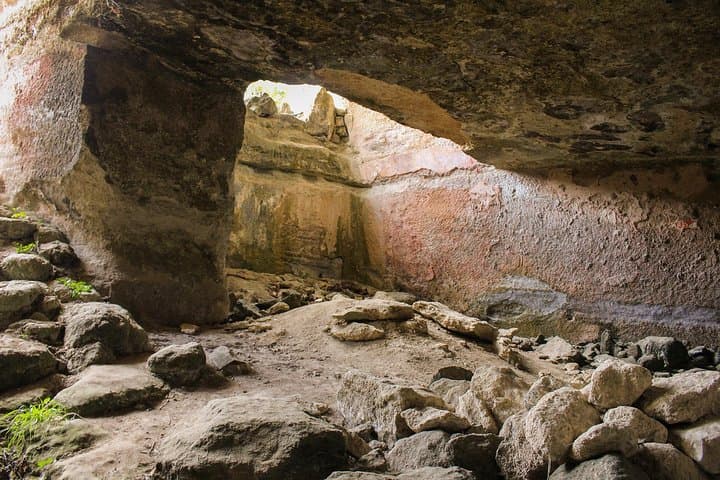
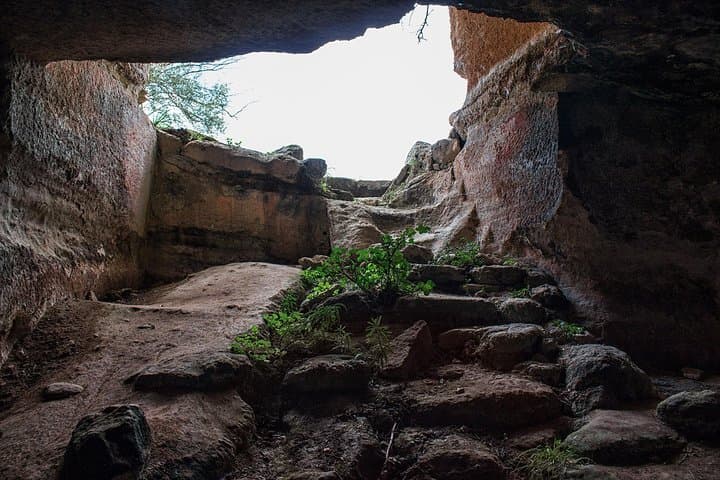
This walk stitches together layers of Cretan history: Arkadi’s role in the 1866 uprising, the archaeological footprints of ancient Eleftherna, and the pottery traditions of Margarites. Geologically the route travels the limestone foothills of central-west Crete—rocky terraces, karst gullies and scattered olive groves that hint at soil formed by limestone erosion and centuries of cultivation.
Culturally, the new Eleftherna Museum collects finds from the excavations you pass, while Margarites offers a tactile finish—pottery shops, narrow stone streets and tavernas serving local raki and slow-cooked meats.
Practical guidance: expect a roughly five-hour outing with several short climbs and drops over uneven, rocky ground—total elevation change is moderate and occurs in bursts. Trails are mostly singletrack and dirt; parts follow the marked E4. Carry at least 1.5–2 liters of water, sturdy shoes with grippy soles, sun protection and a light wind layer for coastal gusts. Trekking poles help on descents. There are fenced ruins—observe signage and avoid stepping on exposed archaeology.
Start early to avoid midday heat, plan a picnic on a ridge with coastal views, and allow time in Margarites to explore pottery workshops.
easy.
5 hours.
Suitable for most hikers with basic fitness; able to manage uneven ground and several short climbs.
The route is classified as easy—suitable for most walkers—but it includes uneven, rocky sections and several short climbs that require stable footwear.
Much of the walk follows the E4 waymarking, but signage can be sparse in places—bring a map or GPS route and pay attention at junctions.
Eleftherna offers a short break for refreshments; otherwise plan to carry water and snacks until you reach Margarites where tavernas are available.
Service animals are permitted; the trail is not suitable for wheelchairs and is not recommended for travelers with spinal, heart, or pregnancy-related restrictions as noted by providers.
Arkadi Monastery is a symbol of Cretan resistance following the 1866 uprising; nearby Eleftherna preserves layers from Archaic to Roman times.
Stick to marked paths to protect fragile archaeological sites and terraced soils; support local artisans in Margarites to keep traditional crafts economically viable.
Creta Trekking operates guided outdoor trips and adventures with an emphasis on safety, stewardship, and memorable experiences.
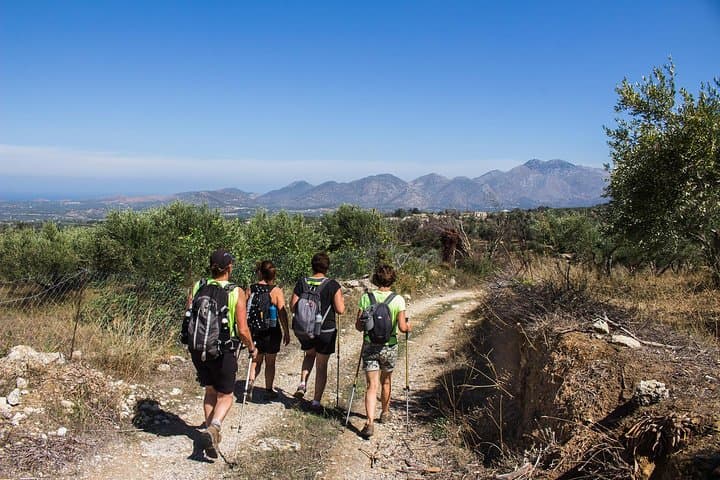
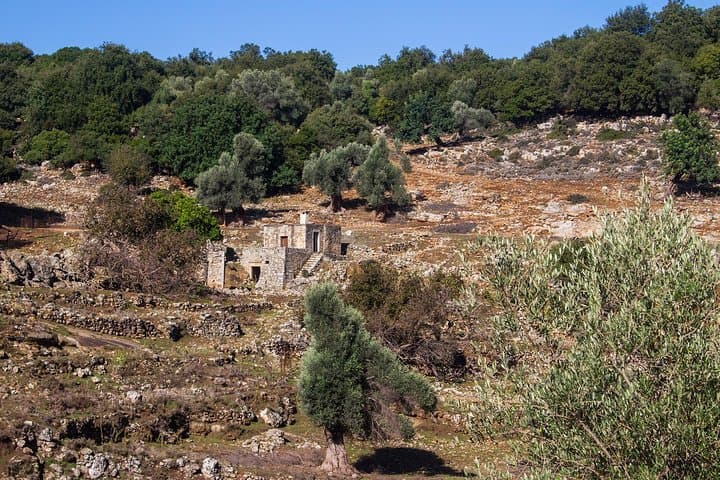
Morning light carves the stone of Arkadi Monastery into sharp relief as hikers set off east along the E4 route, the monastery’s ochre walls watching over the trail. The path drops and rises over low ridges, opens onto plains with distant flashes of the north coast, and threads into green gullies that hold abandoned foundations and a small spring.
Morning light carves the stone of Arkadi Monastery into sharp relief as hikers set off east along the E4 route, the monastery’s ochre walls watching over the trail. The path drops and rises over low ridges, opens onto plains with distant flashes of the north coast, and threads into green gullies that hold abandoned foundations and a small spring.
This walk stitches together layers of Cretan history: Arkadi’s role in the 1866 uprising, the archaeological footprints of ancient Eleftherna, and the pottery traditions of Margarites. Geologically the route travels the limestone foothills of central-west Crete—rocky terraces, karst gullies and scattered olive groves that hint at soil formed by limestone erosion and centuries of cultivation.
Culturally, the new Eleftherna Museum collects finds from the excavations you pass, while Margarites offers a tactile finish—pottery shops, narrow stone streets and tavernas serving local raki and slow-cooked meats.
Practical guidance: expect a roughly five-hour outing with several short climbs and drops over uneven, rocky ground—total elevation change is moderate and occurs in bursts. Trails are mostly singletrack and dirt; parts follow the marked E4. Carry at least 1.5–2 liters of water, sturdy shoes with grippy soles, sun protection and a light wind layer for coastal gusts. Trekking poles help on descents. There are fenced ruins—observe signage and avoid stepping on exposed archaeology.
Start early to avoid midday heat, plan a picnic on a ridge with coastal views, and allow time in Margarites to explore pottery workshops.